
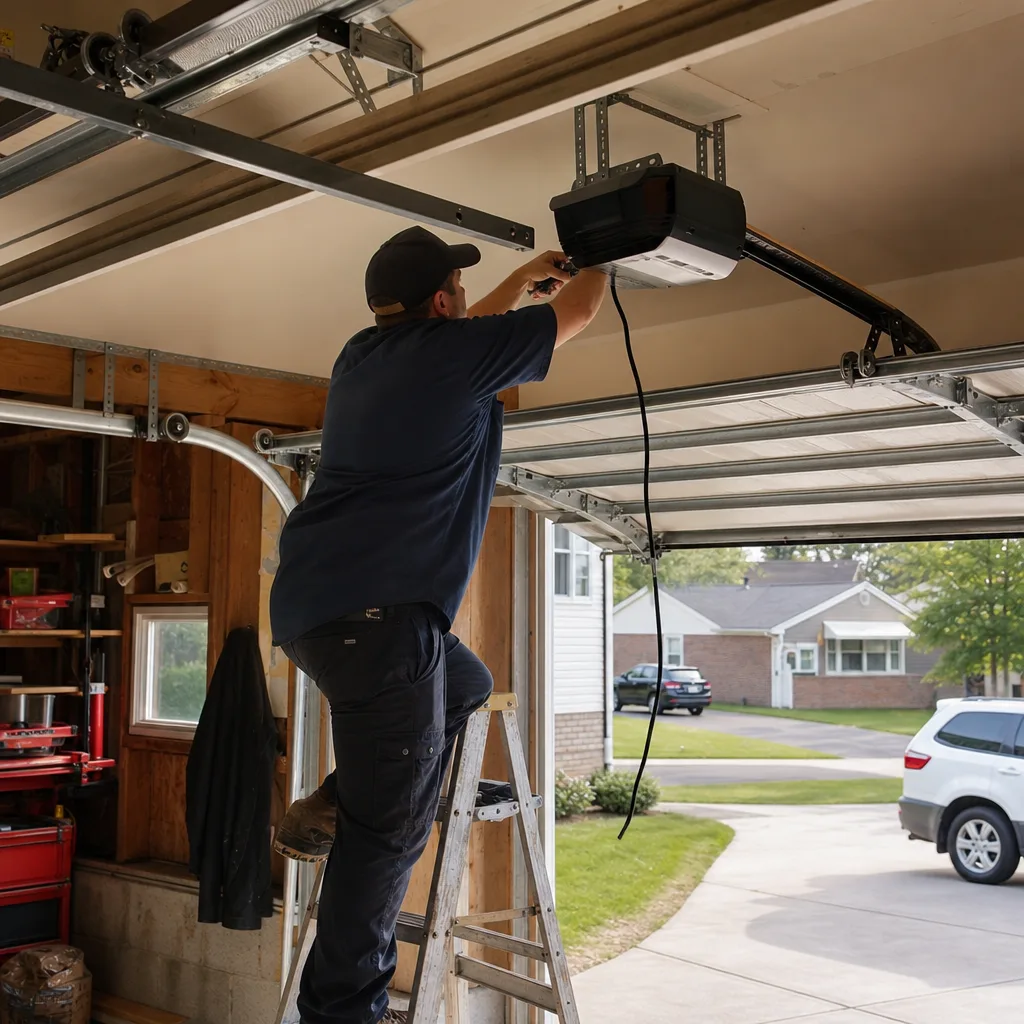
Last updated November 16, 2026
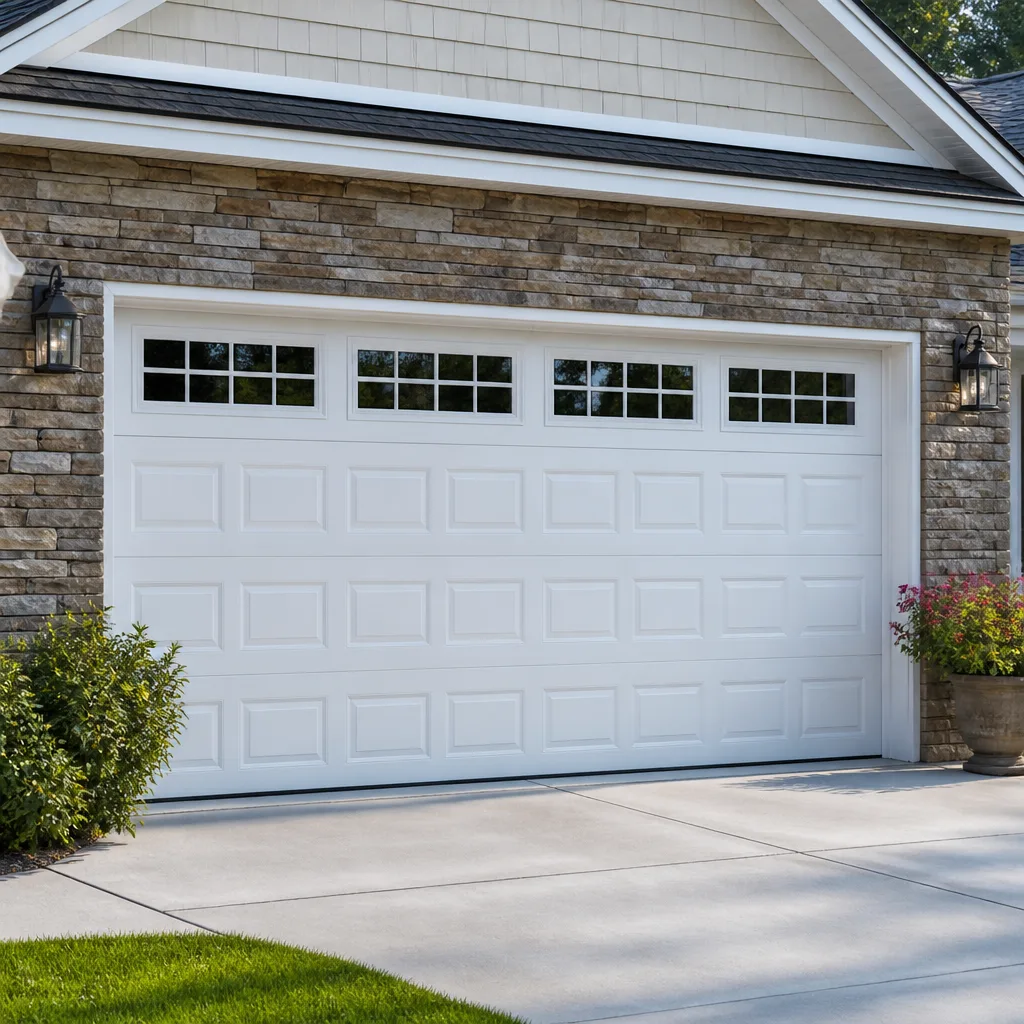 Raised-panel steel
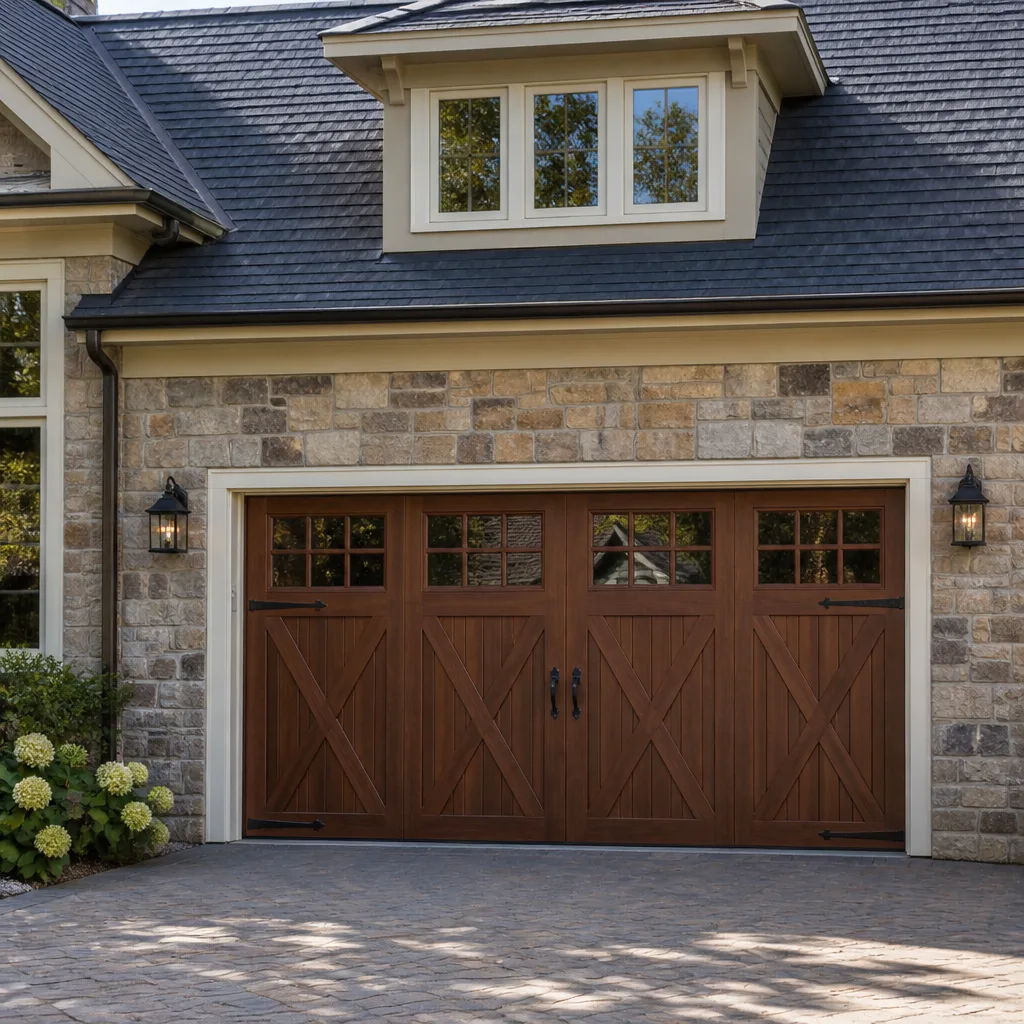 Carriage house
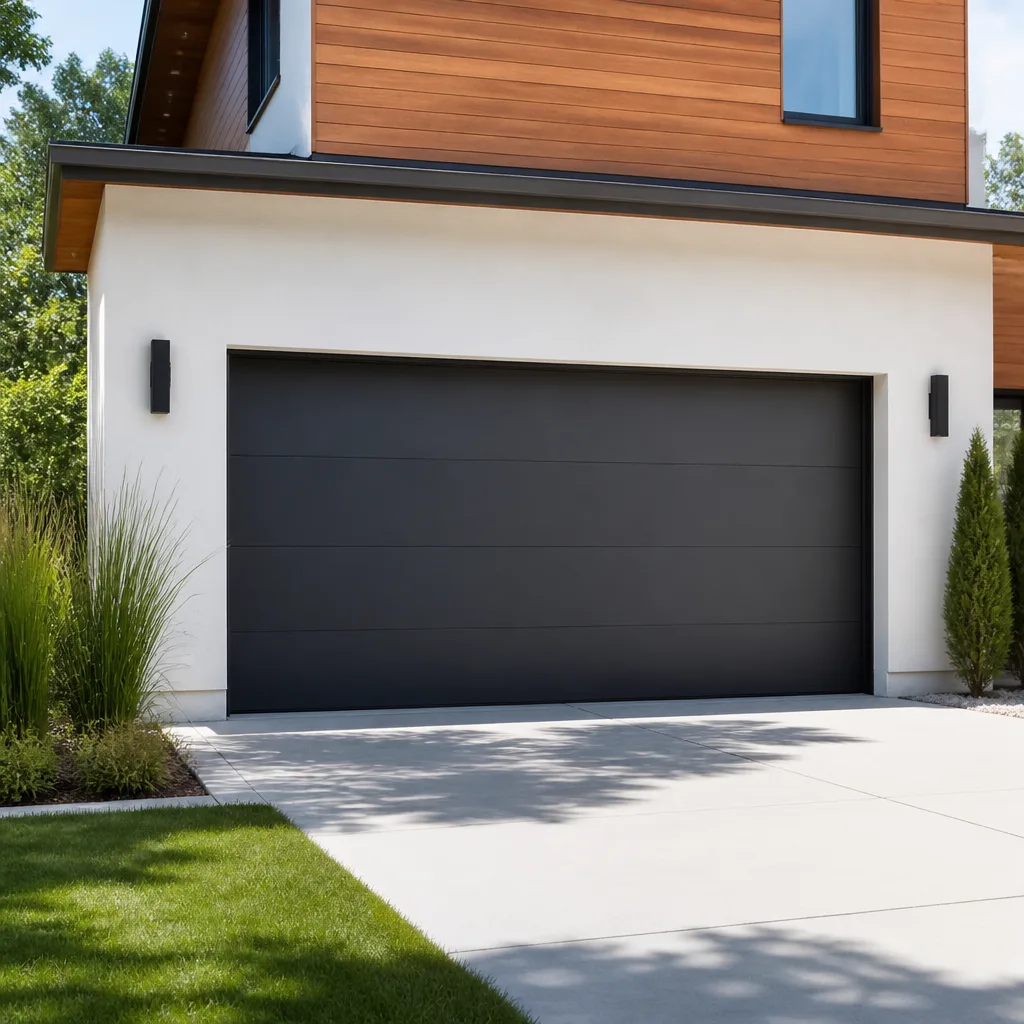 Modern flush
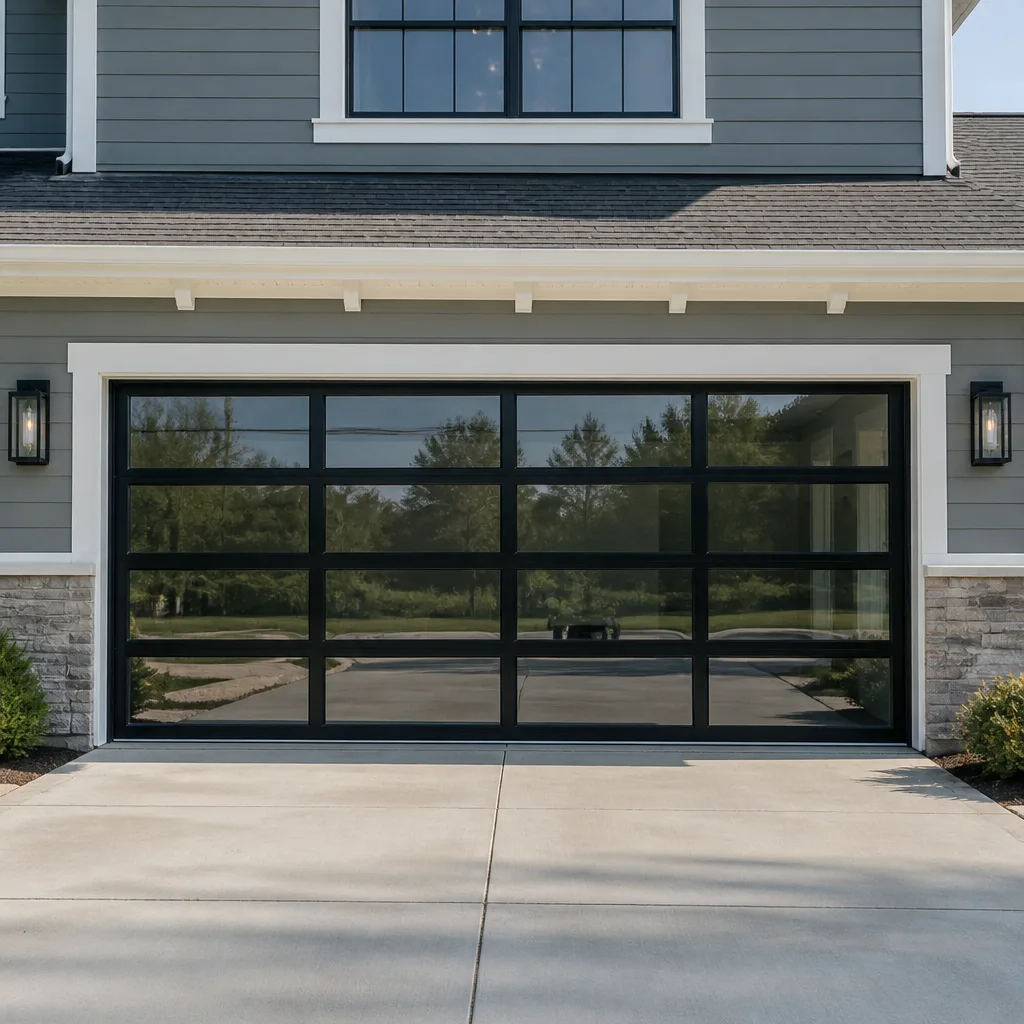 Full-view glass
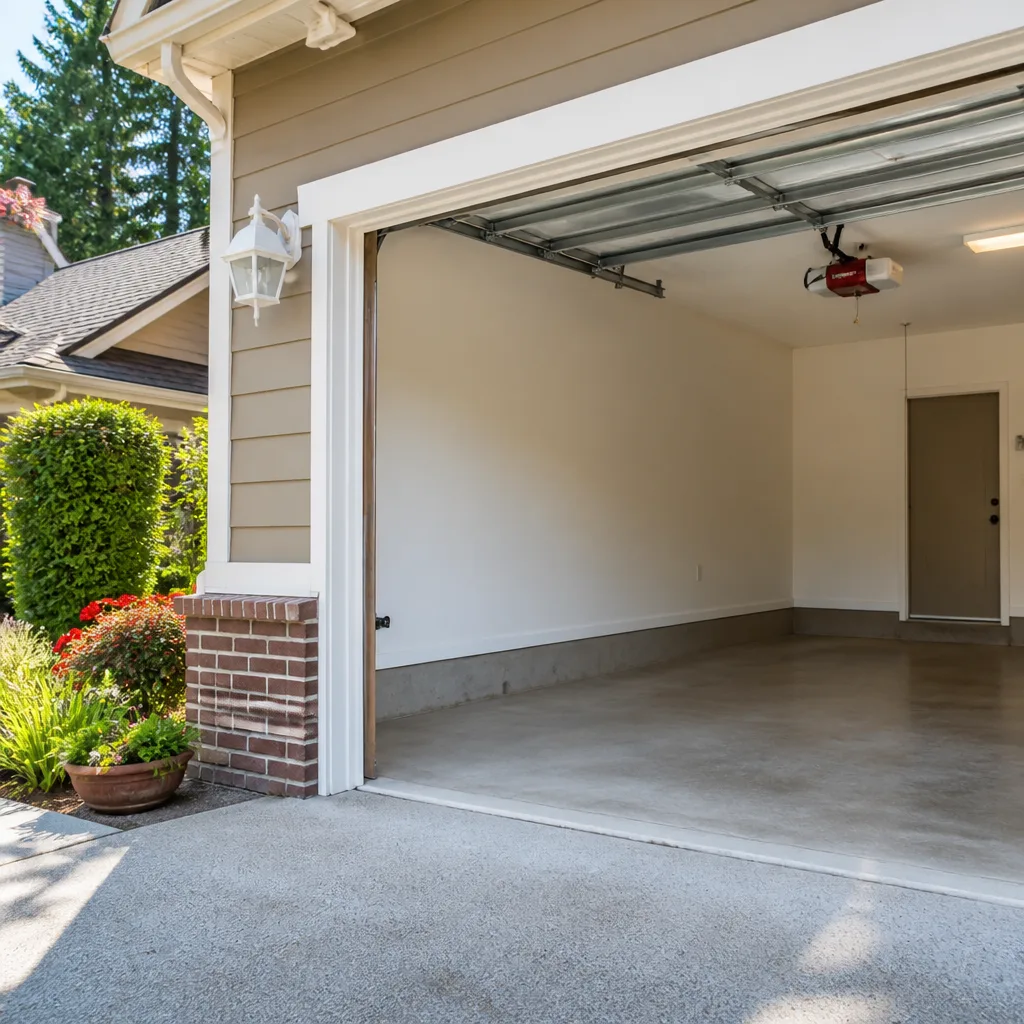 LiftMaster openers
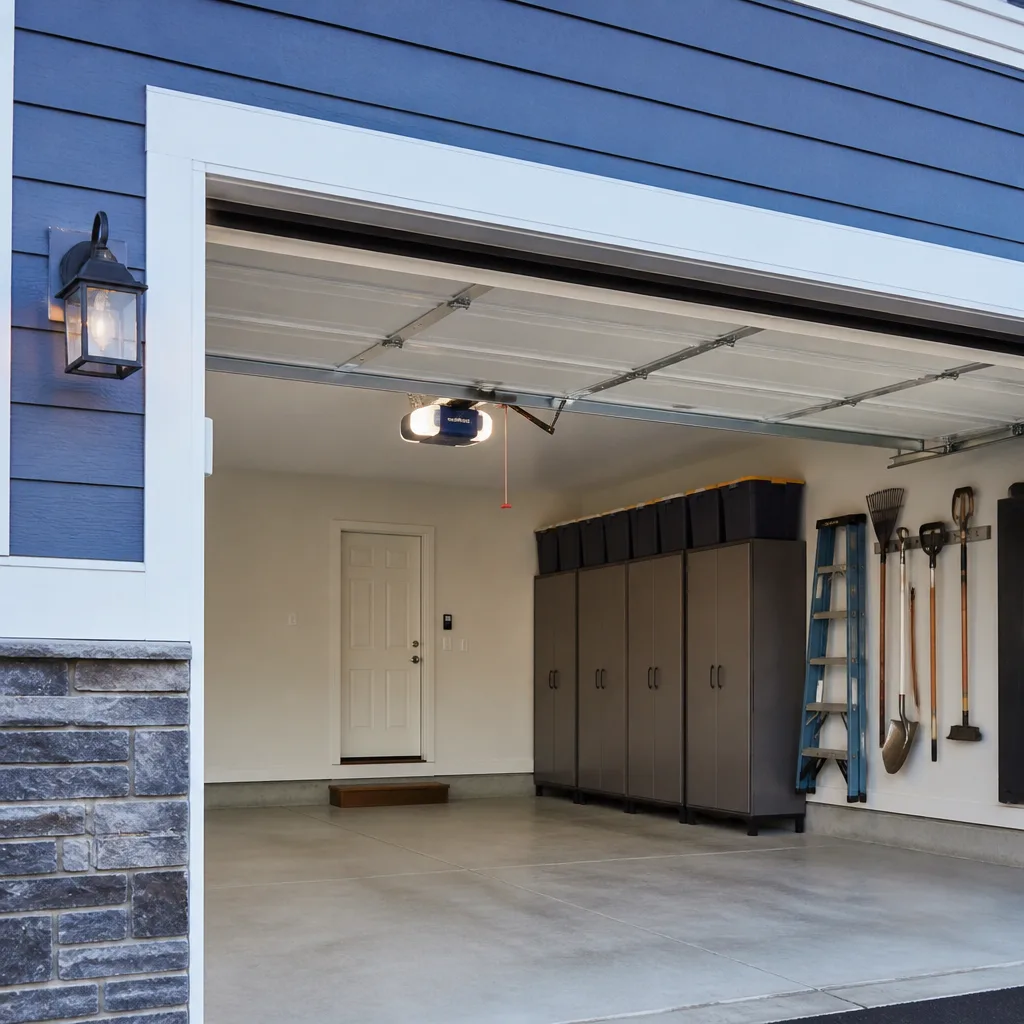 Chamberlain openers
Full 25-point door and opener safety check with every visit - springs, cables, rollers, tracks, and your LiftMaster or Chamberlain opener included
You get a price before we start. It does not change when the pro arrives.
Get your free estimateGarage Door Repair Maintenance Checklist for Warren Homeowners
If you’re lubricating your garage door rollers in October but skipping the bottom seal inspection, you have the order backwards. In Warren, a failed weatherseal causes more damage over winter than almost any other overlooked item. Road salt, freeze-thaw cycles, and the way most attached garages in this city hold humidity combine to wear out specific components first, in a predictable sequence. This checklist is built around that sequence, not copied from a manufacturer’s PDF. You’ll learn which parts to inspect every quarter, which to check once a year, what you can safely handle yourself, and where to stop and call a technician. If you’d rather have an expert walk the whole door, Warren Garage Door Service handles inspections and repairs for the system you already own.
Styles & brands we work with
- Raised-panel steel
- Carriage house
- Modern flush
- Full-view glass
- LiftMaster openers
- Chamberlain openers
Quick Answer
The core checklist for a Warren garage door is: inspect the bottom seal quarterly, check the torsion spring and cables monthly by sight only, test the photo-eye safety sensors every month, lubricate hinges and rollers with a cold-rated lithium or silicone product twice a year, and have a full professional inspection once a year before winter. The three components that fail first in Warren’s climate are the bottom weatherseal, the torsion spring, and photo-eye alignment.
Table of Contents
- Why Warren Garage Door Maintenance Isn’t Generic
- What Fails First in Warren: The Big Three
- The Quarterly Checklist: Tasks You Can Do Yourself
- The Annual Checklist: Tasks for a Technician
- The Right Lubricants for Michigan Temperatures
- Why Attached Garages Corrode Faster in Warren
- What You Can Safely Inspect vs. What Needs a Technician
- Common Mistakes to Avoid
- When to Call a Professional
- Frequently Asked Questions
- The Bottom Line
Why Warren Garage Door Maintenance Isn’t Generic
Most maintenance checklists you find online were written for a national audience. They treat a door in Phoenix the same as a door in Warren, which doesn’t reflect how things actually wear here. The problem isn’t the checks themselves; it’s the order and the frequency. A checklist that puts “lubricate hinges” at the top and “inspect weatherseal” near the bottom is going to cost you.
Warren sits in a cold, wet climate with real winter. Road salt gets tracked onto the concrete floor of your garage every time a car pulls in from December through March. That salt-laden slush sits against the bottom seal and the lower hinges, which are the lowest points on the door. Combine that with freeze-thaw cycling on the door itself (metal expands and contracts with temperature swings that can hit 40 degrees in a single day here), and you get accelerated wear on specific parts.
The other local factor is housing stock. Much of Warren’s residential construction includes attached garages that share a wall with the house. That layout is convenient, but it means the garage picks up humidity from the living space, from cars pulling in wet, and from any moisture that seeps through the slab. That humidity hangs around, corroding hinges, rollers, and the opener’s metal housing faster than a detached garage would. We’ve seen 10-year-old doors in Warren with hardware that looks twice its age because of this. For a deeper breakdown of specific repair scenarios, see our guide to garage door repair.
None of this means your door is doomed. It means the maintenance schedule needs to match the conditions. That’s what the rest of this guide delivers.
What Fails First in Warren: The Big Three
When we look at service patterns across the city, three components come up again and again as the earliest failures. Understanding them changes how you sequence your own inspections.
1. The Bottom Weatherseal
The rubber or vinyl strip along the bottom edge of your door is the first line of defense against moisture, salt, and cold air. In Warren, it takes a beating. Salt brine from the road breaks down the rubber over time, and repeated freeze-thaw cycles crack it. Once the seal tears or flattens, water gets under the door and onto the garage floor, where it can freeze and create a slipping hazard or seep toward the house. A damaged seal also lets cold air in, which raises your heating bill.
Check it by looking at the seal from inside the garage with the door closed. Any light showing through underneath, or visible cracks, flattening, or missing chunks, means it needs replacement. This is a genuinely important inspection, and most homeowners skip it.
2. The Torsion Spring
Torsion springs store the energy that lifts your door. In a cold climate, they cycle thousands of times a year, and the metal fatigues. Most springs are rated for a certain number of cycles, but cold weather accelerates fatigue. A spring that’s nearing the end of its life often gives a warning: a loud bang from the garage, a door that feels heavier than usual, or a visible gap in the coils.
Look at the spring above the door. A healthy spring has tight, even coils. If you see a visible gap or the spring looks stretched, it’s failing. Do not attempt to adjust, remove, or replace a torsion spring yourself. These are under extreme tension and can cause serious injury. This is a job for a trained technician.
3. Photo-Eye Safety Sensors
The two small sensors mounted near the floor on either side of the door opening are required on all openers made after 1993. Their job is to reverse the door if something breaks the beam. In Warren, they’re vulnerable to misalignment from a bumped garbage can, a shifting floor, or dirt and cobwebs. When they’re out of alignment, your door won’t close, or it will close and immediately reverse.
Testing is easy and safe: press the wall button to close the door, then wave your foot or a broom handle through the beam. If the door reverses, the sensors work. If it doesn’t, or if the opener light flashes, the sensors are misaligned or dirty. Clean the lenses first, then check alignment. If the problem persists, that’s an opener issue, and our garage door opener repair page covers what’s involved.
The Quarterly Checklist: Tasks You Can Do Yourself
A checklist that asks you to do everything monthly is a checklist you’ll abandon by February. The realistic split is quarterly for visual inspections and light maintenance, annual for the deep stuff. Here’s what belongs in the quarterly column.
Every three months, do these seven things:
- Inspect the bottom seal. Look for cracks, flattening, or light showing under the door. Replace if damaged.
- Test the photo-eye sensors. Wave an object through the beam while the door closes. It should reverse.
- Check the door balance. Disconnect the opener (pull the release handle), lift the door halfway, and let go. A balanced door stays put. If it drops or rises, the spring tension is off.
- Look at the hinges and rollers. Check for loose screws, wobbling rollers, or visible wear. Tighten what’s loose.
- Clear the tracks. Wipe down the vertical and horizontal tracks with a damp cloth. Don’t lubricate them – just keep them clean.
- Inspect the cables. Look at the cables on either side of the door. Fraying, kinks, or rust mean a professional should look at them. Never touch a cable under tension.
- Test the auto-reverse. Place a 2×4 flat on the floor under the closing door. The door should reverse on contact. If it doesn’t, the opener needs adjustment.
This full quarterly pass takes under 20 minutes. Do it in October (before winter) and again in April (after the salt season) at minimum. If you want a third and fourth pass, July and January work well. The October inspection is the most important one for Warren homeowners because it’s your last chance to catch a failing seal before the freeze sets in.
The Annual Checklist: Tasks for a Technician
Some checks are genuinely beyond what a homeowner should do. They’re not upsells; they involve parts under extreme tension or high-voltage components. Once a year, before winter, have a technician run through these:
What a Professional Annual Inspection Covers
- Torsion spring cycle count and wear assessment. A technician can measure remaining life and warn you before a failure.
- Cable inspection and tension check. Cables under tension can snap and cause injury. A trained technician knows how to inspect and release them safely.
- Panel and hinge structural check. Looking for bent panels, worn hinges, and loose fasteners that affect the door’s alignment.
- Opener mechanical and electronic inspection. This includes the drive gear, belt or chain tension, logic board, travel limits, and force settings. Modern openers with smart-home connectivity need their firmware and app integration checked too.
- Track alignment and leveling. Tracks that are out of square cause rollers to wear unevenly and the door to bind.
- Weatherstripping and threshold seal review. The third seal, at the base of the door frame, and the side seals.
- Full lubrication of moving parts with the correct product for the season.
One of the advantages of working with a brand-agnostic company is that the technician diagnoses your actual door, not a preferred product. Warren Garage Door Service is trained on eight of the most common brands in American homes, including LiftMaster, Chamberlain, Genie, Clopay, Amarr, Wayne Dalton, Craftsman, and Raynor. If your door was installed when the house was built in Warren decades ago and it’s a Craftsman or Wayne Dalton system that other contractors decline to touch, that’s not a problem. We work on the door you have.
For a general overview of what our service covers, see our Warren page.
The Right Lubricants for Michigan Temperatures
Lubrication is where well-intentioned maintenance does the most damage. The wrong product in a Michigan winter turns into a gummy paste that attracts dirt and makes the door harder to operate. Here’s the breakdown.
Products That Hold Up in Cold Weather
- White lithium grease (in a spray can) – a solid choice for hinges, rollers, and the torsion spring. It stays where you put it and handles cold. Apply sparingly.
- Silicone-based lubricant – ideal for the weatherseal and any rubber components because it won’t degrade the rubber. Also good for the bottom seal after cleaning.
- Cold-rated synthetic grease – for the opener’s gear and drive components, check the manufacturer’s recommendation, but a synthetic that stays viscous below freezing is what you want.
Products That Gum Up in Cold
- Petroleum-based or standard motor oil – thickens in cold and collects grit. Avoid.
- WD-40 (the standard formula) – a decent light cleaner, but it’s a solvent, not a lubricant, and it won’t hold up over winter. Don’t use it as your primary lubricant.
- Household cooking spray – this one gets used more than you’d think. It attracts insects and washes away quickly. Skip it.
- Heavy grease on the tracks – never put grease in the tracks. It attracts debris that jams the rollers.
How to Apply
- Clean the parts first with a dry cloth. Lubricant over grit just makes grinding paste.
- Spray a small amount of white lithium onto each hinge pivot point and roller bearing (not the track itself).
- Wipe away excess. A thin coat is all you need.
- Apply silicone spray to the bottom seal and wipe it in.
- Run the door up and down a few times to distribute.
Twice a year is plenty – once in late fall before the cold sets in, and once in spring. More than that and you’re just attracting dust.
Why Attached Garages Corrode Faster in Warren
If your garage shares a wall with your house (and in most Warren residential neighborhoods, it does), your hardware is aging faster than you might expect. Here’s the mechanism.
An attached garage is typically the least conditioned space in the house. It doesn’t have the same vapor barrier or insulation as the living area, and it sits on a concrete slab that absorbs ground moisture. Add the humidity from a warm car pulling in after a rainstorm, and you’ve got a space where relative humidity regularly spikes above what you’d see in a detached garage. That moisture condenses on cold metal – hinges, rollers, springs, and the opener’s chassis – and starts the corrosion process.
It’s not dramatic. It’s slow. But over 10 or 15 years, it’s the difference between hardware that’s still smooth and hardware that’s seized up. The salt tracked in on winter roads adds a second layer, literally: calcium chloride and sodium chloride deposits that accelerate rust on the lowest points of the door.
What You Can Do About It
- Ventilate when the weather allows. Crack a window or the service door for 20 minutes after the car comes in wet.
- Keep the floor dry. A squeegee and a slightly sloped slab help. So does fixing a damaged bottom seal.
- Wipe down hardware after salt season. In March, take a rag and some mild soapy water to the lower hinges and rollers. It’s a 10-minute job that adds years.
- Watch for standing water. If you see puddles near the door after rain, that’s a seal or threshold problem – get it fixed before winter.
- Inspect annually for rust. Light surface rust can be cleaned and treated. Deep corrosion means replacing the part.
One thing not to do: seal the garage tight in the name of efficiency without addressing the moisture source. That traps humidity inside, accelerating corrosion and creating a mold problem on the wall shared with the house. Address the moisture first.
What You Can Safely Inspect vs. What Needs a Technician
This is the section most checklists skip because it makes the writer nervous. Let’s be specific about where the line is.
Safe for Homeowners
- Visual inspection of the bottom seal, side seals, and threshold
- Testing photo-eye sensors and auto-reverse
- Cleaning the tracks with a damp cloth
- Lubricating hinges, rollers, and the spring with a light coat
- Tightening loose screws on hinges and brackets
- Balancing test (release the opener, lift halfway, observe)
- Testing the wall button, remote, and keypad
- Cleaning the opener housing and checking for visible damage
Needs a Trained Technician
- Any work involving torsion springs (adjusting, replacing, or removing)
- Any work involving cables (they’re under extreme tension)
- Replacing rollers under tension or adjusting the door’s balance
- Any electrical work inside the opener unit
- Track straightening or alignment after a strike
- Replacing a broken panel or bent section
- Diagnosing an opener that won’t respond to safety inputs
The dividing line is simple: anything under tension or carrying current is a technician job. This isn’t about fear; it’s about physics. A torsion spring that releases unexpectedly can break bones. A cable can slice. These are real risks that a trained tech manages with the right tools and procedure every day. For a fuller look at what our technicians handle, check our garage door repair service overview.
There’s no pressure on the inspection items. If you inspect your door quarterly and everything is fine, you don’t need anyone. That’s the point.
Common Mistakes to Avoid
- Lubricating the tracks. This is the single most common mistake we see. Tracks are meant to be dry. Grease traps grit and causes the door to bind. Clean them with a rag, don’t grease them.
- Using WD-40 as a long-term lubricant. It’s a solvent, not a lubricant. It cleans and displaces water but doesn’t hold up through a Warren winter. Use white lithium or silicone-based products instead.
- Skipping the bottom seal inspection in October. A failed seal that goes into winter without replacement means moisture freezes under the door and can crack the seal further, then migrate toward the house given the attached layout.
- Adjusting the torsion spring yourself. We’ve said this a few times and we’ll say it again because it’s the most serious mistake on the list. Springs are under extreme tension. Call a technician.
- Ignoring a door that reverses for no reason. A door that goes up partway and reverses is telling you something – usually a misaligned photo-eye, sometimes a failing limit switch in the opener. It’s not random; get it diagnosed.
- Painting over the photo-eye lens. If you’re repainting the door frame or the wall near the sensors, mask the lenses. A painted-over lens usually means the door won’t close.
- Assuming a noisy door is normal. A door that bangs, squeals, or grinds is telling you something is wearing. Regular lubrication and hinge inspection handles most noise. Persistent noise means a technician should look.
- Skipping the annual professional inspection. Most homeowners do the quarterly checks and stop there. The annual inspection catches the parts you can’t safely see, like cable wear near the drum and spring fatigue that isn’t visible from below.
When to Call a Professional
Call a professional if the door won’t open or close, if you hear a loud bang from the garage, if the door is visibly crooked or off its track, if a spring looks broken or stretched, if a cable is frayed or loose, or if the opener runs but the door doesn’t move. Call if a photo-eye sensor issue doesn’t clear after cleaning and realignment. Call if the door reverses for no reason or won’t stay closed. Call if you hear grinding or squealing that lubrication doesn’t quiet. And call if you simply want an experienced technician to inspect the door before winter, so you know what shape it’s in.
Warren Garage Door Service offers free estimates in Warren – call (866) 942-9754. We answer 24/7. Fast dispatch from 7am to 7pm, Sunday through Friday. Our technicians have up to 12 years of experience with the major brands found in Warren homes, including Amarr, Wayne Dalton, Craftsman, and Raynor. Repair first, replace only when necessary is how we approach every job.
Frequently Asked Questions
A garage door in Warren should get quarterly visual inspections and a full professional service once a year, ideally in October before winter. The quarterly inspections catch the visible issues – bottom seal, photo-eyes, lubrication – while the annual service covers springs, cables, and opener internals that require a trained technician. The fall timing matters because winter is when the wear you’ve ignored becomes the repair you can’t avoid.
If it’s been more than a year since your last service, call (866) 942-9754 – estimates are free.
No. Torsion springs are under extreme tension and are dangerous to handle without training and the right tools. A spring that releases unexpectedly can cause serious injury. If you suspect a spring is broken or failing – a loud bang from the garage, a door that feels heavier, a visible gap in the coils – leave the door closed and call a technician.
Warren Garage Door Service handles spring replacement with the door system and brand you already have. Call (866) 942-9754 for an exact quote.
Use white lithium grease on hinges, rollers, and the torsion spring, and silicone spray on the bottom seal and rubber components. These hold up at the low temperatures common in Warren. Avoid standard WD-40 as a primary lubricant, avoid motor oil, and never put grease in the tracks. Lubricate twice a year: once before winter and once in spring.
If your door is squealing or grinding despite lubrication, call (866) 942-9754 – we’ll diagnose the issue rather than just spraying more on.
Your garage door reverses before closing because the photo-eye safety sensors aren’t aligned, are dirty, or are blocked. Clean both lenses first, then check that they’re facing each other squarely. If the sensors look aligned and clean but the door still reverses, the problem is in the opener’s wiring or logic board, which needs a technician.
Our garage door opener repair team can diagnose and fix this – call (866) 942-9754.
Yes. An attached garage in Warren picks up more humidity from the house and from wet cars pulling in, and that moisture condenses on cold metal – hinges, rollers, springs, and the opener housing. Combined with road salt tracked in during winter, this accelerates rust on the lower parts of the door. Wiping down the lowest hardware after salt season and fixing a damaged bottom seal helps slow this down substantially.
Disconnect the opener by pulling the release handle, lift the door halfway, and let go. A balanced door stays where you put it. A door that drops means the springs are losing tension; a door that rises means they’re too tight. Either way, a technician should look at it – then call (866) 942-9754. The balance test takes about 30 seconds and is the best early warning system for a failing spring.
No. A torn bottom seal in Warren lets water under the door, and that water freezes as temperatures drop, which cracks the seal further. The moisture also works its way toward the shared wall with the house, where it causes problems you don’t want to discover in January. Replace a failing seal before the freeze sets in.
The Bottom Line
A garage door maintenance checklist for Warren has to look different from the generic version, because the climate, the salt, and the attached-garage layout here wear out specific parts in a specific order. Bottom seal, torsion spring, photo-eye sensors: watch those. Quarterly, do the visual checks and the lubricating yourself. Once a year, have a technician check the springs, cables, and opener internals. If it’s a Craftsman, Wayne Dalton, Raynor, or Amarr door from decades past, that’s still a service we handle. Warren Garage Door Service works on the system you already have, diagnoses the actual failure, and repairs first. When you need a hand, call (866) 942-9754. We answer 24/7. Fast dispatch from 7am to 7pm, Sunday through Friday.
Written by the team at Warren Garage Door Service.
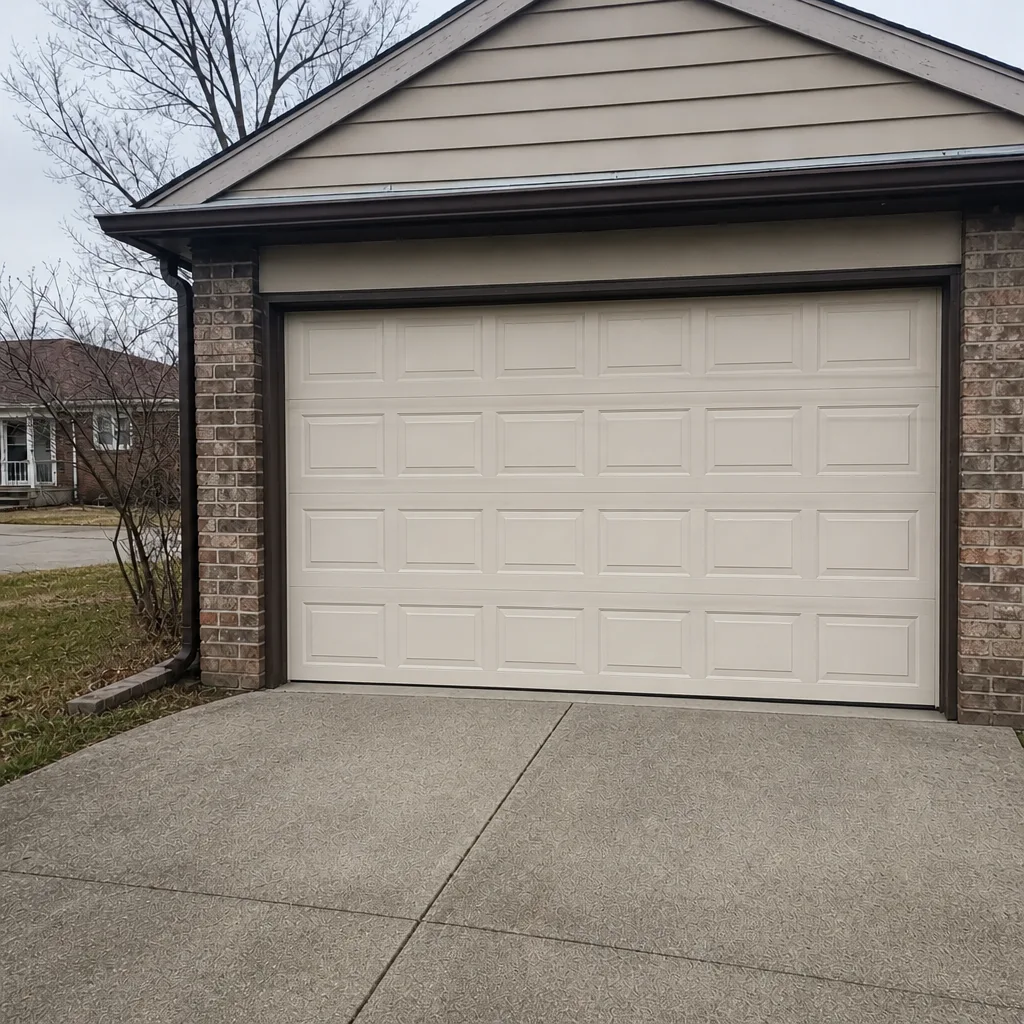
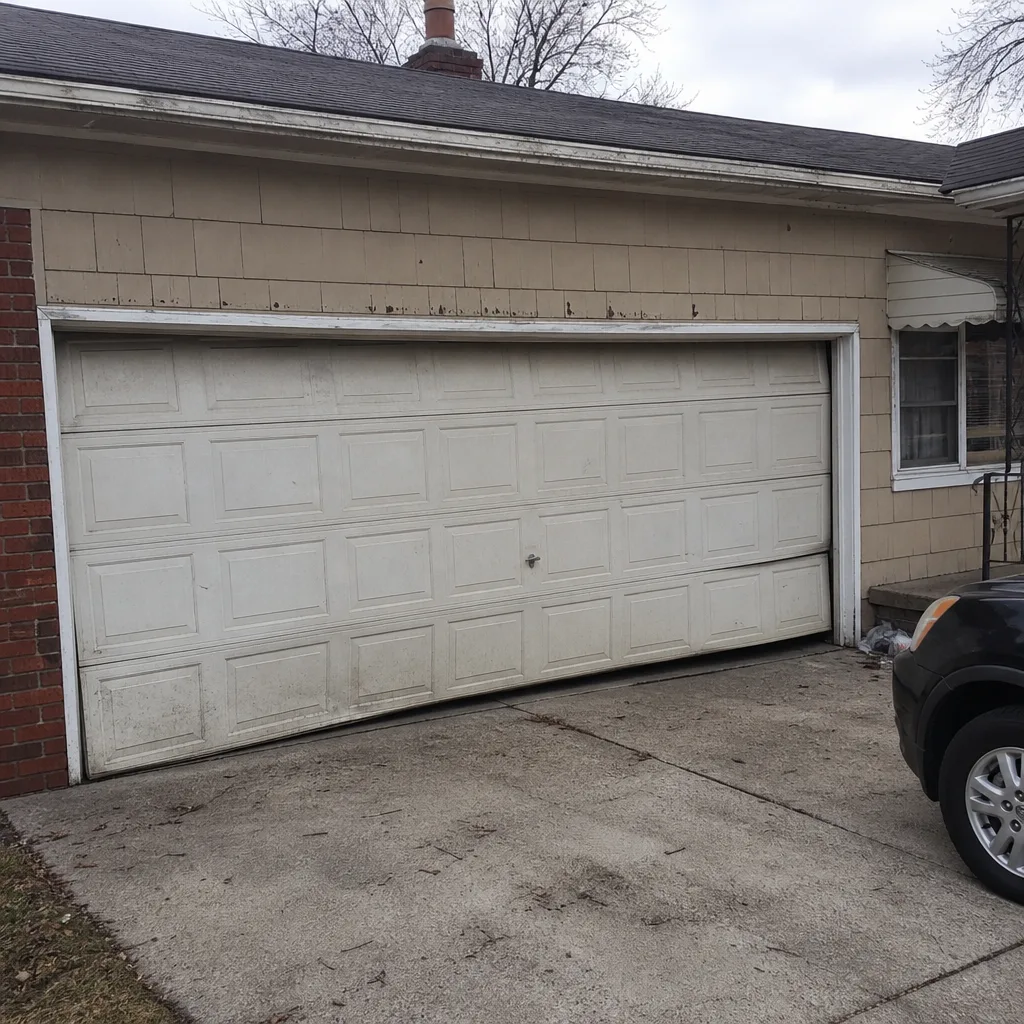
See the difference
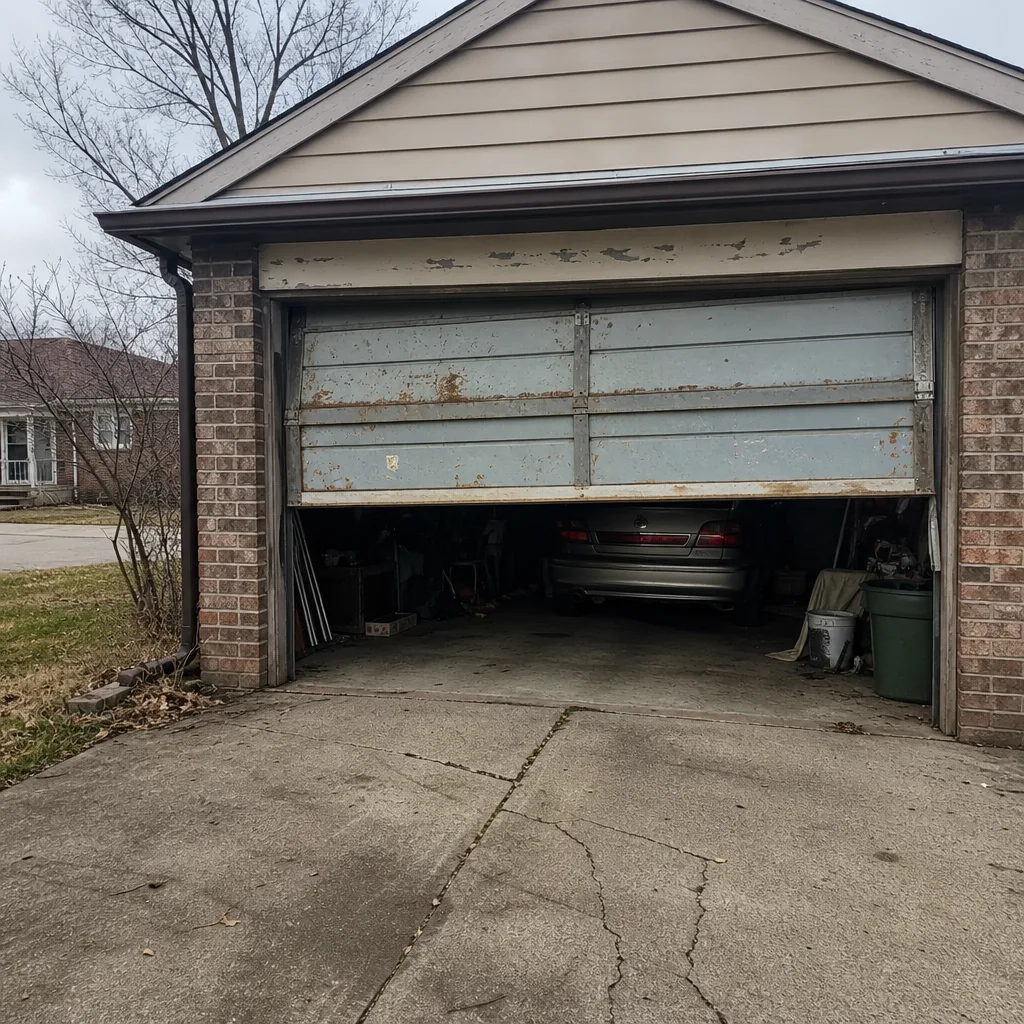 Before
 After
 Before
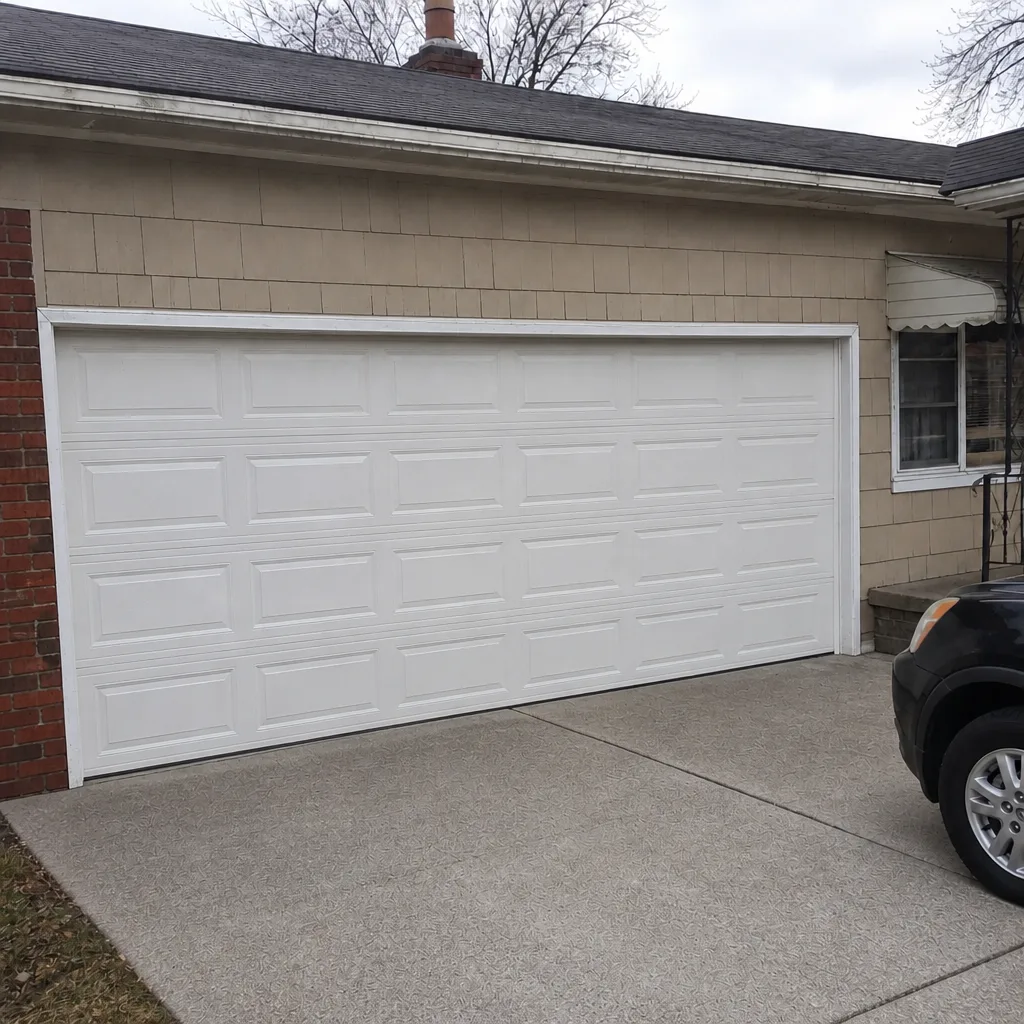 After
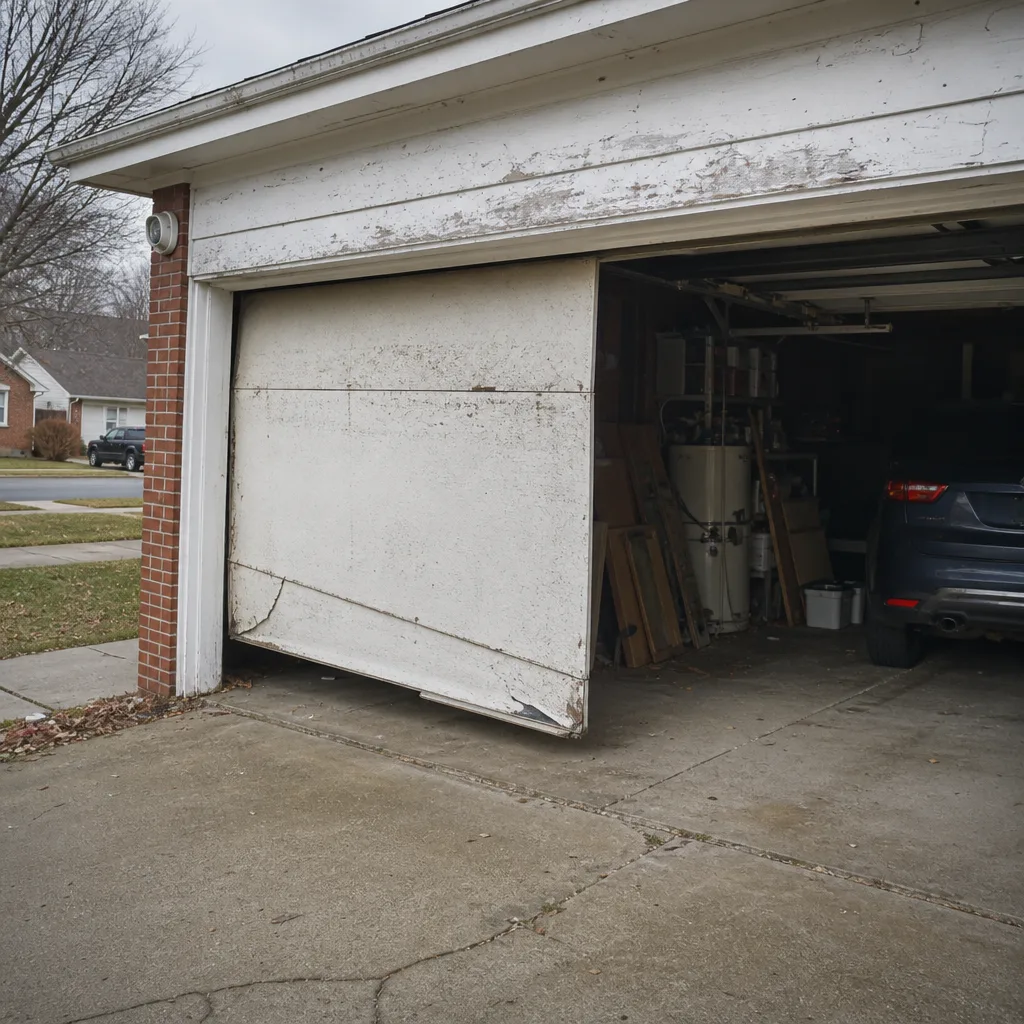 Before
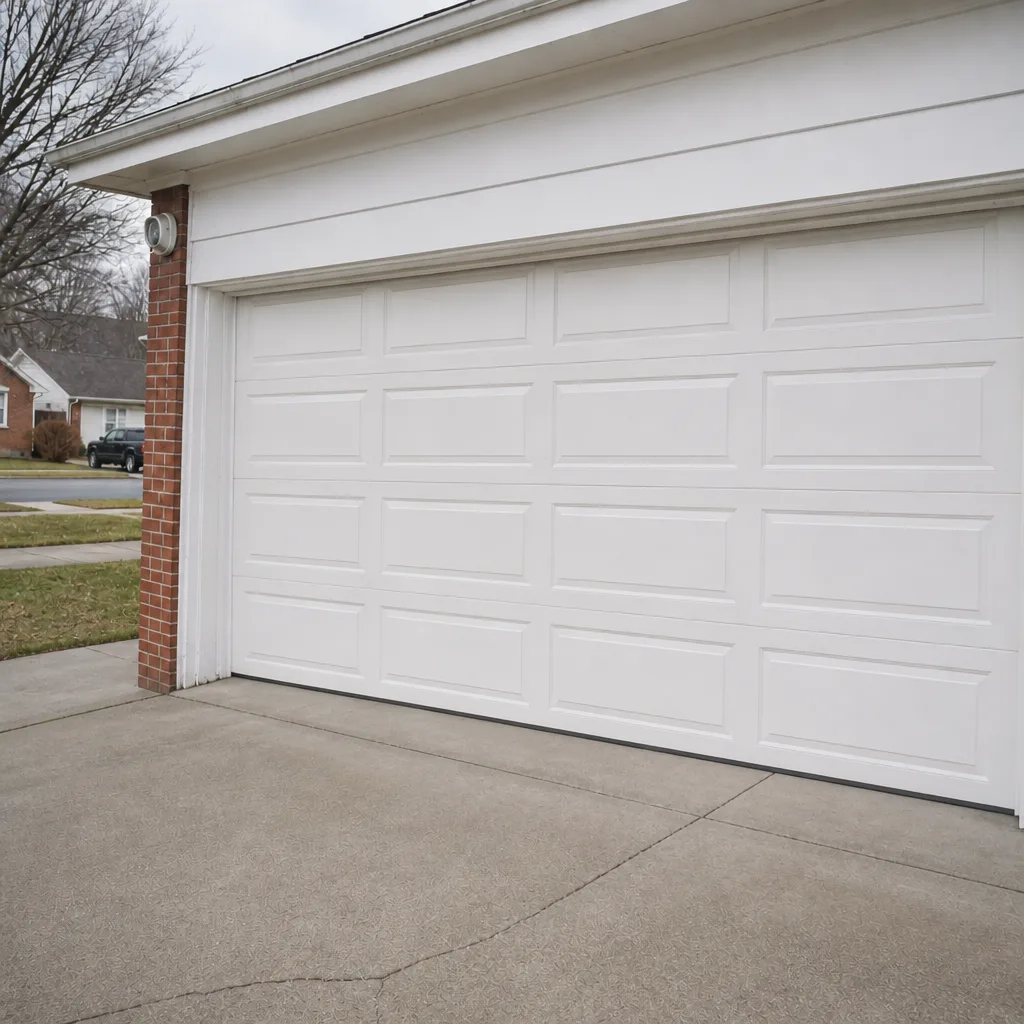 After