
Last updated November 16, 2026
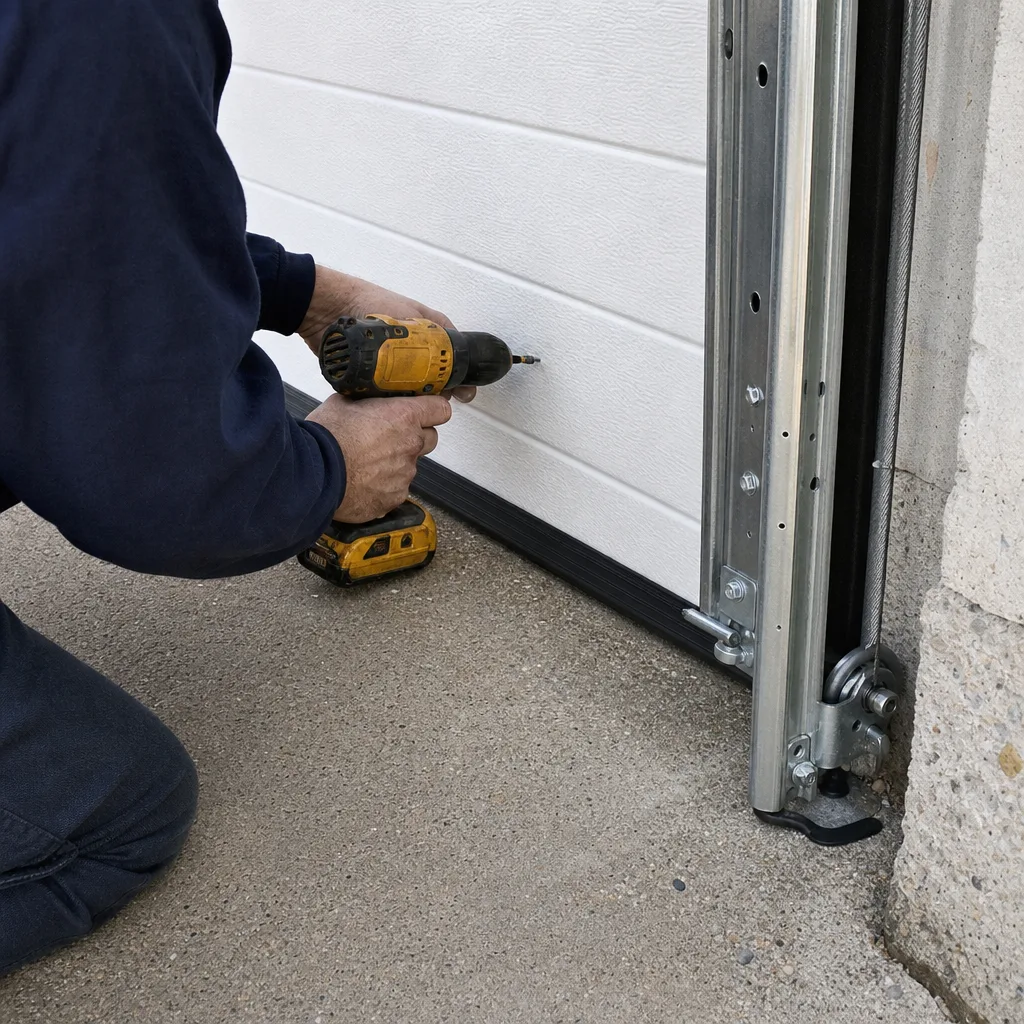
 Raised-panel steel
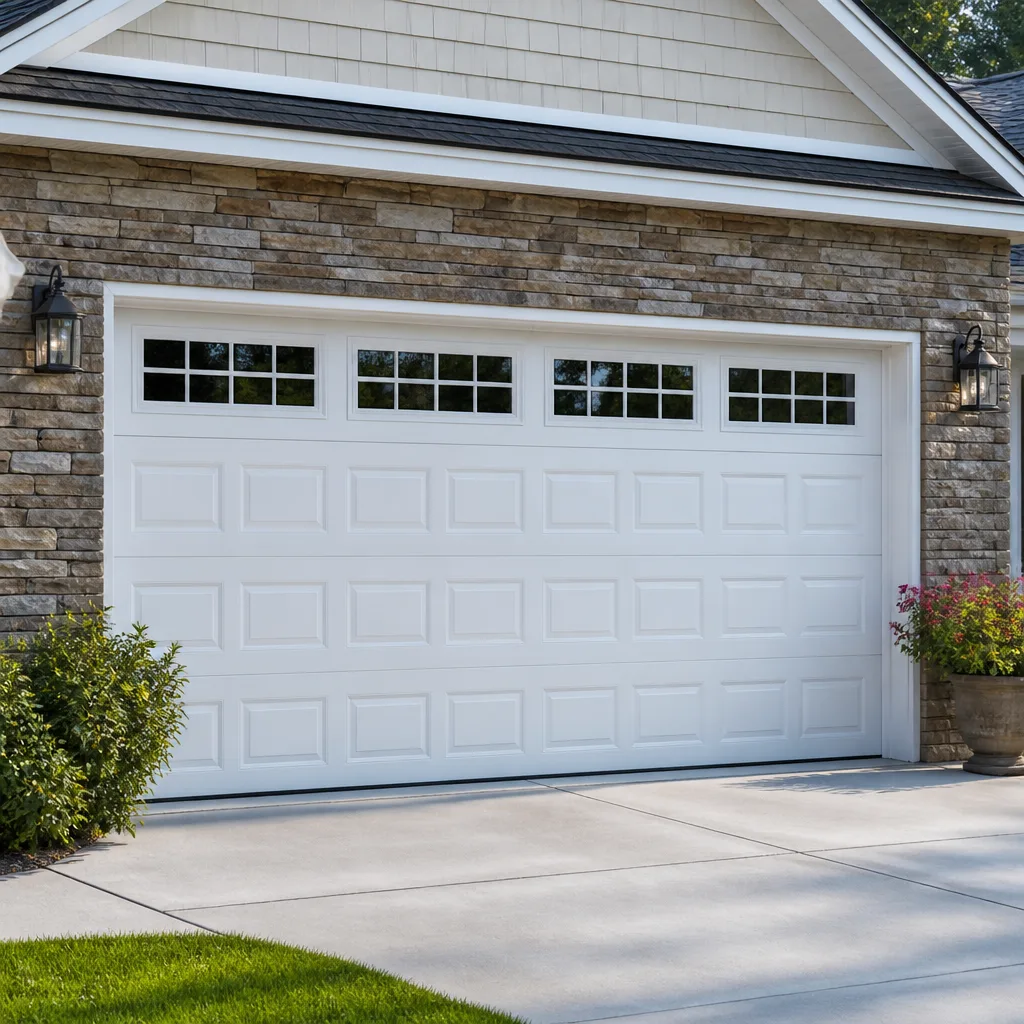
 Carriage house
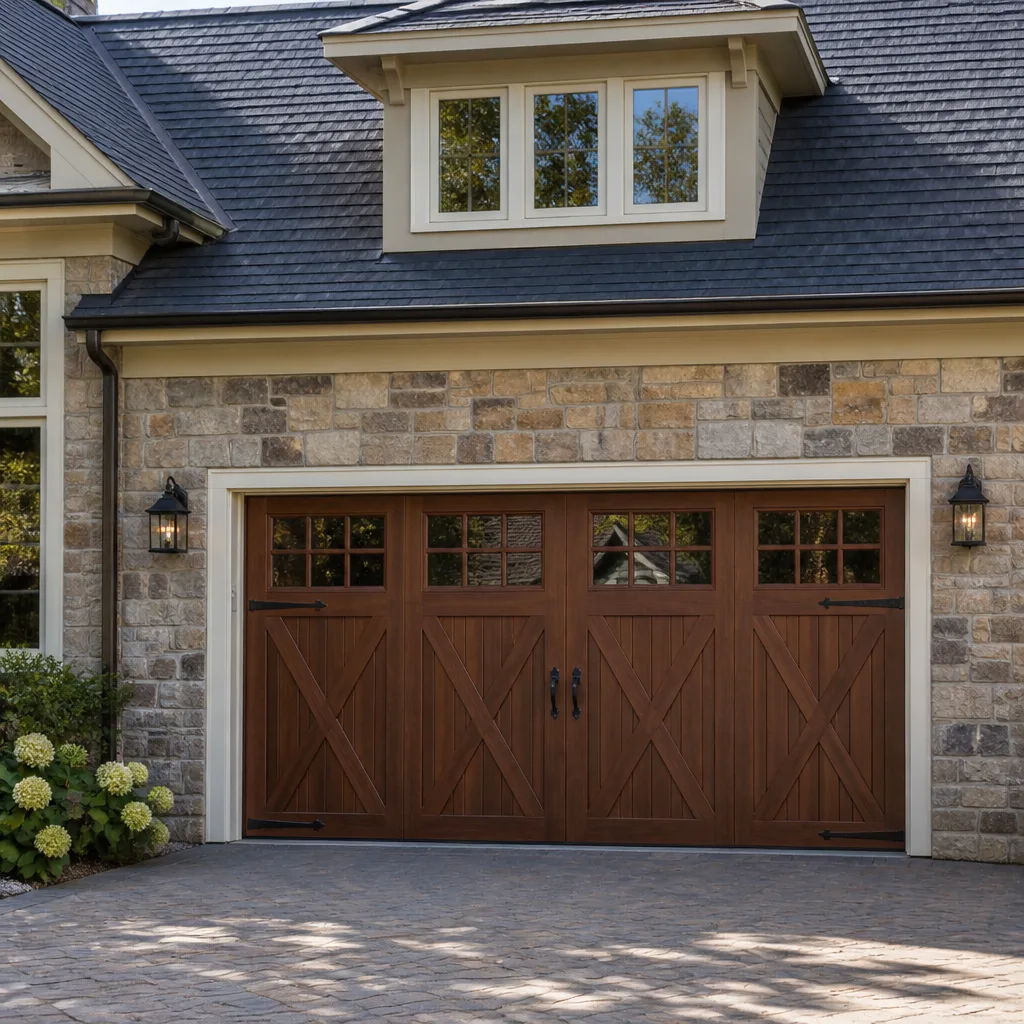
 Modern flush
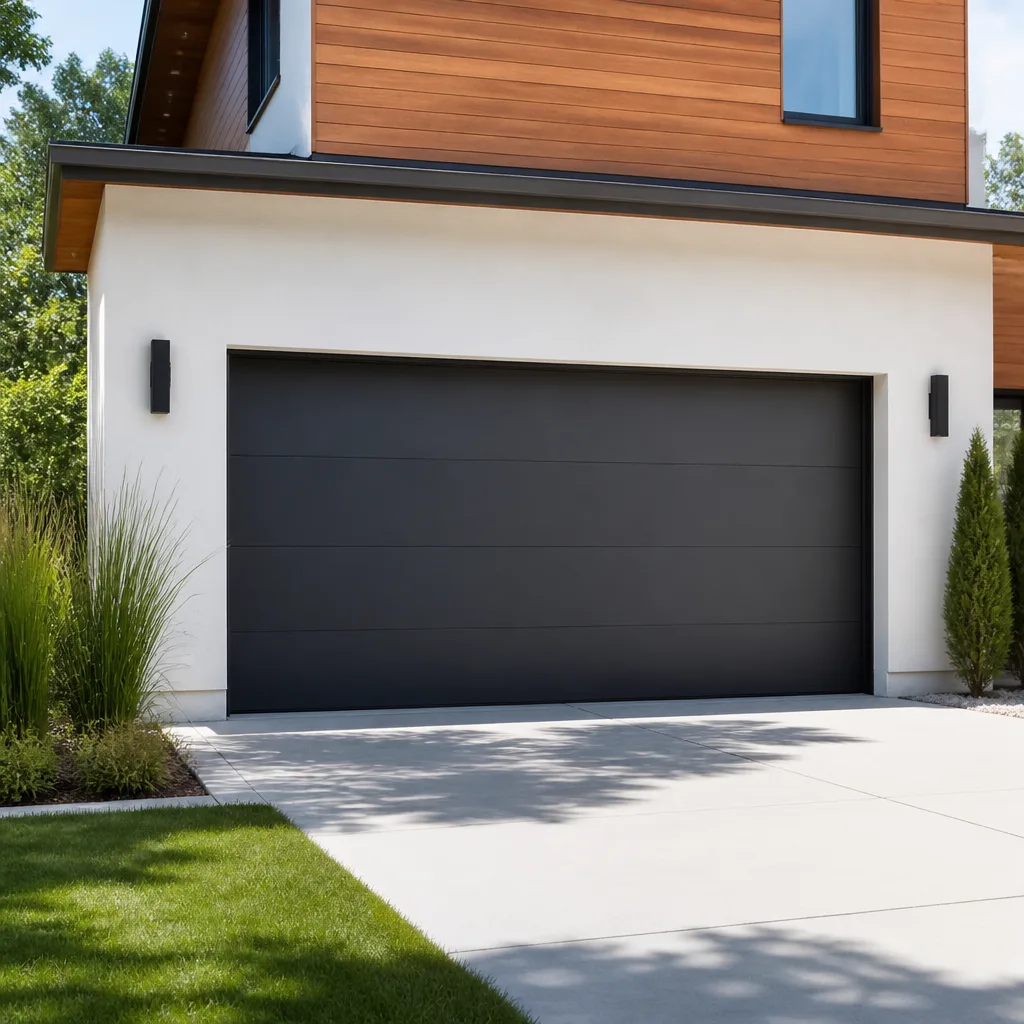
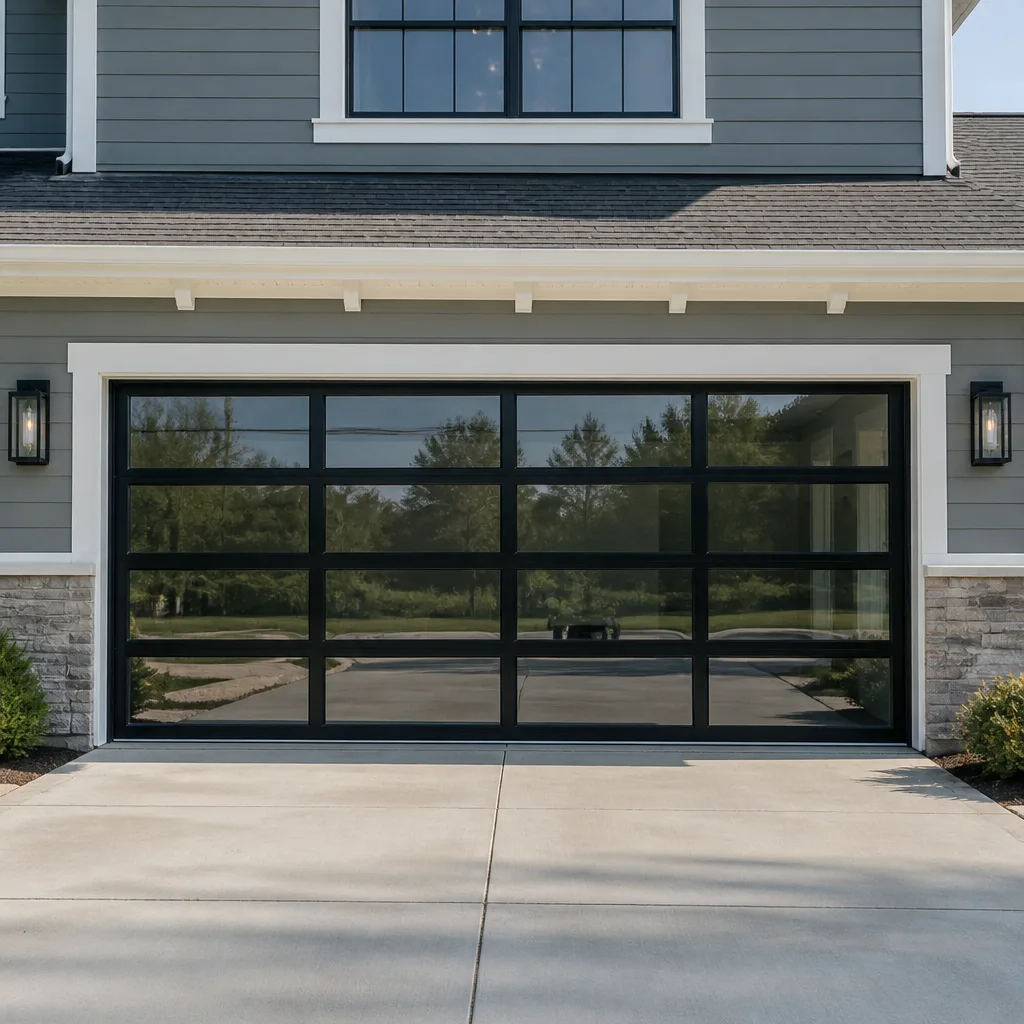 Full-view glass
 LiftMaster openers
 Chamberlain openers
Full 25-point door and opener safety check with every visit - springs, cables, rollers, tracks, and your LiftMaster or Chamberlain opener included
You get a price before we start. It does not change when the pro arrives.
Get your free estimateGarage Door Repair Maintenance Schedule: What to Do and When
The standard advice says to lubricate your garage door once a year. That schedule was built for a door that opens and closes a few hundred times annually, which is not how most households use the biggest moving object in their home. A family of four that treats the garage as the front door cycles that door thousands of times a year, and the same twelve-month interval that suits a retired couple doing a fraction of that puts far more wear on springs, rollers and cables than most homeowners realize. The real unit of garage door maintenance isn’t months on a calendar. It’s cycles. This guide breaks maintenance into three tiers you can actually keep up with, specifies which lubricant belongs on which part, and shows how a neglected twelve-dollar roller turns into a much bigger repair. Warren Garage Door Service works on the door you already have, so we’ve written this to help you keep it running longer.
Quick Answer
A garage door maintenance schedule should be based on how many times the door cycles, not the calendar. Do a two-minute visual check monthly, mechanical checks (balance, cables, rollers, weather seal) every few months, and a professional inspection once a year or roughly every 2,500 cycles. Households that use the garage as a main entrance need the mechanical tier more often than the annual-checkup advice assumes. Lubricate springs and hinges with a dedicated garage door lubricant, never WD-40 or grease.
Styles & brands we work with
- Raised-panel steel
- Carriage house
- Modern flush
- Full-view glass
- LiftMaster openers
- Chamberlain openers
Table of Contents
- Why Cycles, Not Months, Are the Real Maintenance Unit
- Tier 1: Monthly Visual Checks (2 Minutes)
- Tier 2: Quarterly Mechanical Checks With Pass/Fail Tests
- Which Lubricant Goes Where (and What Not to Use)
- The Warren Seasonal Schedule and What Our Climate Does to Your Door
- Three Components Most Homeowners Ignore
- How Deferred Maintenance Turns Into Repair Cost
- Tier 3: The Annual Professional Inspection
Why Cycles, Not Months, Are the Real Maintenance Unit
A garage door is a mechanical system with a finite service life measured in cycles, meaning one full open-and-close. Springs, in particular, are rated by cycle count, not by how long they’ve been hanging above your car. A torsion spring built for a certain number of cycles doesn’t care whether that wear happened over three years or nine. It only cares that the cycles are used up.
So the first real step in any maintenance schedule is honest self-assessment: how often does your door actually move? Most households fall into one of three rough patterns.
- Light use (roughly 2 to 4 cycles a day): A retired couple who mostly comes and goes through the front door. The car pulls in and out a couple of times daily.
- Moderate use (roughly 6 to 8 cycles a day): A household where the garage handles errands, school runs and one or two cars, but the front door still gets plenty of traffic.
- Heavy use (roughly 8 to 10 or more cycles a day): A family of four using the garage as the main entrance. Multiple cars, comings and goings, deliveries, bikes and trash bins all funnel through that one door.
The gap matters. A door that cycles 2,500 to 3,500 times a year wears components far faster than the once-a-year advice assumes, and that difference is exactly why two neighbors in the same Warren block can own the same age of door and have very different luck with it. When you plan your schedule around cycles instead of a date on the calendar, you inspect the right parts at the right time. If you ever need a hand with a specific symptom, our garage door repair service is built around diagnosing the actual problem rather than guessing at parts.
Tier 1: Monthly Visual Checks (2 Minutes)
These checks don’t require tools and don’t require you to touch anything dangerous. They’re a walk-around, and they catch problems while they’re still small. Do them once a month, and make it a habit when you’re already walking past the door.
- Look at the springs. With the door closed and the opener disengaged, check the springs above the door for visible gaps or a stretched, uneven look. A broken spring shows as a clear gap in the coil. If you see one, stop using the door and call a professional; do not try to adjust it yourself.
- Listen for the door. Run it once. Grinding, squealing, popping or a door that shudders as it travels all point to something that needs attention.
- Check the weather seal at the floor. Look for daylight or water under the bottom seal. If you can see light between the door and the floor, the seal isn’t compressing and your garage is losing its weather barrier.
- Scan the cables. Look at the cables on each side, without touching them. A cable with visible fraying, kinks or loose strands is a safety concern. Cables are under extreme tension and are one of the parts a homeowner should never handle.
- Watch the door’s path. Make sure nothing is stored against the tracks and that the door doesn’t scrape a shelf or a hanging object as it opens.
Want a mnemonic that holds up? “Springs, sound, seal, cables, path.” Two minutes once a month is the cheapest maintenance you’ll ever do, and it’s how a Warren homeowner avoids a surprise on a morning when they need to leave.
Tier 2: Quarterly Mechanical Checks With Pass/Fail Tests
Every few months, get a little more hands-on. These checks have clear pass/fail criteria, so you’re not guessing. Do them with the door closed and the opener disengaged (pull the release handle so the door moves by hand). If any test fails, stop and call for garage door repair help before the issue grows.
The Balance Test (Pass/Fail)
Lift the disengaged door by hand about halfway up and let go. A balanced door should hold roughly where you left it, or drift very slowly. If it slams down or drops quickly, the springs are out of adjustment or weakening. That’s a fail. Weak balance puts extra strain on the opener and is a genuine safety issue; don’t run the door on the opener until it’s checked.
The Cable Fray Test (Pass/Fail)
Inspect both cables along their length for loose strands, birdcaging (a bulge where the cable is unwinding) or kinks. Clean and even is a pass. Any visible fraying is a fail, and you should keep people and vehicles clear of the door until a professional looks at it.
The Roller Test (Pass/Fail)
Rollers should spin freely with a slight give. If a nylon roller is cracked or flat-spotted, or a steel roller is grinding instead of rolling, it fails. Rollers are inexpensive, and replacing a worn one early is one of the best returns in garage door care.
The Weather Seal Compression Test (Pass/Fail)
Close the door and look at the bottom seal. It should press against the floor evenly along the full width. Gaps, a flattened seal or a seal that’s pulling away from the retainer are a fail. That seal is what keeps rain, snowmelt and cold air out, and here in Warren it takes a beating through our winters.
The Hinge and Hardware Once-Over
Give the hinges and the roller brackets a look. Loose bolts should be snugged, and any hinge showing cracks or deep wear should be replaced. This is also the moment to lubricate, which brings us to the next section. If a Genie or Wayne Dalton system is starting to misbehave on the opener side rather than the door side, our garage door opener repair specialty covers both the mechanical drive and the electronic components.
Which Lubricant Goes Where (and What Not to Use)
This is where a lot of well-meaning maintenance goes wrong. The right lubricant in the wrong place can attract grit and wear parts faster. Two rules cover most of it: keep WD-40 off the moving parts that need real lubrication, and keep grease off plastic rollers and tracks.
What to Use on Springs and Hinges
Use a dedicated garage door lubricant or a white lithium spray on the springs, the hinges, the bearing plates and the roller stems. A light, even coat is enough. You’re reducing friction, not soaking the parts.
What to Use on Rollers
Nylon rollers need very little. A dry silicone spray on the stems is plenty. Never pack grease into a roller; it collects dust and grime and turns into a grinding paste. Steel rollers get a light coat of the same garage door lubricant on their bearings.
What to Skip
- WD-40 on springs and hinges: it’s a penetrant and light cleaner, not a lasting lubricant. It’ll quiet a squeak for a day and then leave the part drier than before.
- Grease on plastic rollers: attracts grit, accelerates wear.
- Grease in the tracks: the tracks should be clean and dry, wiped with a rag. Grease in a track is a magnet for dirt and debris.
- Oil on the opener’s drive screw or belt: follow the opener manufacturer’s guidance; many modern openers, including the Genie and LiftMaster units we service, want their drive left alone.
The simplest way to remember it: lubricate the parts that pivot and twist, keep the parts the rollers ride in clean and dry, and use a product actually designed for garage doors. If you’re ever unsure which opener you have, we can identify it and tell you what it needs.
The Warren Seasonal Schedule and What Our Climate Does to Your Door
Warren’s weather shapes how a maintenance schedule should land through the year. Our summers are humid, and our winters bring freeze-thaw swings, road salt tracked in on the floor, and cold that stiffens seals and shrinks the clearances on metal parts. A door that worked fine in September often complains in January. Here’s a sensible rhythm that respects that pattern.
- Spring (after the thaw): Do a full Tier 2 mechanical check. Winter is hard on the bottom seal, the hinges and the balance. Look for rust on the hinges and springs and for a seal that’s lost its flexibility over the cold. This is when a lot of hidden winter wear shows itself.
- Summer: Humid air and temperature swings make the tracks expand and contract, which is a good reason to check that the tracks are plumb and the rollers are still tracking true. Wipe the tracks clean and dry. If your opener remote or keypad is acting up, that’s an opener side check, not a door side one.
- Fall (before the first hard freeze): This is the most valuable check of the year. Re-lubricate the springs and hinges, confirm the bottom seal is compressing, and test the balance. A door that’s well-balanced and well-lubricated going into winter puts far less strain on the opener when the cold makes everything stiffer.
- Winter: Keep the bottom seal clear of ice buildup at the floor line and rinse salt and grit off the tracks and hinges where you can. Don’t force a frozen door; if it’s stuck, that’s a call, not a yank.
Around Warren, from the neighborhoods near the civic center out to the surrounding residential blocks, most of the doors we’re called to are the same handful of makes and models. We service Clopay and Amarr doors, and we install them, so we know how those panels and hardware behave through our seasons. Warren Garage Door Service is also your Warren resource for the opener side, which means one call covers the door, the opener and the installation question if you’re weighing a replacement.
Three Components Most Homeowners Ignore
In our experience, three checks get skipped more than any others, and they happen to be the three that most reliably predict a larger repair. All three are covered in the tiers above, but they’re worth calling out on their own.
The Door Balance Test
Almost nobody runs the balance test because it requires disengaging the opener and lifting the door by hand. But it’s the single clearest sign of spring health. A door that won’t hold its position is telling you the springs are weakening, and a weakening spring is a spring that’s headed for failure. Catching it early lets you plan the repair instead of discovering it at the worst possible moment.
Cable Fraying Inspection
Cables fray slowly and then fail suddenly. The monthly visual scan and the quarterly fray test catch the slow part. A frayed cable is a safety issue, and it’s one of the few things we tell homeowners not to touch at all. If it looks worn, keep clear of the door and call.
Weather Seal Compression
The bottom seal is the part that quietly keeps your garage dry, your heating bill sane and the pests out. When it flattens or pulls away, you won’t notice until you find water or cold air. The compression test takes seconds and tells you whether the seal is still doing its job.
Doors in older homes are especially worth the extra look on all three, because the hardware has been through more cycles. If you have an older Craftsman or Wayne Dalton system, a brand some generalist contractors decline to work on, we’re trained to service it and diagnose the door and opener together rather than assuming the whole thing needs replacing.
How Deferred Maintenance Turns Into Repair Cost
Skipping maintenance doesn’t save money. It moves the cost to a later, bigger repair. The clearest example is the roller. A worn roller is a small, inexpensive part to replace during routine maintenance. Let it grind for months and it wears the track, and a worn or bent track is a much bigger and more involved repair than a roller swap. The same logic applies everywhere: a dry hinge wears out and its bolts loosen, a flat seal lets in water that rusts the bottom of the door, and a weak spring strains the opener until the opener fails too.
Here’s how the parts of a schedule connect to the parts of the bill. Structured maintenance keeps small-part costs small and prevents them from cascading into structural repairs. When work is needed, the price is set per job by a written estimate, quoted and agreed before any work starts, so there’s no surprise once the technician is on site.
The trade-off is simple arithmetic. The cheapest maintenance is the check you do yourself in two minutes. The next cheapest is the small part you replace early. The most expensive is the repair you didn’t see coming because the warning signs went unread. Our technicians have up to 12 years of experience reading those signs, and a repair-first approach means we fix what’s broken instead of selling a replacement you don’t need. If a door is beyond economical repair, we can talk through a new install, but that’s a last step, not a first one.
Tier 3: The Annual Professional Inspection
Once a year, or roughly every 2,500 cycles for heavy-use households, bring in a professional for a full inspection. This tier covers the parts a homeowner shouldn’t touch and the checks that need a trained eye: spring tension and condition, cable integrity under proper handling, opener force and safety reversal settings, the door’s overall balance and track alignment, and the roller and hinge condition across the whole door.
Here’s what a professional inspection typically covers:
- Spring condition and tension, including any adjustment needed.
- Cable inspection and confirmation they’re properly seated and tensioned.
- Opener force, travel limits and the safety-reversal test (the door should reverse when it meets an obstruction).
- Roller, hinge and track inspection across the full door.
- Weather seal condition and door-to-floor fit.
- Lubrication of the moving parts with the correct products.
This is the tier where safety comes first. High-tension springs and cables store enormous energy, and spring or cable work is not a homeowner job. A trained technician has the right tools and knows how to release that stored tension safely. When a question is beyond a visual check, that’s exactly the work to hand off. A professional inspection also gives you a clear list of what’s fine, what to watch, and what to plan for, so you’re making decisions with information instead of waiting for a failure.
Common Mistakes to Avoid
- Lubricating on a calendar, not a cycle count. If your family cycles the door heavily, the annual once-over isn’t enough. Match the frequency to how often the door actually moves.
- Using WD-40 as a lubricant on springs and hinges. It quiets a squeak and then leaves the part dry. Use a real garage door lubricant.
- Packing grease into the tracks or plastic rollers. Grease collects grit and wears parts faster. Tracks stay clean and dry.
- Skipping the balance test because it means disengaging the opener. It’s the clearest early sign of spring wear, and skipping it is how weak springs turn into a failure.
- Ignoring a frayed cable or a gap in the spring. These are safety issues, not maintenance trivia. Stop using the door and call.
- Letting a worn roller grind on the track. In Warren’s freeze-thaw winters, a stiff roller works a track harder. Catch it early.
- Assuming a brand needs replacing because you can’t find someone to service it. Older Craftsman and Wayne Dalton systems are commonly declined by generalists. We service them.
See the difference
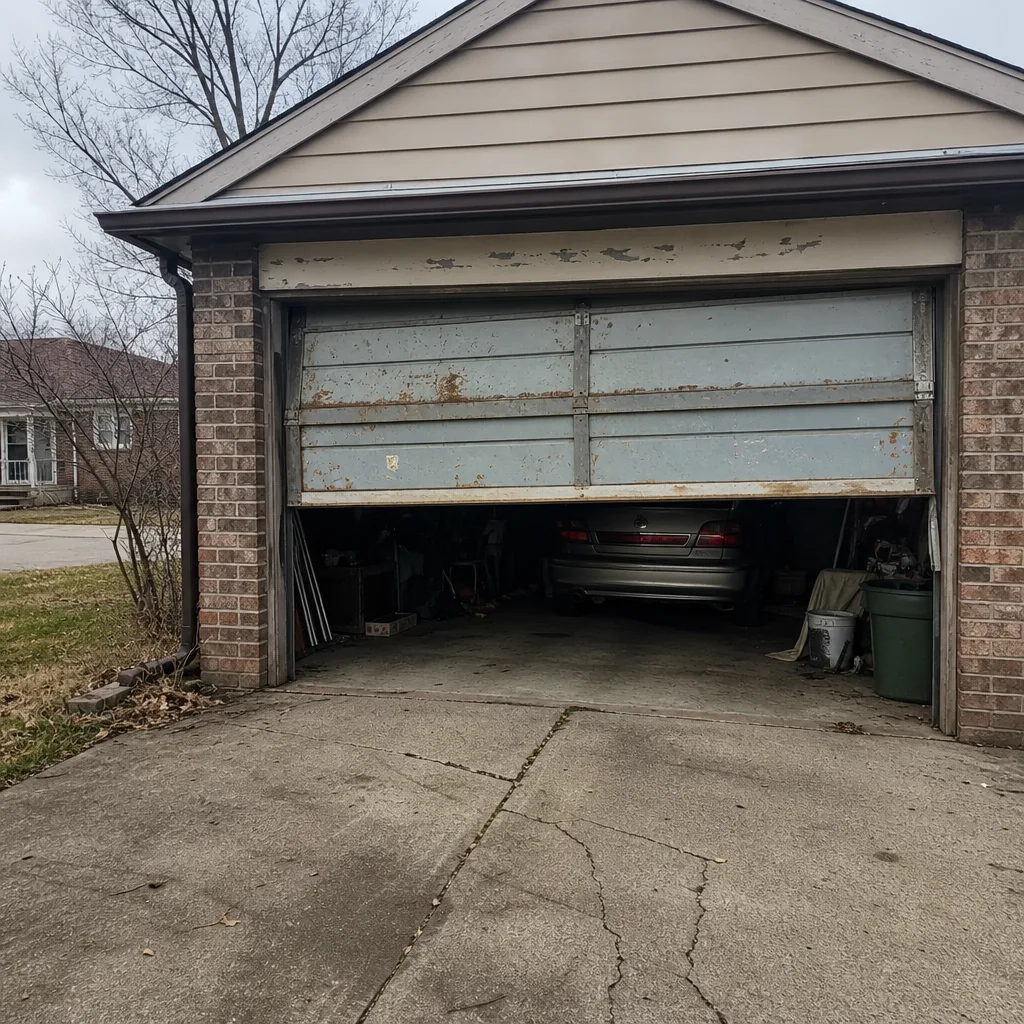 Before
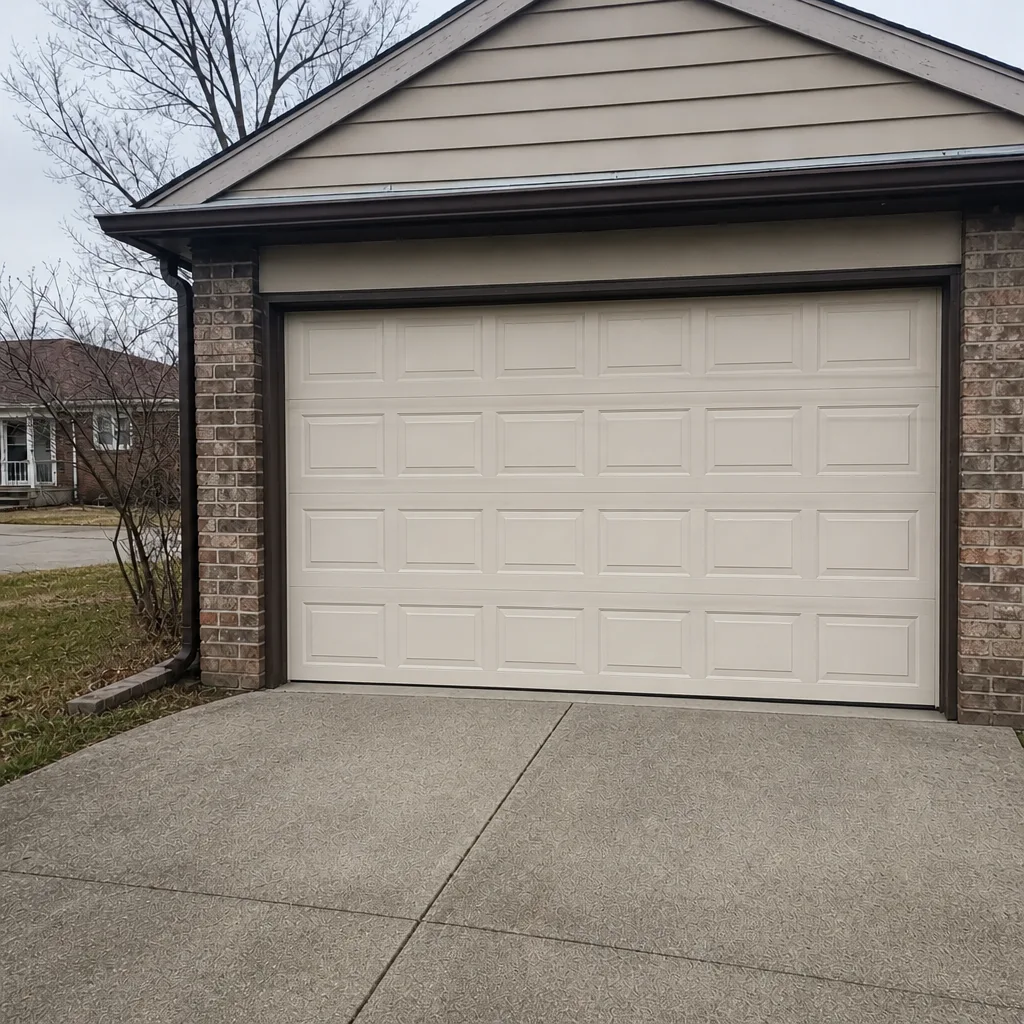 After
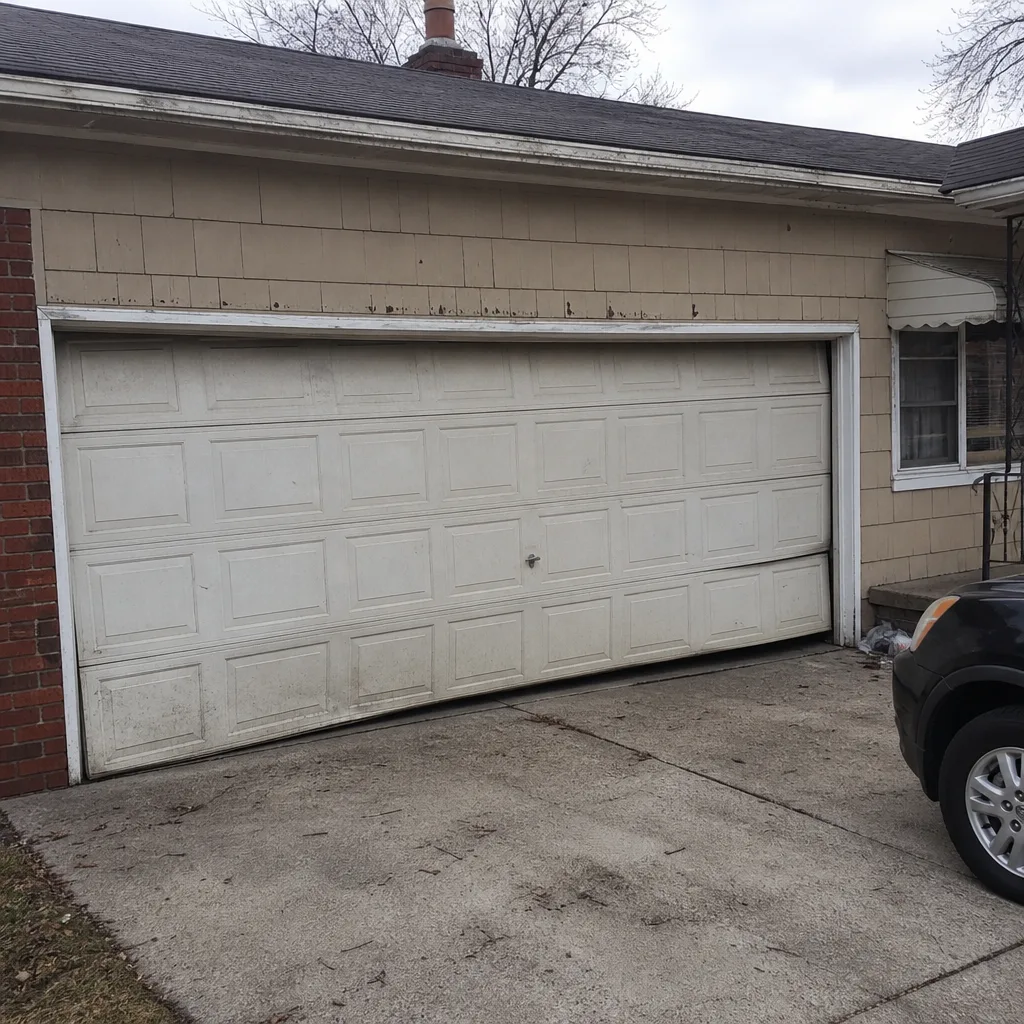 Before
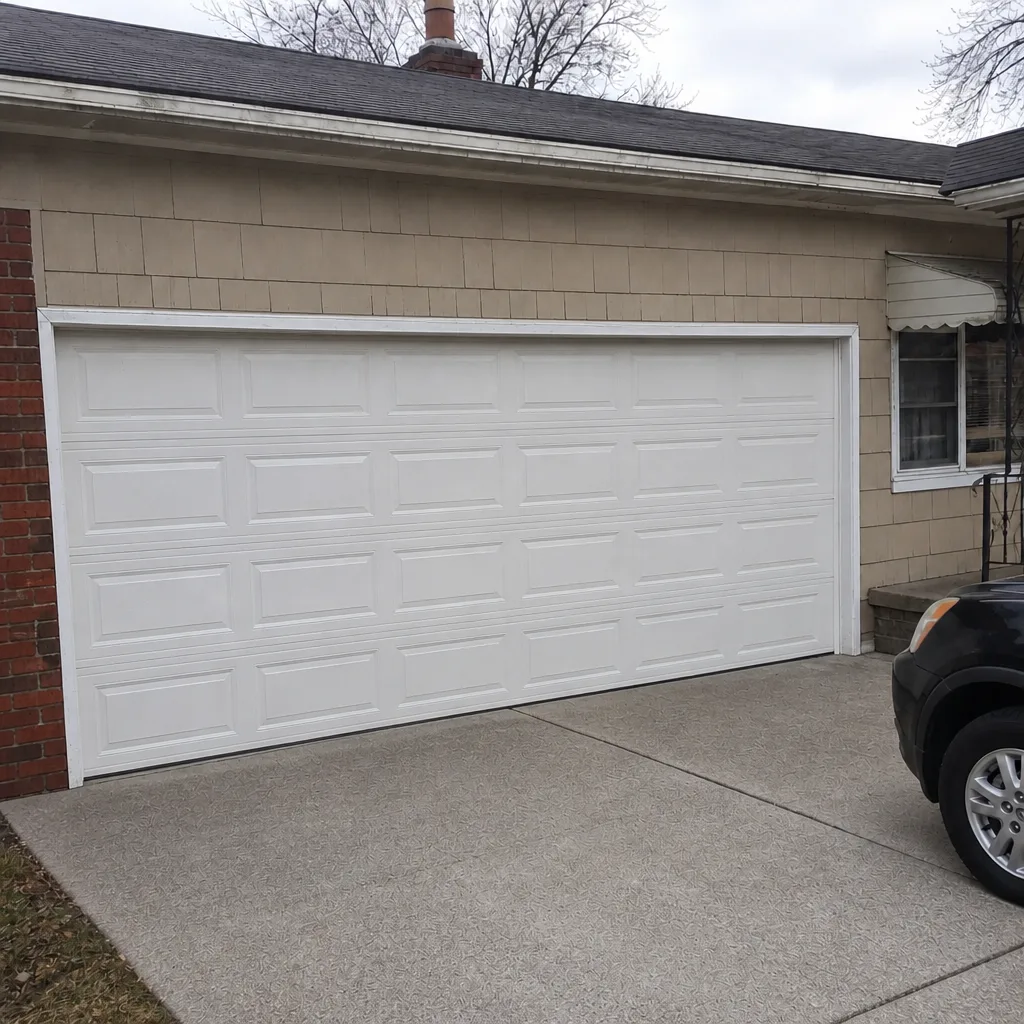 After
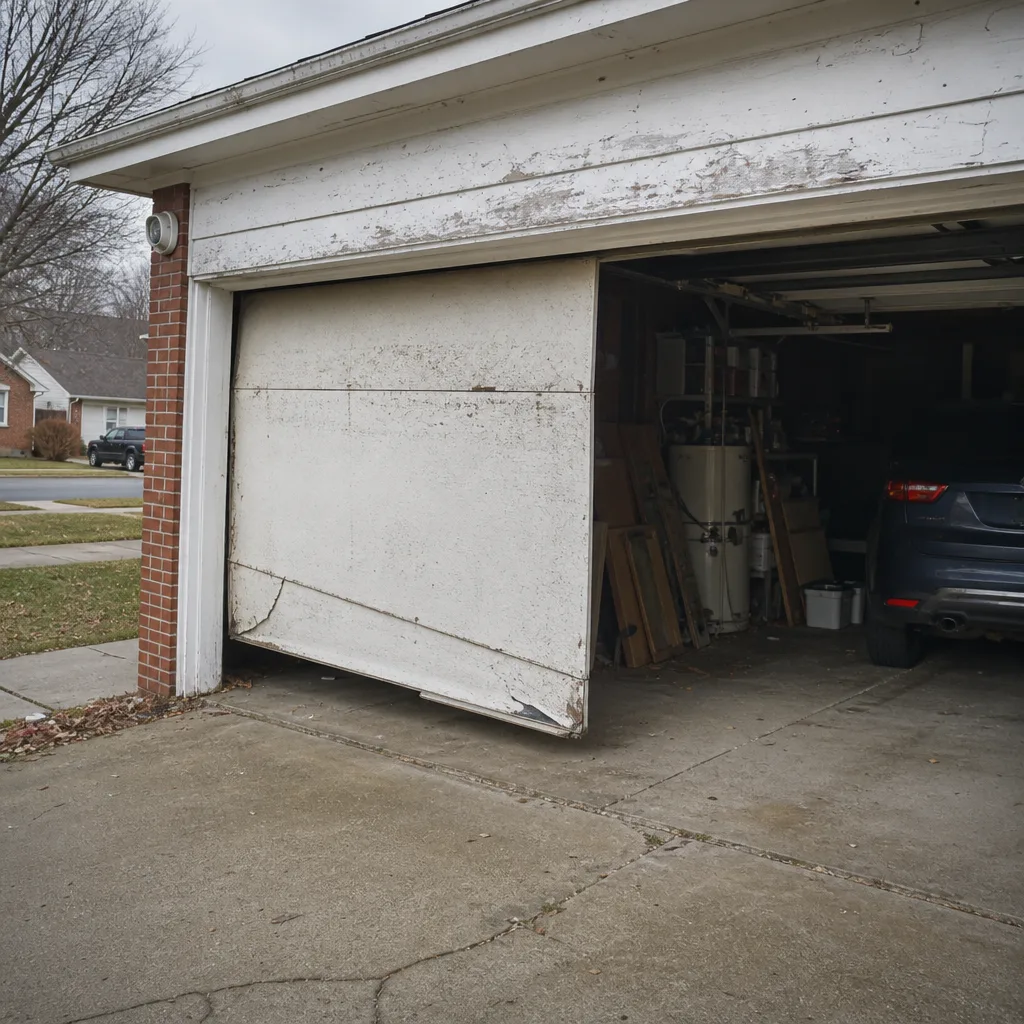 Before
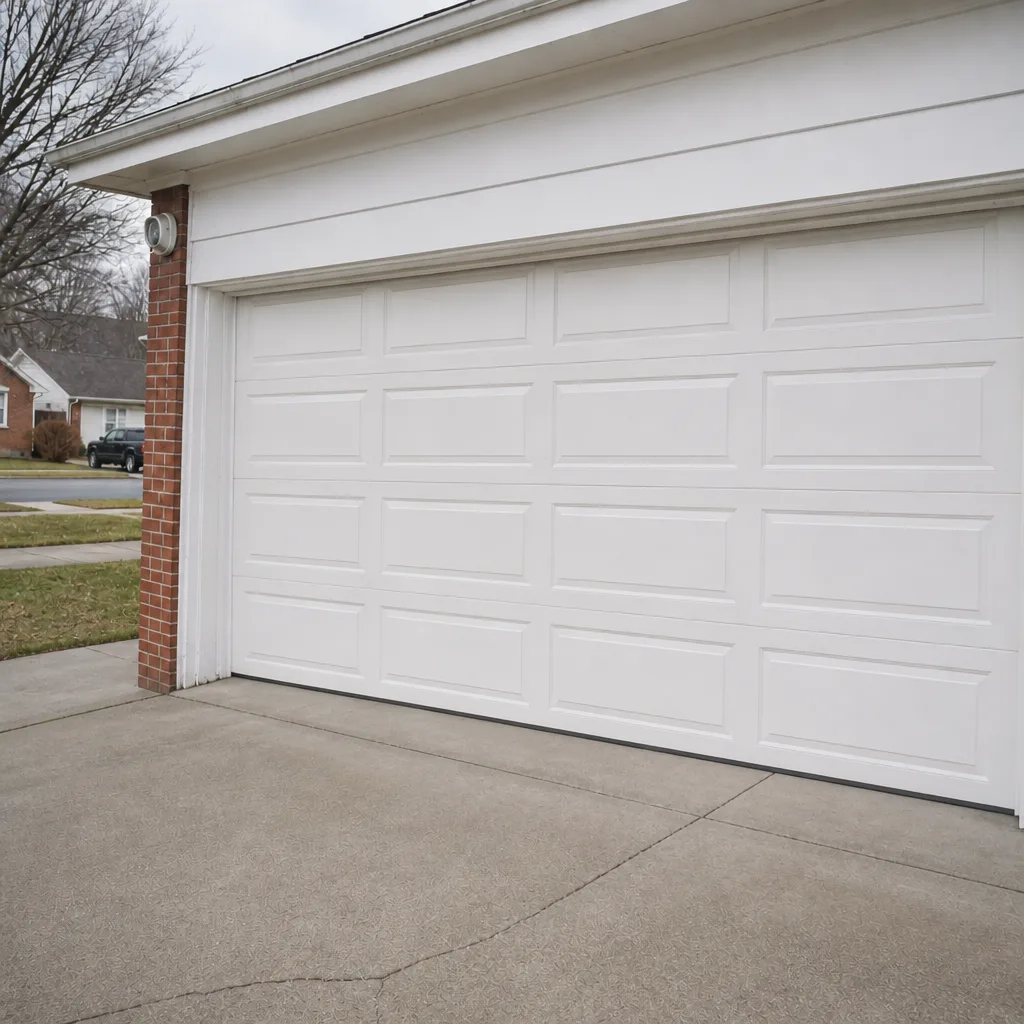 After
When to Call a Professional
Call a professional the moment you see a broken spring, a frayed or kinked cable, a door that drops on its own, or an opener that reverses oddly or refuses to close. These aren’t wait-and-see items; they’re safety concerns, and the door shouldn’t be used until they’re checked. Also call when a problem keeps coming back: a door that’s been re-adjusted twice and still rubs, an opener that works intermittently, or a track that’s clearly out of line. And call when you’re simply unsure, because a quick inspection costs nothing and beats a guess.
Warren Garage Door Service offers free estimates in Warren. We work on the door you already have, and we handle both the door and the opener. Call (866) 942-9754 for a free estimate. We answer 24/7. Fast dispatch from 7am to 7pm, Sunday through Friday. You can also start with our Warren Garage Door Service page to see the full scope of what we cover.
Frequently Asked Questions
Lubricate springs and hinges roughly every few months for normal use, and more often for heavy-use households. Use a dedicated garage door lubricant or white lithium spray, not WD-40, and keep grease off plastic rollers and out of the tracks. If you’re not sure what your opener’s drive system wants, check the manufacturer’s guidance or ask us when you call (866) 942-9754.
Monthly checks are visual and take about two minutes: look at the springs, listen to the door, check the bottom seal, scan the cables and confirm the door’s path is clear. Quarterly checks are hands-on with pass/fail tests: the balance test, the cable fray test, the roller test and the weather seal compression test. The first keeps you aware; the second catches wear before it becomes a repair.
It means you should lean toward the heavier end of the schedule and treat the cycle count as your guide. A household running 2,500 to 3,500 cycles a year needs its mechanical checks more often and its professional inspection at least yearly. The calendar matters less than how much the door actually moves. Call (866) 942-9754 if you want help sizing the schedule to your household.
No. Springs and cables store enormous energy under tension, and adjusting them is not a homeowner job. Stick to the visual and mechanical checks that don’t require touching those parts, and hand spring and cable work to a trained technician with the right tools. If you see a broken spring or a frayed cable, stop using the door and call a professional.
Most likely, yes. Warren Garage Door Service works on the door you already have, and we’re trained on eight of the most common brands, including Genie, Wayne Dalton, Clopay, Amarr, LiftMaster, Chamberlain, Craftsman and Raynor. Our technicians have up to 12 years of experience across both door hardware and opener systems. Call (866) 942-9754 with your brand and we’ll confirm.
It saves money when it prevents small problems from becoming structural ones. An inexpensive worn roller replaced early keeps a track from wearing out, a maintained seal keeps water out of the door bottom, and a caught spring issue keeps the opener from failing under strain. Repair first, replace only when necessary, is how we approach it. The written estimate sets the final price before any work begins.
The Bottom Line
The right garage door maintenance schedule is measured in cycles, not months. Know how often your door actually moves, then match the tiers to that: two-minute monthly visual checks, quarterly mechanical checks with pass/fail tests, and a professional inspection at least yearly or around every 2,500 cycles for heavy households. Use the right lubricant in the right place, watch the balance, cables and weather seal, and act on the small stuff before it becomes a big repair. The cheapest maintenance is the check you do in two minutes. Warren Garage Door Service is here when a check turns into a call, on the door and the opener you already own.
Written by the team at Warren Garage Door Service.