
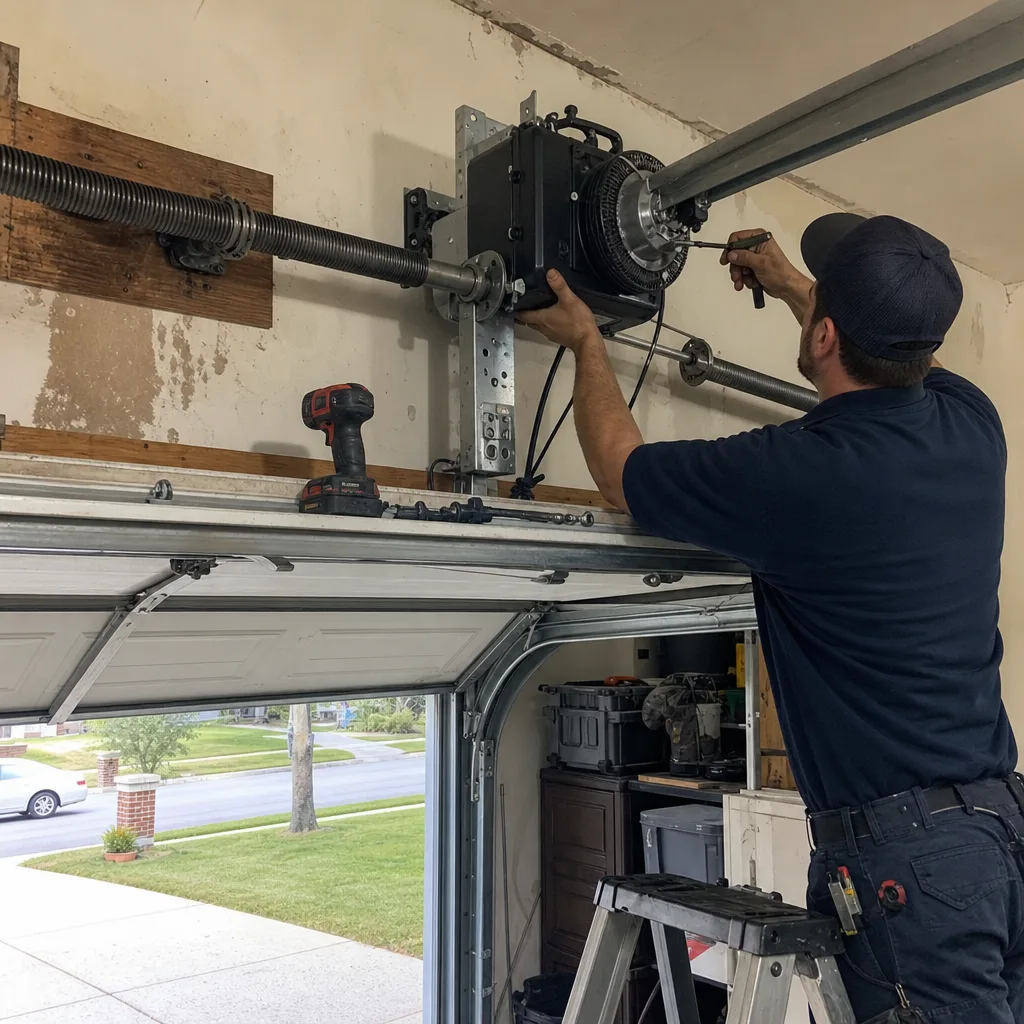
Last updated November 16, 2026
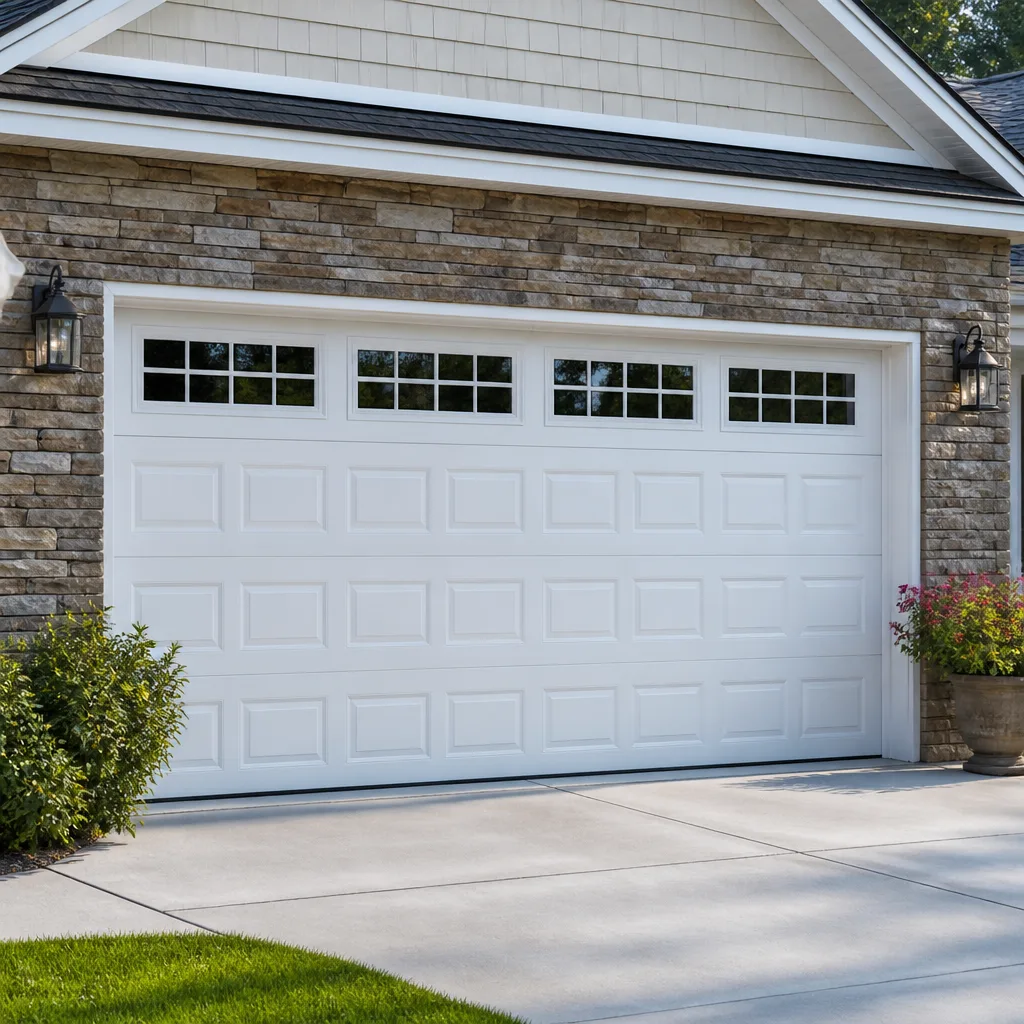 Raised-panel steel
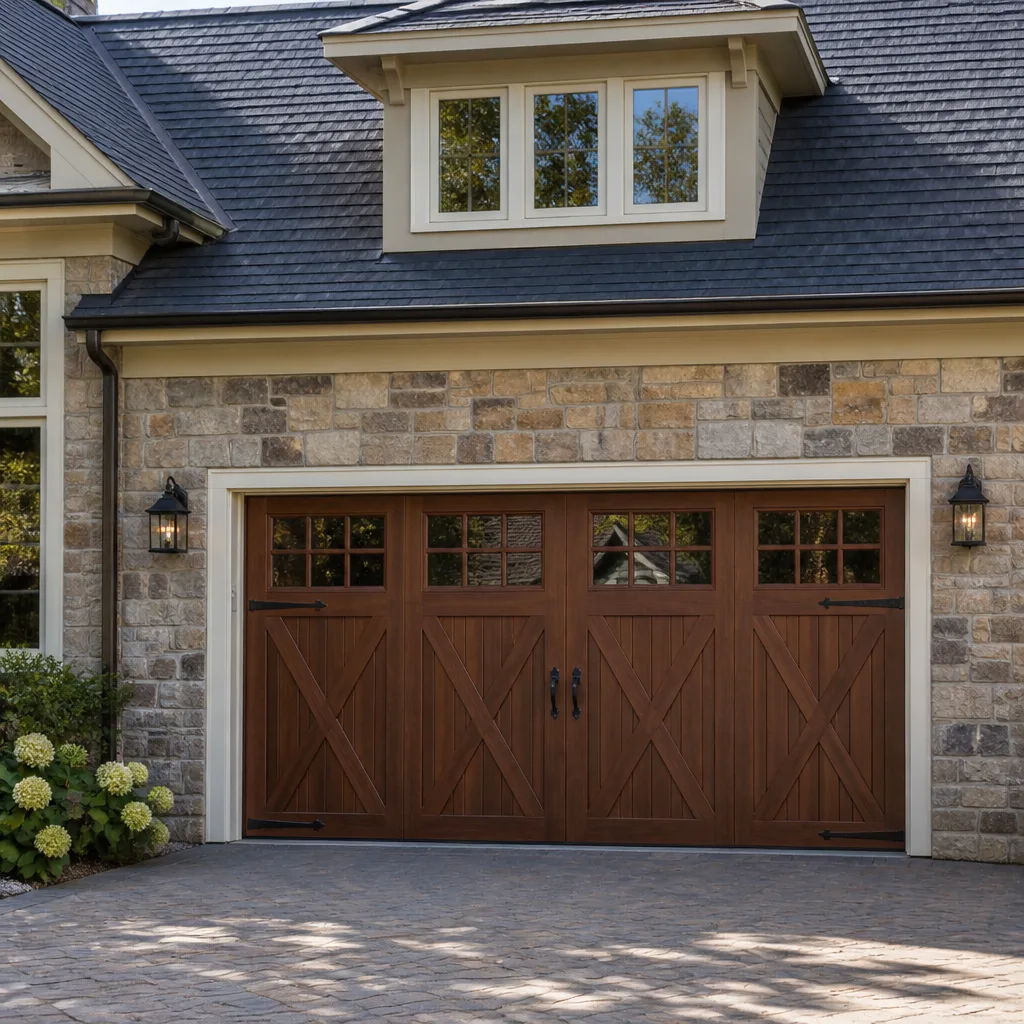 Carriage house
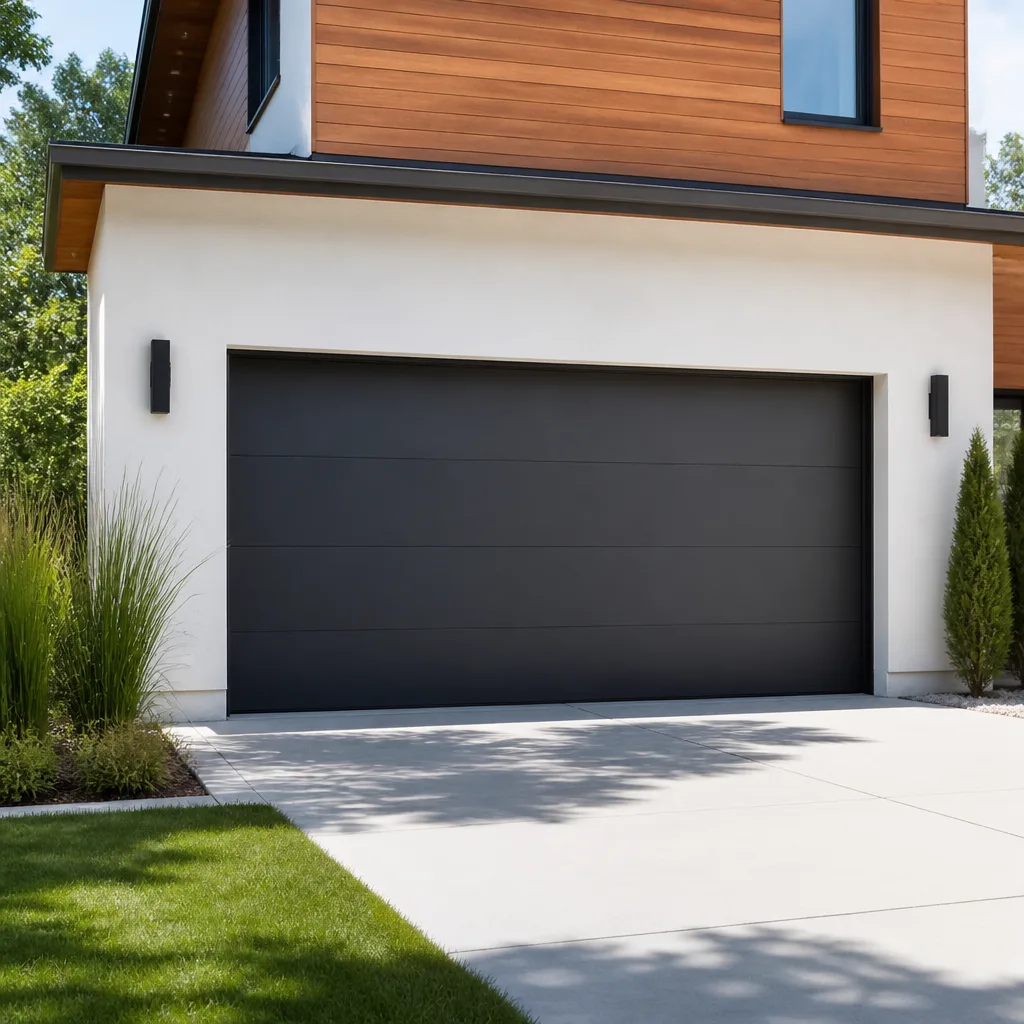 Modern flush
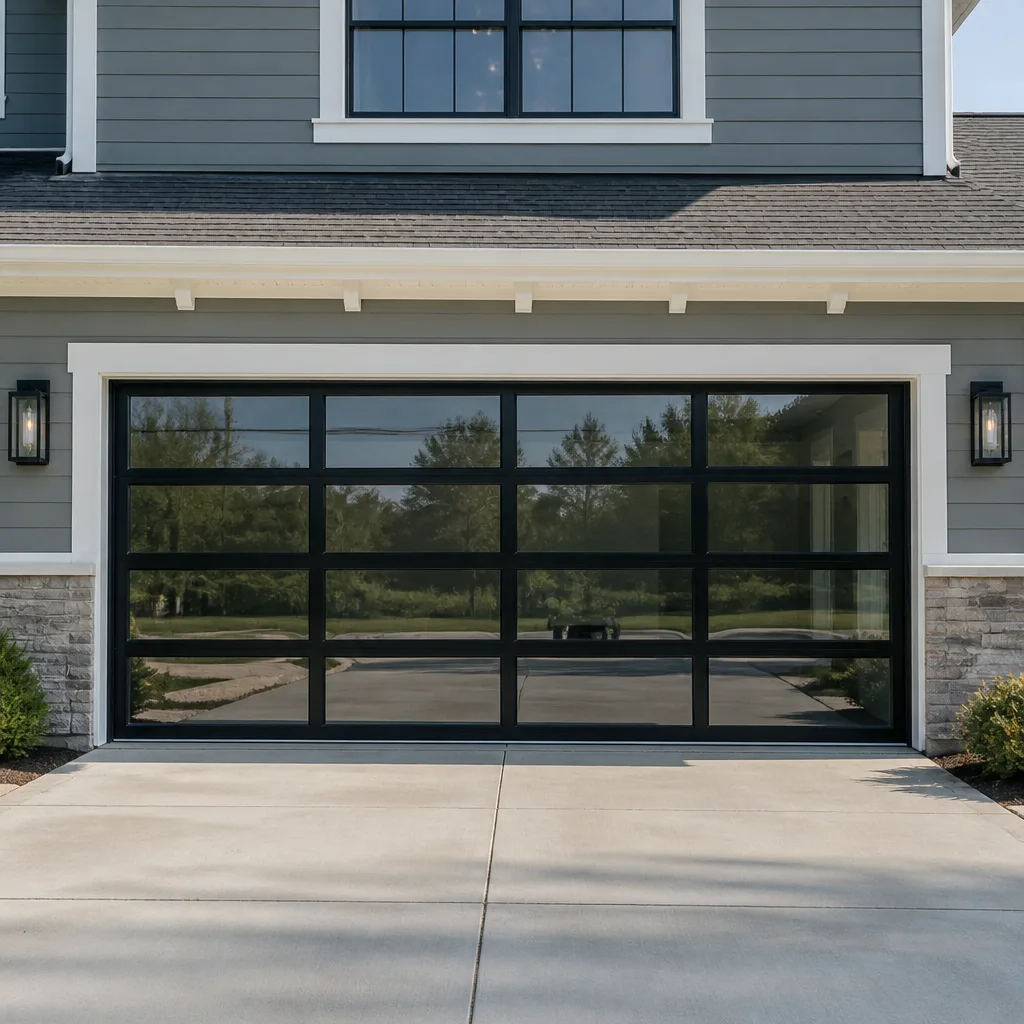 Full-view glass
 LiftMaster openers
 Chamberlain openers
Full 25-point door and opener safety check with every visit - springs, cables, rollers, tracks, and your LiftMaster or Chamberlain opener included
You get a price before we start. It does not change when the pro arrives.
Get your free estimateGarage Door Permits, Codes & Inspections in Warren, MI: What You Need to Know
If you replace a garage door panel-for-panel with identical specs, you likely don’t need a permit in Warren. But change the door size, add windows, or touch the opening framing, even slightly, and that answer flips. The confusion usually runs in both directions: some homeowners skip a permit that’s genuinely required, while others assume a permit is needed for a simple same-size swap and stall a project that would have sailed through. This guide draws the actual line. You’ll learn where Warren’s code treats a replacement as a permitted alteration, what an inspector really looks at, and what a failed inspection can mean down the road.
Styles & brands we work with
- Raised-panel steel
- Carriage house
- Modern flush
- Full-view glass
- LiftMaster openers
- Chamberlain openers
Quick Answer
In Warren, Michigan, a like-for-like garage door replacement (same size, same opening, no structural changes) generally does not require a building permit, while any change to the door size, the header, the framing, or the addition of windows or a new opening typically does. When a permit is required, the work must be inspected before it’s considered complete, and the inspection checks structural attachment, wind-load fastening, spring containment, and the auto-reverse safety feature. When in doubt, the safest move is a quick call to Warren’s building department before the door is ordered.
Table of Contents
- Where Warren Draws the Permit Line
- The Michigan Code Sections That Apply to Garage Doors
- How the Permit Process Works at Warren’s Building Department
- What an Inspector Actually Checks
- What a Failed Inspection Means for Insurance and Resale
- When a Previous Owner Did Unpermitted Work
- How Warren’s Climate and Housing Shape Door Requirements
- What Permit-Related Work Typically Costs in Warren
Where Warren Draws the Permit Line
The dividing line in Warren’s municipal code is structural change, not cosmetic change. If the new door occupies the same opening at the same dimensions and hangs on the same tracks and springs at the same points, it’s treated as a maintenance replacement. If anything about the opening itself moves, the project shifts into alteration territory and a permit applies.
Here’s the practical split we walk homeowners through:
- No permit usually required: swapping a door for one of identical width, height, and thickness; replacing springs, cables, rollers, or hinges; changing an opener; repainting or restaining an existing door.
- Permit typically required: widening or shortening the opening; raising the header height; adding windows where the door’s structural rating changes; converting a manual door to an overhead-track system that alters the framing; changing from a single door to a double.
The window question catches people out. Adding a row of decorative windows sounds cosmetic, but it changes the door’s rated wind resistance, and in a community where wind-load matters, an inspector wants to see that the new door carries the right rating for the opening. The same logic applies when a homeowner upgrades to an insulated door with a different weight profile: the springs and track have to be re-matched, and that’s a structural conversation, not a trim one.
We work on the door you have, including older doors that generalist contractors decline, and part of that job is telling you honestly whether your project crosses the permit line before you order anything. If you’re unsure which side of the line you’re on, ask Warren’s building department directly. It’s a free question and it saves expensive ones later.
The Michigan Code Sections That Apply to Garage Doors
Michigan’s residential code borrows its garage door provisions from the International Residential Code, which the state adopts with amendments. You don’t need to memorize section numbers, but you should know what the code cares about, because those are exactly the items an inspector will look at.
- Wind load. Garage doors are the largest opening on most homes and the most vulnerable to wind pressure. The code requires a door rated for the design wind speed of the location. Warren sits in a part of southeast Michigan where wind events are real, and a door that isn’t rated for the opening’s exposure can fail in a storm.
- Spring containment. Extension and torsion springs store enormous energy. The code requires containment or a break-away configuration so that if a spring fails, the pieces stay attached rather than launching across the garage.
- Auto-reverse. Any opener installed on a residential door must reverse on contact and must have a secondary photoelectric safety feature. This applies to the opener, not the door, but inspectors check it alongside the door because the two work as one system.
- Attachment and fastening. Track brackets, hinges, and the header connection must be fastened to solid framing with the right fasteners. A door hanging on drywall anchors is a red flag on any inspection.
These aren’t obscure rules; they’re the ones that come up on nearly every garage door inspection in Warren. When we install a Clopay or Amarr door, we match the door’s rating to the opening and document the fastening pattern so the inspector’s visit is quick and uneventful. Our technicians have up to 12 years of experience with these checks and know what a Warren inspector expects to see.
How the Permit Process Works at Warren’s Building Department
The permit process itself is not the obstacle most people fear. It’s a sequence of steps, and once you know the order, it’s manageable. Here’s how it typically unfolds for a garage door alteration in Warren.
- Confirm the requirement. Call Warren’s building department with the address, the existing door dimensions, and a description of what’s changing. They’ll tell you whether a permit applies and which application form you need.
- Submit the application. You or your contractor files the application with a description of the work, the door’s specifications, and often a simple drawing of the opening. Product spec sheets showing the door’s wind rating help the reviewer move faster.
- Pay the permit fee. Fees are set by the city and scale with the scope of work. The department will quote the exact amount when the application is filed.
- Complete the work. The door is installed to the approved specs. Any change from the approved plan needs to be re-reviewed before it’s installed, not after.
- Schedule the inspection. Once the work is done, you or the installer requests the inspection. The inspector visits, checks the items listed in the next section, and either signs off or issues a correction list.
- Close the permit. After a passing inspection, the permit is closed and the record stays with the property. That record matters if you ever sell.
Timelines vary with the department’s workload, so build a buffer into your schedule if you’re coordinating a door order with an inspector’s availability. The one thing to avoid is installing first and asking questions later. Unpermitted work is harder and more expensive to unwind than a permit you filed up front.
What an Inspector Actually Checks
An inspector isn’t there to grade your taste in doors. They’re checking that the installation meets the code items above and that the door will behave safely under load. In our experience with Warren inspections, the visit focuses on a consistent set of items.
- The door’s rating matches the approved specs and the opening’s exposure.
- Track brackets and hinges are fastened to framing, not to drywall or paneling.
- Springs are properly contained and matched to the door’s weight.
- The door travels smoothly without binding, and the balance is correct (it should hold position roughly midway when disengaged).
- The opener’s auto-reverse and photoelectric safety features function on test.
- The header and framing changes, if any, match the approved plan.
Most correction lists we encounter are small and fixable: a fastener upgraded, a spring re-matched, a safety sensor realigned. The key is that these corrections are requested by an inspector before the permit closes, not discovered by a buyer’s home inspector years later. A passing inspection is a clean record, and it’s worth having.
What a Failed Inspection Means for Insurance and Resale
A failed inspection is not a catastrophe, but it is a signal you shouldn’t ignore, and the consequences compound if the door is later involved in an incident. The most serious version of this plays out in an insurance claim. If a garage door fails in a wind event or a spring incident and the claim investigation finds the door was altered without a permit and outside code, the insurer may question coverage on that portion of the loss. That’s not a scare tactic; it’s how claims investigations work when documentation is missing.
The resale angle is quieter but just as real. When a buyer’s inspector finds an unpermitted door alteration, the deal can stall while the seller pulls a retroactive permit or, worse, reverses the work. Title and permit records are public, and a missing permit is easy to spot.
The good news: a failing an inspection before the permit closes is a routine fix. You address the correction list, the inspector returns, and the permit closes clean. The failure only becomes a real problem when it’s discovered years later with no paper trail. If you’re replacing a door and want the work done to code and documented from the start, garage door repair and installation both benefit from doing the permit check first.
When a Previous Owner Did Unpermitted Work
This is one of the most common situations we see in Warren, and it’s rarely the current owner’s fault. A previous owner widened the opening, swapped in a heavier door without upgrading the springs, or installed a door with no permit and no inspection. Now you’re the one replacing it, and the irregularities surface.
The process for cleaning this up is straightforward but deliberate:
- Find out what was done and what was permitted. Pull the permit history from Warren’s building department for your address. You’ll see what was filed and what wasn’t.
- Have the existing installation assessed. A technician can tell you whether the framing, springs, and fastening are sound, and whether the current door’s rating matches the opening.
- Decide whether to correct and permit, or replace to code. Sometimes correcting the existing door and filing a retroactive permit is the cheaper path. Sometimes the door is undersized for the opening and replacing it to code is the cleaner answer.
- File the permit for the corrected scope. The permit application describes the work needed to bring the installation into compliance, and the inspection confirms it.
- Keep the paperwork. The closed permit is your proof the installation is compliant, and it’s what protects you at resale.
We’ve walked Warren homeowners through this exact sequence more than once, and the tone matters as much as the steps. There’s no judgment in it; the goal is a door that’s safe, documented, and won’t create a problem when you sell. If you suspect unpermitted work at your address, a free estimate is the easiest way to start.
How Warren’s Climate and Housing Shape Door Requirements
Warren’s weather is not gentle. Southeast Michigan delivers cold winters with repeated freeze-thaw cycles, summer storms with strong wind gusts, and enough seasonal movement to stress any opening in a home’s envelope. That climate shapes what a garage door has to do here, and it’s why the code items above aren’t academic.
Freeze-thaw is the quiet factor. Water gets into small gaps around the opening, freezes, expands, and works at the framing and the fasteners over years. A door that was fastened correctly when installed can loosen if the framing moves, and that’s one reason an inspector looks at the attachment points on any permitted alteration.
Wind is the louder factor. A garage door is a large, flat surface, and a storm event puts real pressure on it. A door rated for the opening’s exposure, properly fastened, sheds that pressure. A door that’s undersized for the opening or hung on inadequate fasteners can buckle, and that’s a structural failure, not a cosmetic one.
Warren’s housing stock includes a lot of mid-century and late-20th-century homes, and many still have the original doors or openers from those eras. Craftsman and Wayne Dalton systems from those decades are common, and they’re exactly the systems generalist contractors turn down. We work on them, and we know which parts of those older installations tend to be under-built and which need the permit conversation before a replacement is ordered.
What Permit-Related Work Typically Costs in Warren
Pricing for garage door work in Warren varies by door size, brand, and the scope of any structural change. The permit fee itself is set by the city and quoted when you file. The table below shows typical ranges for the work itself, so you can plan. These are estimates, and the written quote sets the final price.
| Work | Typical Estimated Range (Warren) |
|---|---|
| Same-size door replacement, no permit, single door | $900 – $1,800 |
| Same-size door replacement with opener, single door | $1,300 – $2,500 |
| Door replacement with framing or opening change (permitted) | $1,800 – $3,500 |
| Double door replacement, same-size, no permit | $1,600 – $3,200 |
| Spring replacement, single torsion spring | $180 – $340 |
| Matched pair of torsion springs | $360 – $680 |
| Opener replacement (belt or chain drive) | $350 – $700 |
Two things to keep straight. First, a spring price above is for one spring; a matched pair is usually replaced together and costs about twice that. Second, the permit fee is separate from the work and quoted by the city when you file. The estimate you get from us is quoted and agreed before any work starts, so the number you approve is the number you pay.
If you’re working with a brand-neutral shop, the quote reflects the door that fits your opening, not the door a particular dealer happens to push. We install Clopay and Amarr doors and service LiftMaster and Chamberlain openers, among others, so the recommendation follows the job. For garage door opener repair, the safety features an inspector checks are part of the diagnosis, not an afterthought.
Common Mistakes to Avoid
- Assuming a permit is always required. A same-size replacement usually isn’t a permitted alteration in Warren. Filing for one you don’t need adds time and cost to a simple swap.
- Assuming a permit is never required. The opposite error is more expensive. Adding windows, changing the opening, or swapping to a heavier door can trigger the permit requirement, and skipping it creates a documentation problem.
- Ordering the door before checking the opening. Warren’s older housing stock often has openings that aren’t quite square or standard. Measure and confirm before the door is ordered, not after it arrives.
- Letting an inspector discover an under-built installation. Fasteners into drywall, springs mismatched to door weight, and missing spring containment are the corrections inspectors most often request. Fix them before the inspection, not after.
- Ignoring the opener’s safety features during a door swap. A new door on an old opener still has to reverse on contact and has to have working photoelectric sensors. The inspector checks the system, not just the door.
- Failing to keep the closed permit. The paperwork is the proof. Without it, the next buyer’s inspector will treat the work as unpermitted, whether or not it was done correctly.
- Calling the permit office only after the work is done. A retroactive permit is possible, but it’s slower and it signals a problem. File up front when a permit applies.
When to Call a Professional
Some garage door checks are within reach for a careful homeowner: the visual inspection of fasteners, the balance test with the door disengaged, and confirming the opener’s sensors are clear. But several situations warrant a trained technician, and not just for convenience. A torsion spring stores enough energy to cause serious injury, and an opener wired incorrectly is an electrical hazard. If your project involves changing the opening, altering framing, or installing a heavier door, the structural and code questions are best answered by someone who does this daily and can document the work for an inspector.
Warren Garage Door Service offers free estimates in Warren. Call (866) 942-9754 and we’ll tell you honestly whether your project crosses the permit line and what the work will take.
Frequently Asked Questions
Not if the replacement is the same size and spec and doesn’t change the opening. If the door size, framing, header, or windows change, a permit is typically required. Call Warren’s building department to confirm your specific project, or call us at (866) 942-9754 for a free assessment.
The permit fee is set by the city and scales with the scope of work; the building department quotes the exact amount when you file. It’s separate from the installation cost. Call (866) 942-9754 for a free estimate on the work itself.
An inspector checks the door’s wind rating against the opening, the fastening of tracks and hinges to framing, spring containment, the door’s balance and travel, and the opener’s auto-reverse and photoelectric safety features. Passing means the work matches the approved plan and the code items above.
You get a correction list, you fix the items, and the inspector returns. Failing before the permit closes is routine and fixable. The serious version is discovering unpermitted work years later with no paper trail, which can complicate an insurance claim or a sale.
Pull the permit history, have the installation assessed, and decide whether to correct and permit the existing door or replace it to code. A closed permit protects you at resale. Call (866) 942-9754 and we’ll walk you through the options.
It can, if the door is later involved in an incident and the claim investigation finds the work was altered outside code without a permit. Getting the installation documented and permitted is the surest way to avoid that. Call (866) 942-9754 for a free estimate.
The Bottom Line
The permit question in Warren comes down to one test: did the opening change? A like-for-like replacement usually doesn’t need a permit. A change in size, framing, header, or windows typically does, and the inspection that follows is the safety net. Michigan’s code cares about wind load, spring containment, and auto-reverse, and those are exactly what an inspector checks. Skipping a permit you needed creates a documented gap that can surface in an insurance claim or a sale; filing one you didn’t need just adds time. When in doubt, ask before you order. We service Warren and the surrounding area, and we’re glad to help you get it right.
For a free estimate or a straight answer on your project, call (866) 942-9754. We answer 24/7. Fast dispatch from 7am to 7pm, Sunday through Friday. You can also start with Warren Garage Door Service to learn more about how we work.
Written by the team at Warren Garage Door Service.
See the difference
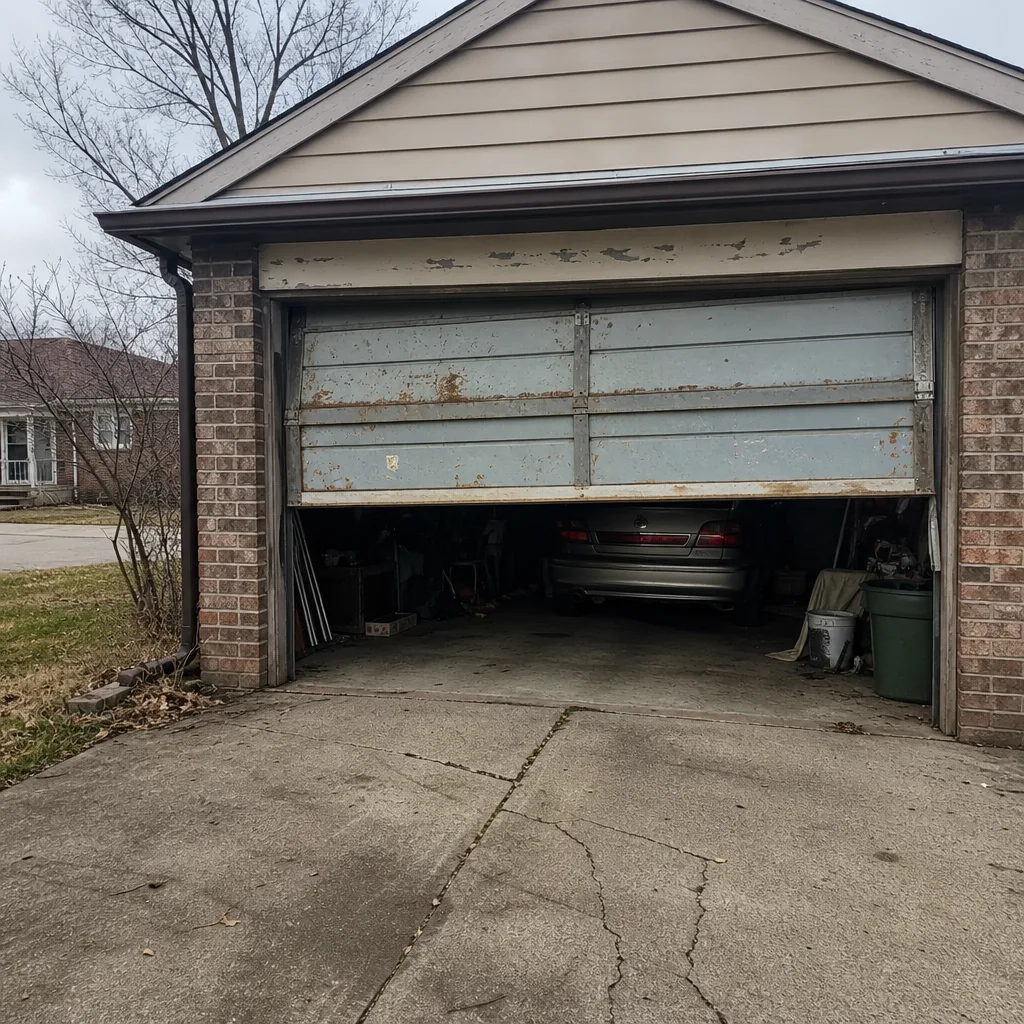 Before
 After
 Before
 After
 Before
 After