
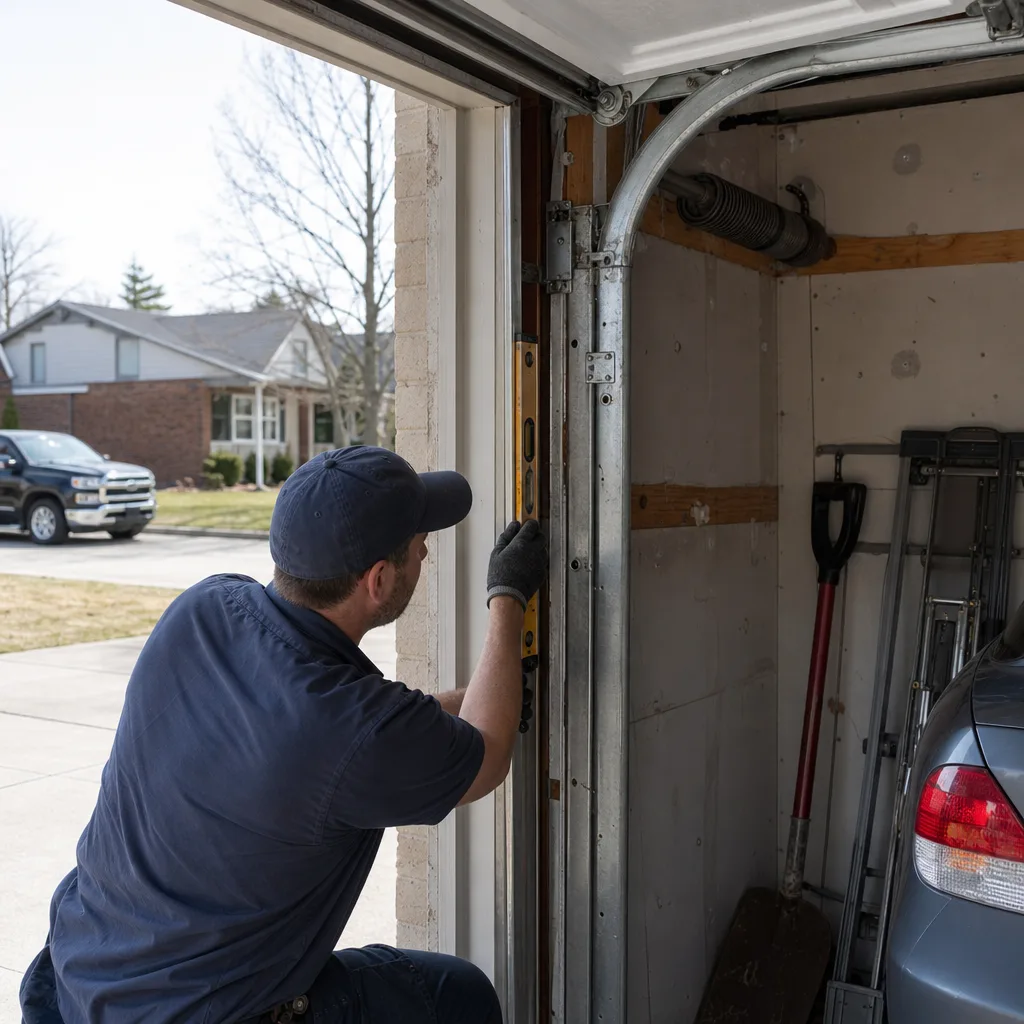
Last updated November 16, 2026
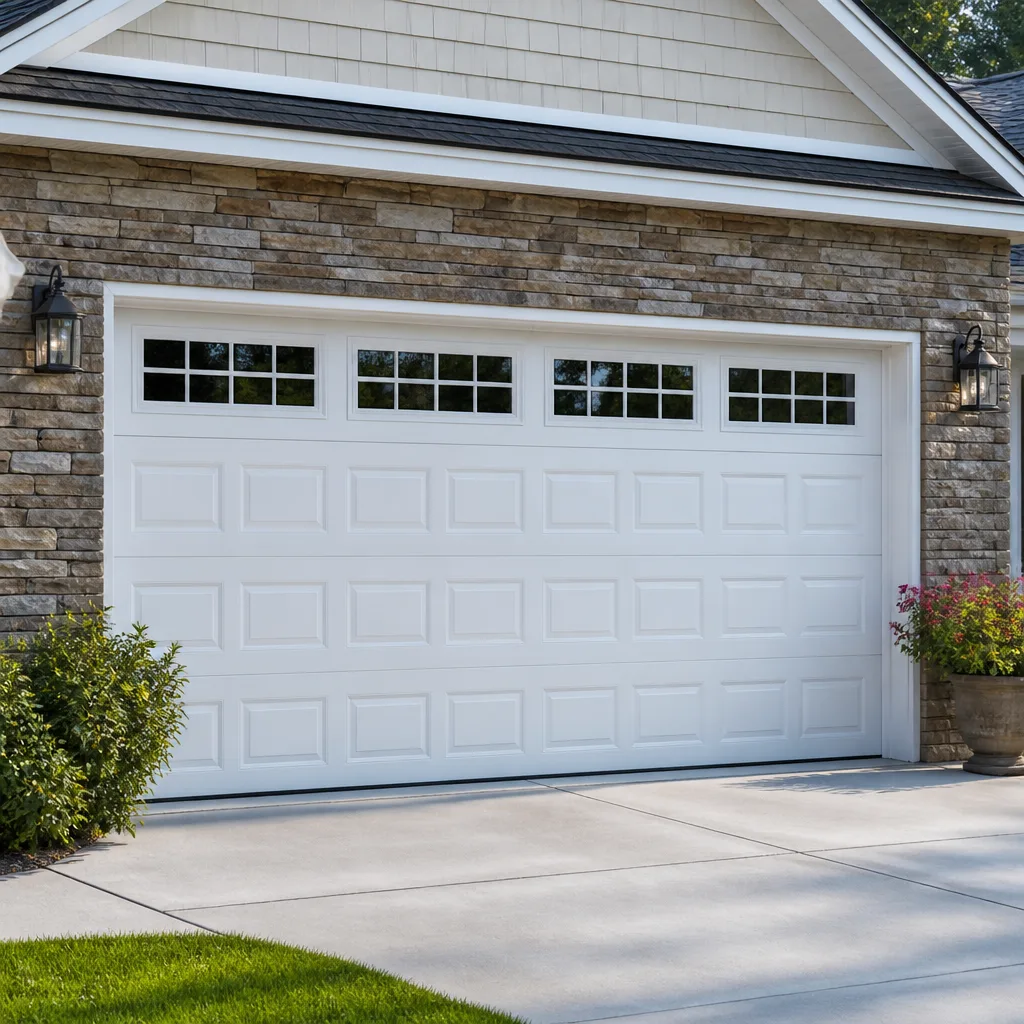 Raised-panel steel
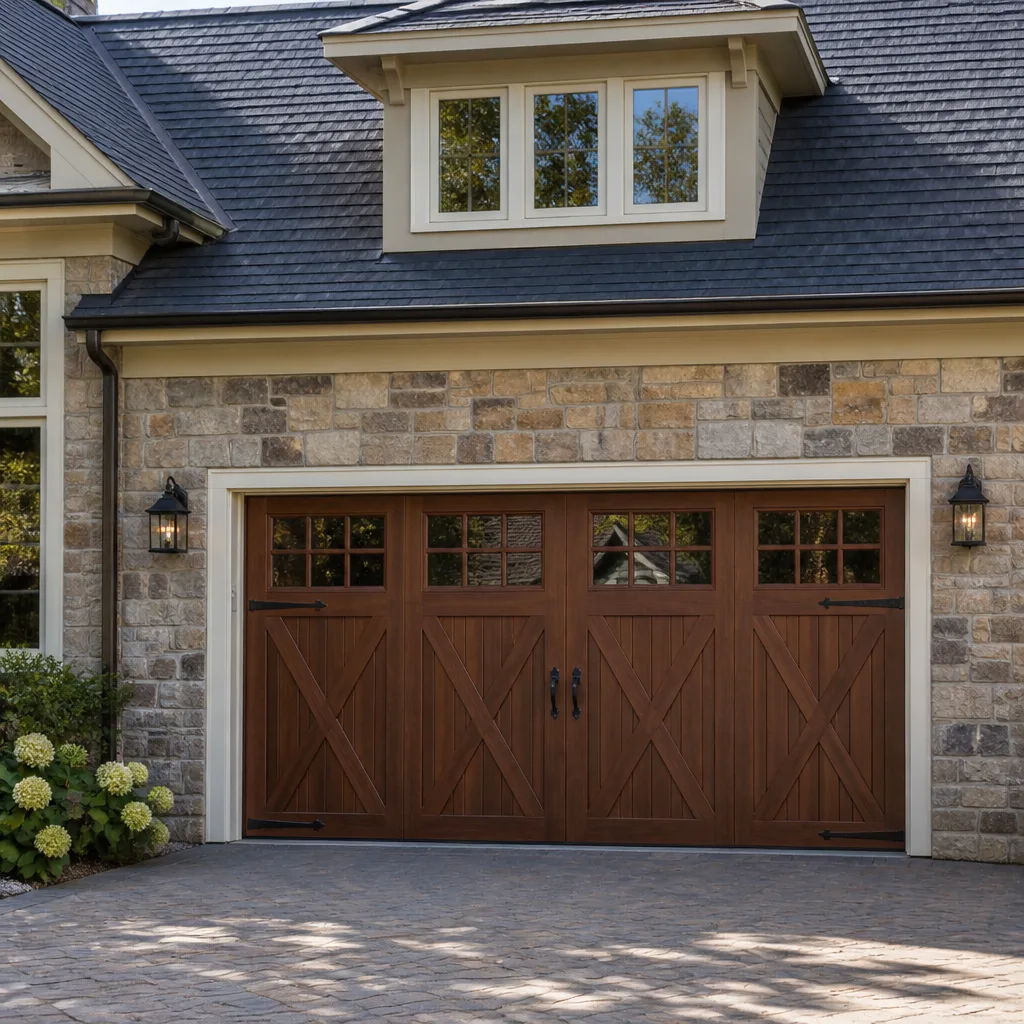 Carriage house
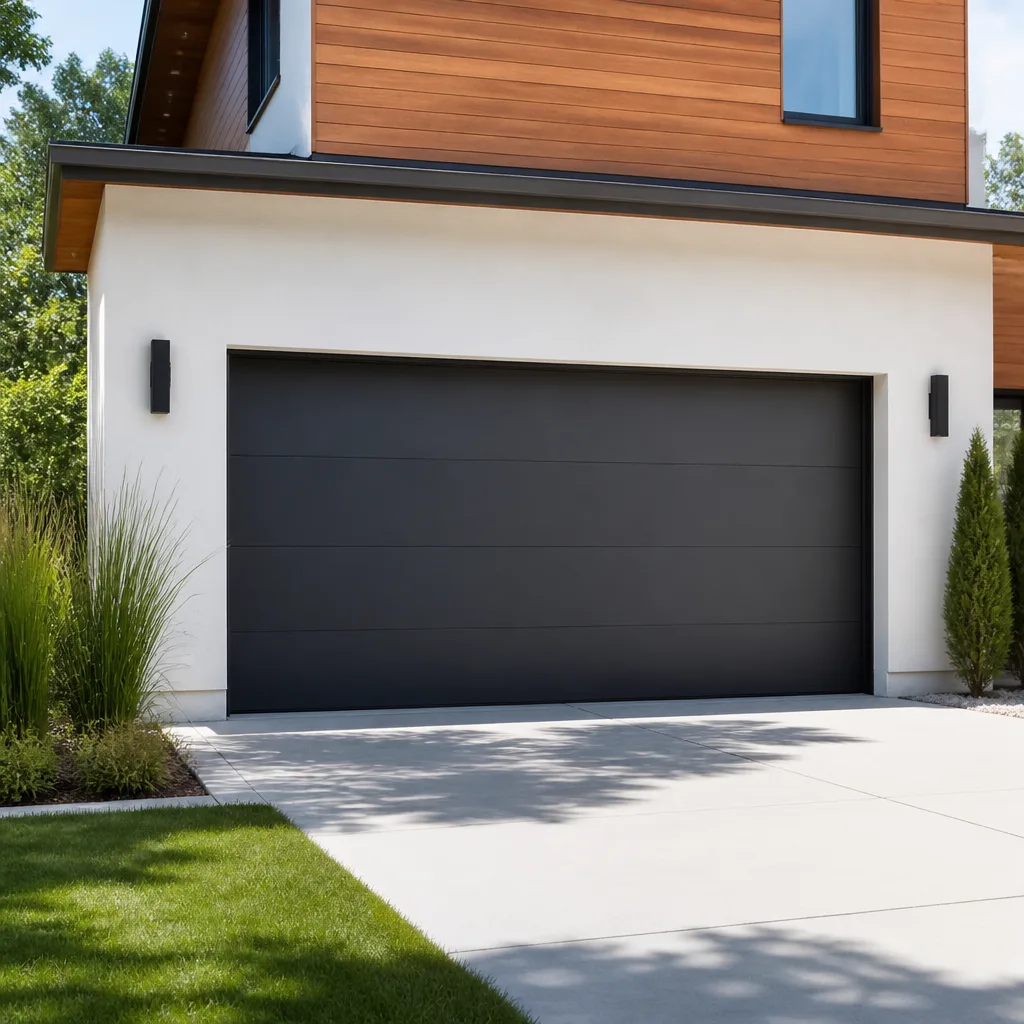 Modern flush
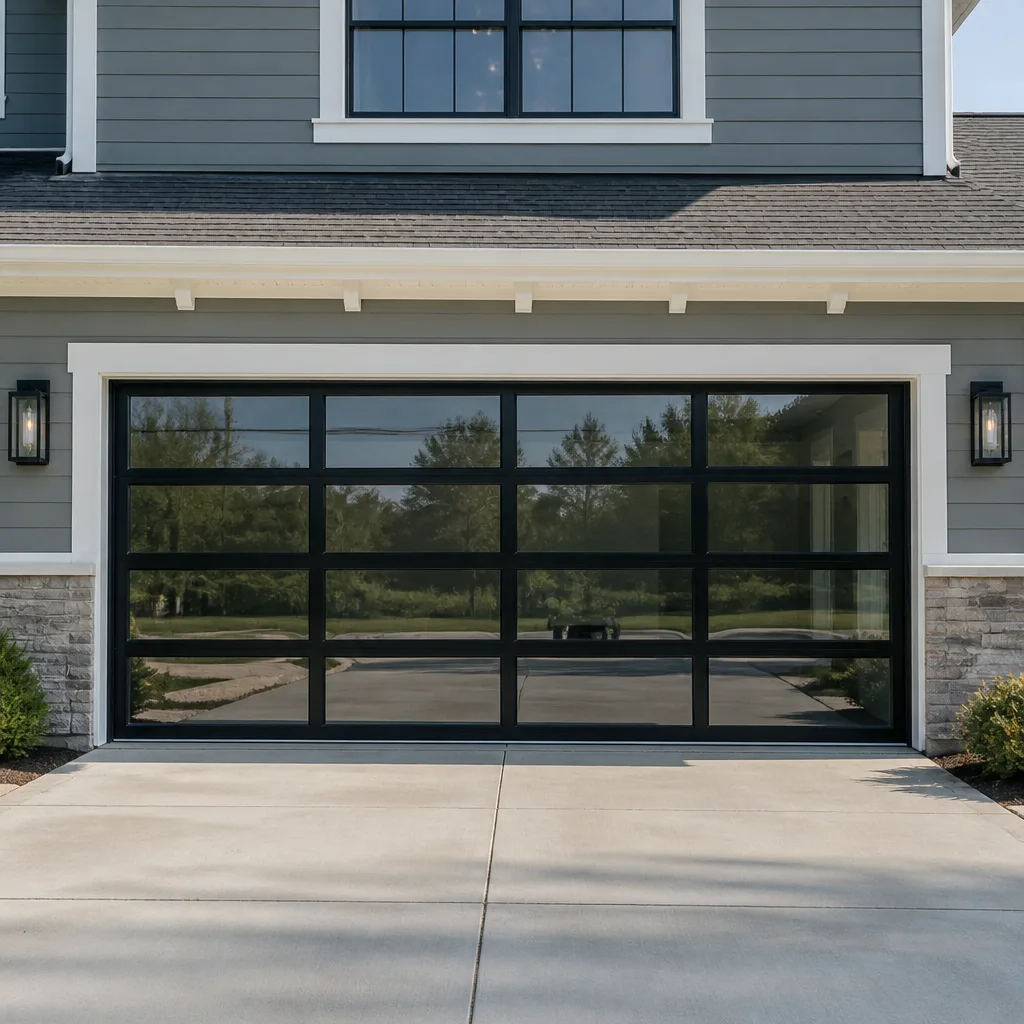 Full-view glass
 LiftMaster openers
 Chamberlain openers
Full 25-point door and opener safety check with every visit - springs, cables, rollers, tracks, and your LiftMaster or Chamberlain opener included
You get a price before we start. It does not change when the pro arrives.
Get your free estimateChoosing the Right Garage Door Brand: A Buyer’s Guide for Warren
Most homeowners in Warren start their garage door search by asking which brand is best. That’s the wrong first question. The brand name stamped on the panel tells you less about how a door will hold up here than three specs buried on the spec sheet: steel gauge, insulation R-value, and the quality of the weather seal. A builder-grade door from Clopay and a premium door from Clopay are different products that share a logo. This guide teaches you to read those specs, spot the marketing language that hides them, and evaluate any brand on how it will actually perform in Warren’s climate. You’ll also learn why your door brand and opener brand don’t need to match, and how to check whether a brand’s parts will still be available when you need them.
Quick Answer
In Warren, the right garage door brand is the one whose product tier gives you a heavy enough steel gauge, real insulation fill, and a seal built for freeze-thaw winters – and whose replacement parts are easy to source here. Clopay, Amarr, Wayne Dalton, and Raynor all make doors that perform well in this climate, but each one also sells a cheap builder line that won’t. Evaluate the specific model and its numbers, not the brand reputation. Where a brand refuses to publish gauge and R-value, that silence is your answer.
Styles & brands we work with
- Raised-panel steel
- Carriage house
- Modern flush
- Full-view glass
- LiftMaster openers
- Chamberlain openers
Table of Contents
- The Four Specs That Actually Predict Performance in Warren
- How to Read a Garage Door Spec Sheet (and Where Brands Get Clever)
- Clopay, Amarr, Wayne Dalton, and Raynor: What Actually Differs
- Your Door Brand and Opener Brand Don’t Need to Match
- How to Check Parts Availability Before You Buy
- Questions to Ask Any Dealer About Warren’s Climate
- Why Installation Quality Beats Brand Every Time
- Repair or Replace? How to Decide
The Four Specs That Actually Predict Performance in Warren
Four measurements on a garage door spec sheet tell you nearly everything about how the door will hold up through a Warren winter. They matter more than the badge on the front because they vary just as widely inside a single brand’s catalog as they do between brands. Ask for all four in writing before you compare prices.
- Steel gauge. This is the thickness of the steel skin, and lower numbers mean thicker steel. A 24-gauge door dents from a stray basketball or a car door bump; a 27-gauge door shrugs it off. Builder lines often hide the gauge entirely, which usually means it’s the thinnest they can get away with.
- Insulation R-value. R-value measures resistance to heat flow. An uninsulated door is basically a hole in your wall; a properly filled door slows heat loss from the attached garage into the house in January and keeps the garage cooler in July. The number should be printed on the spec sheet, not implied.
- Weather seal type. Warren’s freeze-thaw cycle is hard on seals. A door needs a bottom seal that stays flexible well below freezing and perimeter seals that close the gaps at the sides and top. Cheap vinyl stiffens and cracks; a quality seal keeps cold air and snowmelt out year after year.
- Finish coating. The paint system, not the color, is what stops rust at the bottom panel where road salt and slush collect. Look for a factory finish applied to galvanized steel, and check how the manufacturer warranties the finish against rust-through.
Notice none of these four appear in a brand slogan. That’s the point. A door with good numbers from a mid-tier brand will outperform a door with bad numbers from a famous one, every winter, in Warren.
How to Read a Garage Door Spec Sheet (and Where Brands Get Clever)
Spec sheets are written to sell, and the wording games are consistent across the industry. Once you learn the three phrases that do the most hiding, you can read any manufacturer’s sheet in Warren the same way. Bring the sheet to your estimate and make the dealer walk through it line by line.
Watch for “two-layer” and “sandwich” construction
These terms often describe a steel skin with a thin layer of polystyrene foam behind it. It’s better than nothing, but polystyrene has a much lower R-value per inch than polyurethane, and it’s often just tacked in. True polyurethane fill is injected between two steel skins and bonded to both. A “two-layer” door can look identical on the showroom floor and perform far worse in a Warren January. If the sheet doesn’t say polyurethane, ask.
Watch for R-values quoted per inch
A door with a high R-value stated “per inch” can sound impressive until you notice it doesn’t tell you the door’s actual R-value. What you want is the assembled door rating, sometimes labeled “calculated R-value.” If a brand only quotes per-inch numbers, that door’s real rating is almost certainly lower than the marketing suggests.
Watch for the missing gauge
The single most telling omission on a spec sheet is the steel gauge. A manufacturer proud of its steel prints the gauge in bold. A manufacturer selling a thin builder door often leaves it out and substitutes language about “durable steel construction.” Treat that as a no.
One more trick: sample doors in a showroom are almost always the premium model, rigged with every upgrade. The price the dealer quotes you may be for a completely different, much thinner model. Ask to see the spec sheet for the exact model and size quoted, not the display.
Clopay, Amarr, Wayne Dalton, and Raynor: What Actually Differs
The four brands you’ll see most often on Warren homes and in local showrooms each build a full range, from builder-grade to insulated premium. Here’s how they actually differ in ways that matter, not the talking points a dealer repeats from a brochure.
- Clopay has the widest catalog of the group and is one of the most widely installed brands. The range is also the widest, which means the name alone doesn’t tell you much. A Clopay builder line and a Clopay premium insulated line share a logo and almost nothing else. When you hear “Clopay,” ask which series and get the gauge and R-value for that exact series.
- Amarr builds a solid, straightforward product with a reputation for consistent steel work. Its premium insulated doors are strong performers in cold climates. The trap is the same as with any brand: the entry models are thin. Amarr’s finish warranties have historically been generous, which matters at the bottom panel where Warren road salt does its work.
- Wayne Dalton is common on Michigan homes built in the 1990s and 2000s. Their traditional steel doors are fine, and parts are generally easy to find. They also build some designs and lighter-duty lines that are worth a second look before you commit; the mainstream steel doors are the safer bet, and we see plenty of them still working across Warren.
- Raynor tends to emphasize durability and a tighter product range. Their insulated doors are built to last and their hardware holds up well. On a spec sheet, Raynor is usually forthright about construction details, which makes comparison easier. The trade-off is often a narrower choice of styles.
The consistent thread across all four brands: entry-level anything is an entry-level door, and the badge won’t save it. Focus on what the specific model is made of.
Your Door Brand and Opener Brand Don’t Need to Match
Here’s a question we field constantly: if our new door is a Clopay, does the opener have to be too? No. Garage doors and openers are separate products that work together through a few standard dimensions – door weight, track and hinge layout, and the opener’s lifting capacity. They don’t share a manufacturer. Buy the best door for your budget and the best opener for your door, and they’ll get along fine regardless of brand.
What actually matters is that the opener is correctly paired to the door’s weight and travel. A modern opener from LiftMaster, Chamberlain, Genie, or Craftsman will operate a Clopay, Amarr, Wayne Dalton, or Raynor door without complaint, provided the door is balanced and the opener is rated for it. The one thing to check: some older or lighter-weight openers struggle with heavier insulated doors. If you’re upgrading the door, tell whoever installs it what opener you have; we do this as part of our garage door opener repair work all the time.
And if your opener is older or misbehaving, the opener brand is one we can service. Craftsman units from the 1990s and early 2000s are still in a lot of Warren garages, and generalist contractors often skip them. We don’t. Your opener brand is covered.
How to Check Parts Availability Before You Buy
A garage door isn’t a one-time purchase; it’s a 20-year relationship with a set of moving parts. Hinges, rollers, springs, bottom seals, and cable drums all wear out and need replacing. If a brand stops stocking a parts line or goes out of business, you end up paying for custom-sourced parts or a full door replacement when one hinge fails. That’s a far bigger risk than picking the “wrong” logo.
Here’s how to evaluate parts availability in the Warren area before you commit:
- Ask the dealer how long replacement parts are guaranteed. Brands should be able to state how long hardware and seals will be available. If nobody can answer, that’s your answer.
- Check how many local installers service that brand. A brand with a single dealer in the county is a brand you can’t repair independently. The major brands you see everywhere – Clopay, Amarr, Wayne Dalton, Raynor – have broad support in and around Warren.
- Ask about discontinued models. If the model you’re considering is being phased out, parts may follow. Ask when the line launched and whether a replacement is imminent.
- Know the common failure parts. On any door, springs, hinges, and rollers will fail first. Confirm those specific parts are stocked or quickly shippable before signing.
- Look for open industry standards. Standard track gauges and hinge patterns make aftermarket parts easier to find. A door with proprietary hardware is harder to repair later.
This is also why we work on the brands we do. LiftMaster, Chamberlain, Genie, Clopay, Amarr, Wayne Dalton, Craftsman, and Raynor cover the vast majority of doors already installed in Warren homes, and their parts are straightforward to source. When we service a garage door repair call, we aren’t hunting down a part from a brand nobody carries.
Questions to Ask Any Dealer About Warren’s Climate
Warren’s winters are the test every garage door eventually faces. Freeze-thaw cycles work on seals and bottom panels, road salt collects at the door’s base, and the temperature swing between seasons stresses hardware. A dealer who knows this and can speak to it plainly is a dealer worth talking to. Here are the questions to ask, and what a good answer sounds like.
- “What’s the R-value of the assembled door, not per inch?” A good answer gives you the full-model rating. A weak answer quotes per-inch numbers or changes the subject.
- “What gauge is the bottom panel?” The bottom panel matters most because it takes the most abuse from salt, slush, and dings. If they don’t know the gauge, they don’t know the door.
- “What seal system do you use, and how does it handle freeze-thaw?” A good answer talks about flexible bottom seals and perimeter weatherstripping built for cold. A weak answer points at the door and says “it’s insulated.”
- “How is the finish warranted against rust-through?” At Warren’s salt levels, the finish warranty is the number that counts on the steel skin.
- “Which models do you see coming back for repair in this area?” A local dealer knows which spec ranges fail and which hold up. If they can’t answer, they haven’t been around Warren winters long enough.
Bring these to your estimate. We welcome them, because the conversation should be about what the door is made of, not what the brochure says.
Why Installation Quality Beats Brand Every Time
You can buy the best-specified door on the market and still have it fail early if it’s installed poorly. The single most common reason a garage door underperforms in Warren isn’t the brand. It’s the installation: springs set to the wrong tension, tracks out of plumb, hinges bound, seals compressed or gapped. A well-installed mid-range door will outlast a badly installed premium one every time.
What does a proper installation actually involve? Leveling the tracks within a small tolerance, setting spring tension to the exact weight of the door, aligning hinges so the panels travel flat, and confirming the seals touch evenly across the full width. Then there’s the balancing test: with the opener disconnected, a correctly balanced door should sit still at any point in its travel and lift with one hand. If it drifts or fights you, the installation or the springs are off.
This is also where the installer’s experience with the brand shows up. Our technicians have up to 12 years of experience, and installing insulated steel doors in a cold climate is a different job than putting up a builder-grade door. The door you pick matters. The person who installs it matters as much.
If you’re weighing a new installation in Warren, we’re happy to talk through what your door needs and put the whole thing in writing before any work starts.
Repair or Replace? How to Decide
Not every creaky door needs to be replaced, and a door well into its second decade with a good spec sheet is often worth repairing. The decision comes down to three things: the door’s construction quality, the cost of the repair relative to a new door, and how well the existing door meets your needs for insulation and security. A 24-gauge builder door with failing seals is a different calculation than a well-built insulated door with a snapped spring.
Here’s how to think through it:
- A single failed part on a solid door is almost always worth repairing. Springs, cables, hinges, and rollers fail with normal wear. A door with good steel and real insulation is worth fixing.
- Repeated hardware failures on a thin door point toward replacement. When a low-gauge door starts denting and its hardware keeps loosening, you’re fighting the construction, not the parts.
- Cracks in the panels themselves can’t be repaired. If the steel skin is cracked or rusted through at the bottom, replacement is the honest answer.
- Poor insulation is a replacement reason, not a repair reason. If your garage feels like an icebox and the door is a single-layer builder model, new insulated door is the upgrade that pays back in comfort.
Our model is simple: repair first, replace only when it’s the better answer. A door that can be made safe and reliable for a fraction of the cost of a new one should be, regardless of brand. We’ll tell you which one you’re looking at, straight.
Common Mistakes to Avoid
- Buying by brand name instead of spec sheet. Two doors from the same manufacturer can be $1,000 apart in soundness and share only the logo. Ask for the gauge, R-value, and construction of the exact model you’re buying.
- Believing a showroom sample matches the quoted model. Samples are rigged with premium finishes and upgrades. Get the spec sheet for the size and model you’re paying for, not what’s on the floor.
- Ignoring the bottom panel on a Warren door. Salt and slush collect at the base and rust starts there first. The finish warranty on that bottom panel matters more than the paint color.
- Assuming the opener has to match the door brand. It doesn’t. You’ll get a better overall result choosing the best door and the best opener separately.
- Skipping the parts availability question. A discontinued parts line turns a broken hinge into a custom-ordered headache five years from now. Ask up front.
- Letting price alone pick the door. The cheapest door on the quote is almost always the thinnest one with the least insulation. It will cost more to heat and cool, not less to own.
- Choosing an installer by brand instead of by track record. A beautifully specified door installed badly will fail early. Ask about the installer’s balancing and spring-tension practice, not just the door brand.
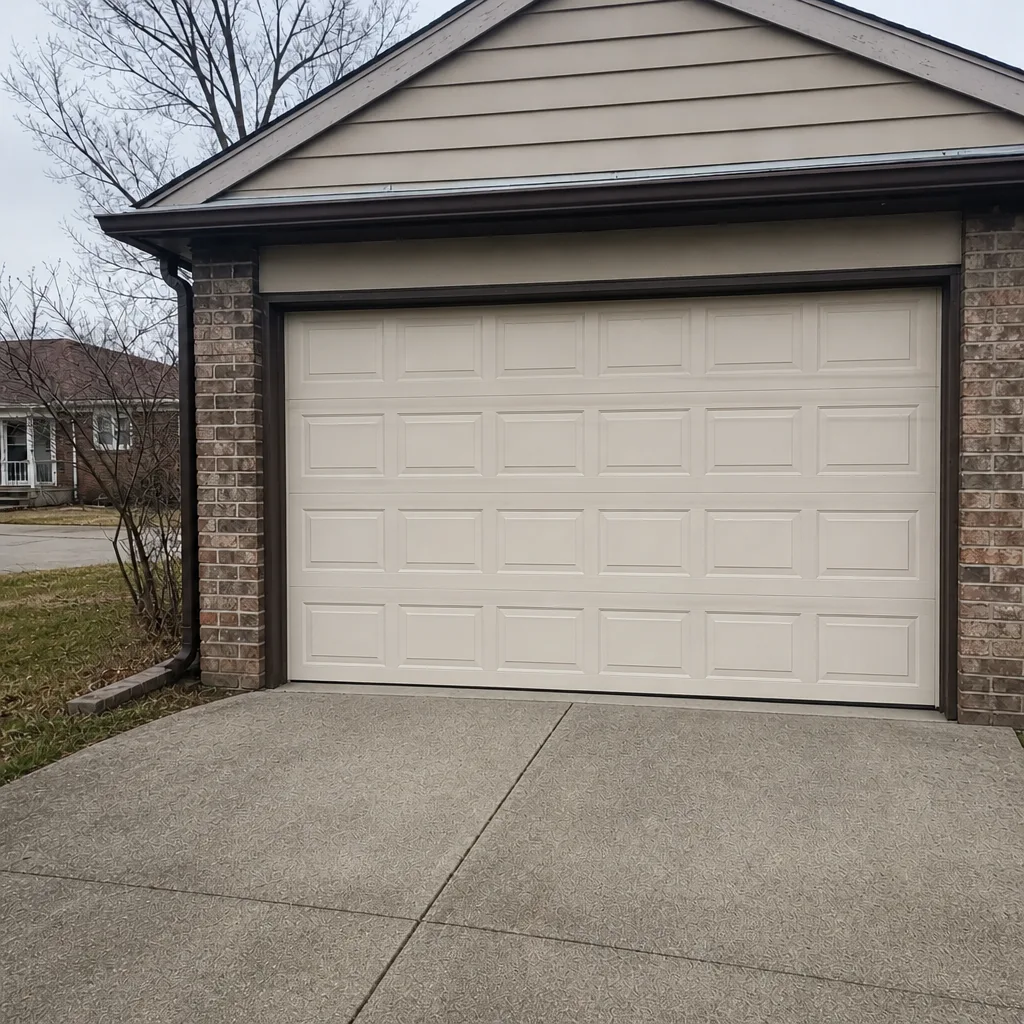
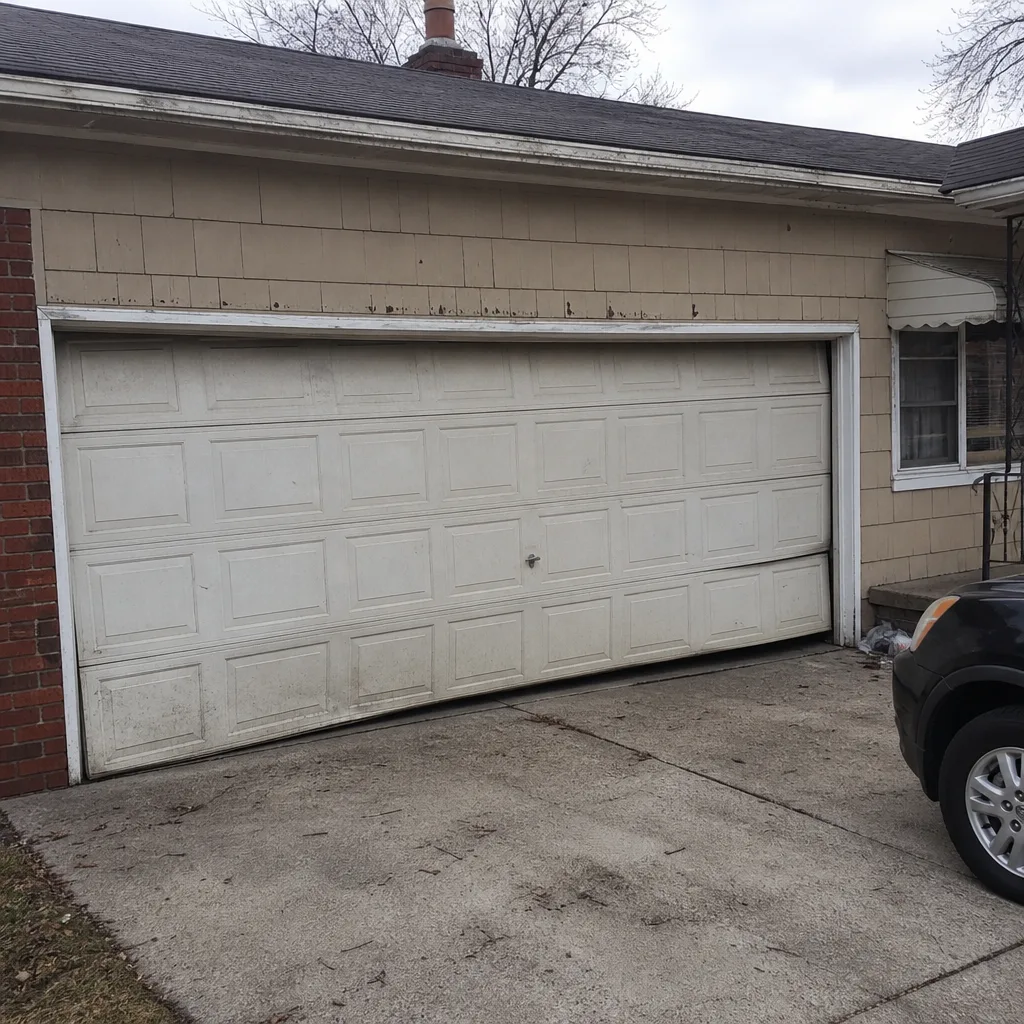
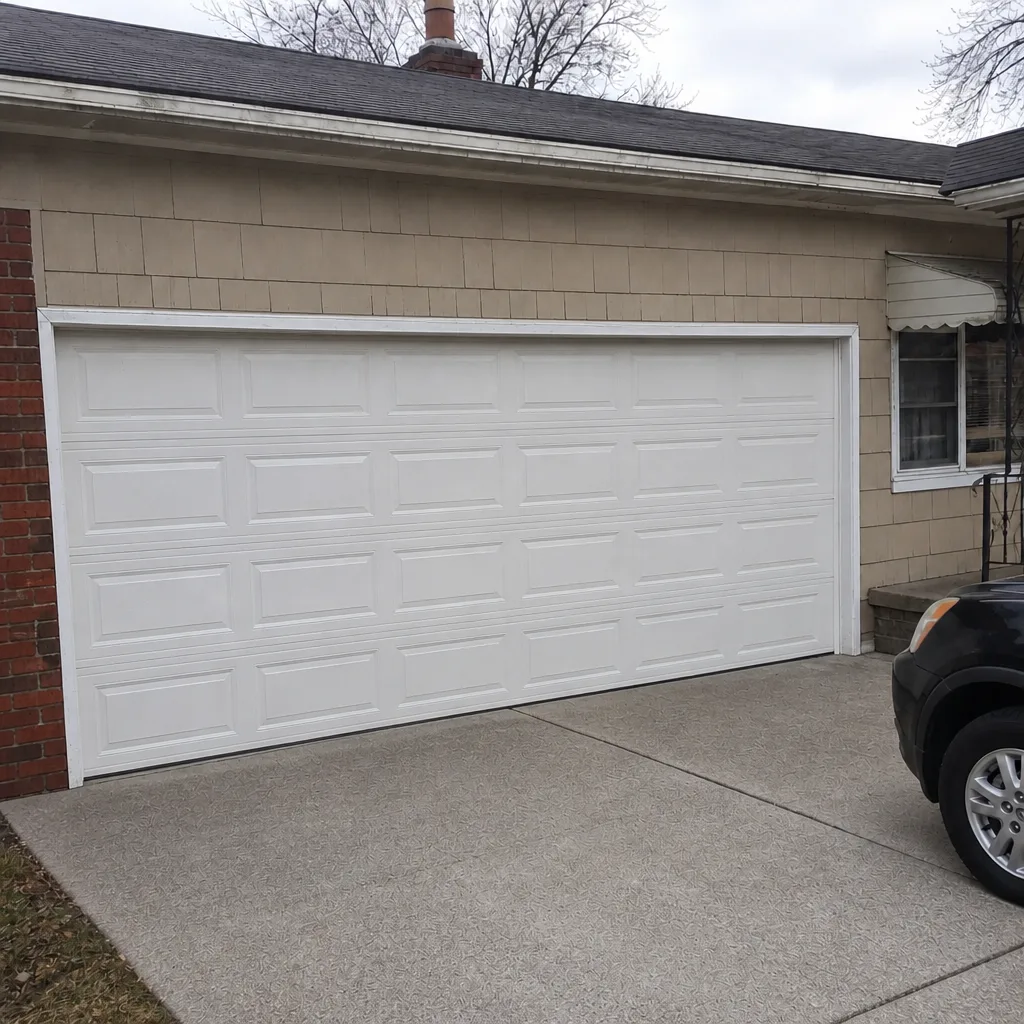
See the difference
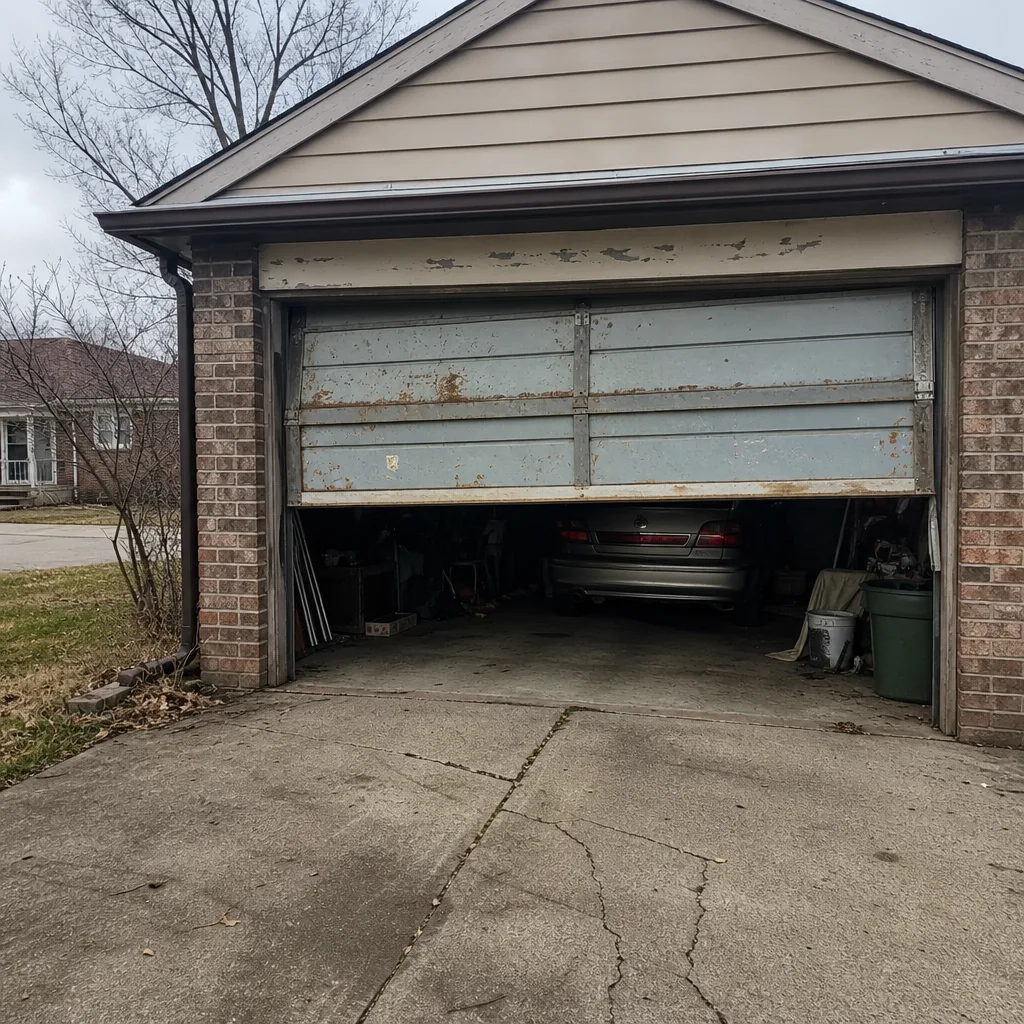 Before
 After
 Before
 After
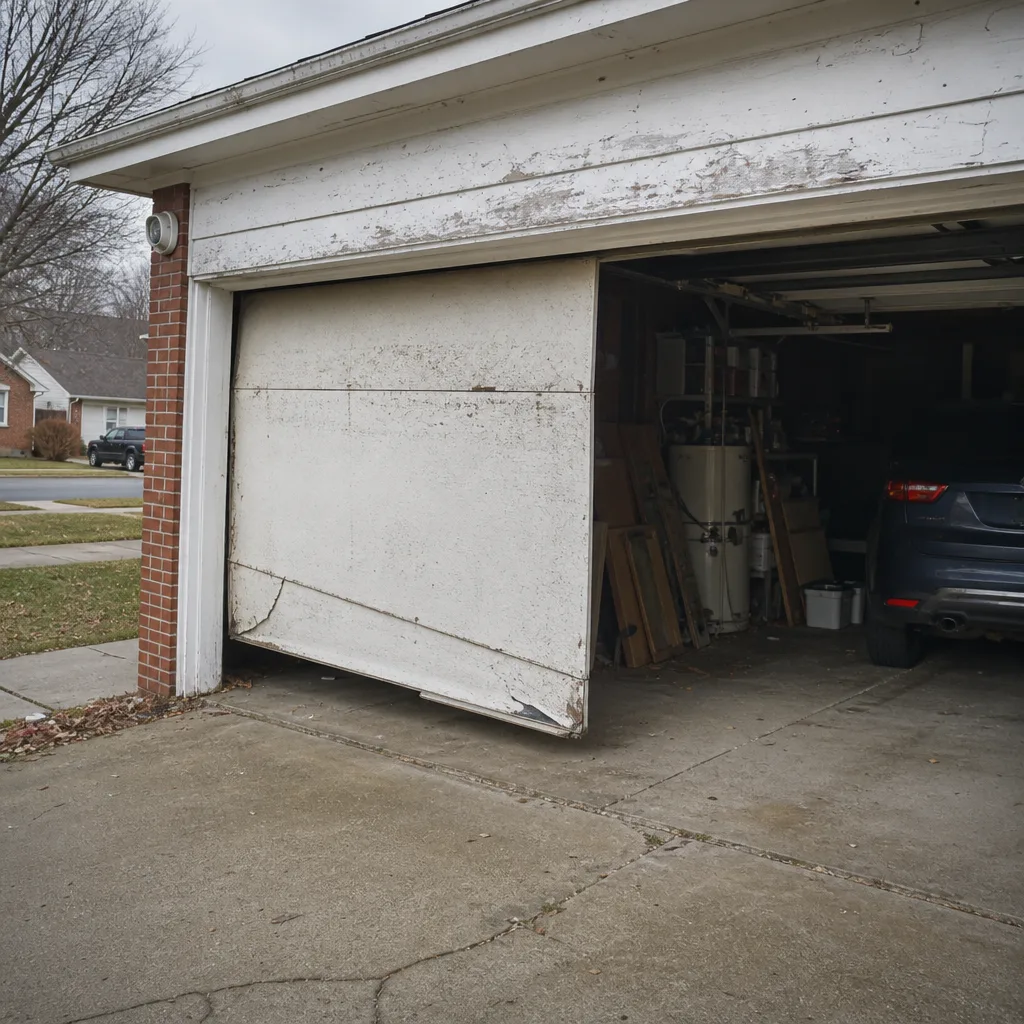 Before
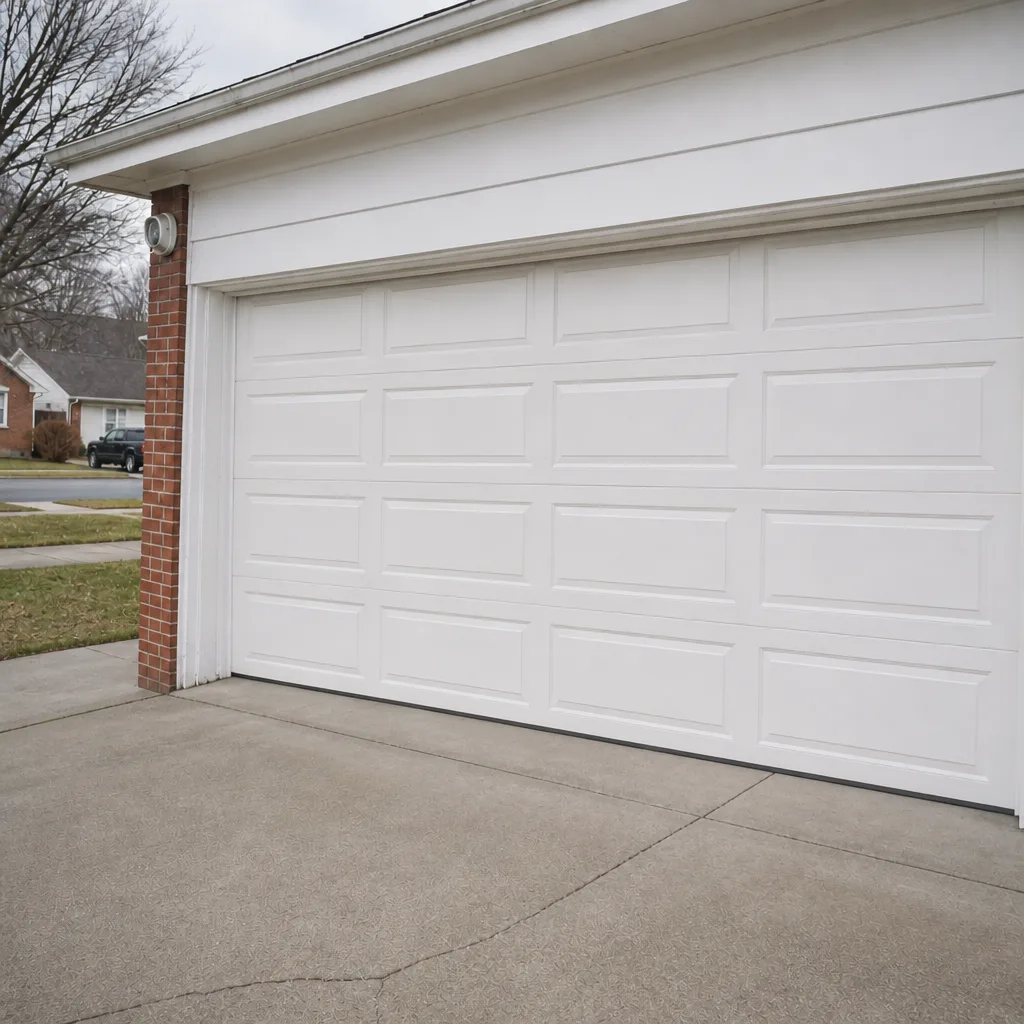 After
When to Call a Professional
Some garage door work is genuinely a professional call, full stop. Springs under tension are dangerous and can cause serious injury, so never attempt to adjust or replace them yourself. If your door is off its tracks, if the cables are frayed, if the opener runs but the door doesn’t move, or if the door comes down unevenly or all at once, that’s time to call. Any work involving the springs, cables, or the opener’s high-voltage wiring should go to a trained technician with the right tools and safety practice.
We can work with the door and opener you already own, diagnose the actual problem, and tell you honestly whether repair or replacement makes sense. Warren Garage Door Service offers free estimates in Warren. Call (866) 942-9754 – we answer 24/7, with fast dispatch from 7am to 7pm, Sunday through Friday. Our technicians have up to 12 years of experience.
Frequently Asked Questions
There isn’t a single best brand. What makes a door right for Warren is its steel gauge, assembled insulation R-value, weather seal quality, and finish warranty – specs that vary as much within a brand’s line as between brands. Clopay, Amarr, Wayne Dalton, and Raynor all make insulated doors that perform well here, provided you buy the right model. Ask for those four numbers on the exact door you’re quoted. Call (866) 942-9754 for a free estimate and we’ll walk you through the spec sheet.
No. Door brands and opener brands are independent products, and they work together through standard dimensions like door weight and travel – not shared logos. A LiftMaster, Chamberlain, Genie, or Craftsman opener will operate a Clopay, Amarr, Wayne Dalton, or Raynor door without issue as long as the opener is rated for the door’s weight. Choose the best door and the best opener for your garage, separately. If you’re unsure what your opener can handle, call (866) 942-9754 for a free estimate.
Look for the assembled R-value on the spec sheet, not the per-inch figure, and confirm it uses polyurethane fill rather than polystyrene. A door described only as “two-layer” or “sandwich” construction often has thinner foam and lower real performance. Ask for the door’s calculated R-value in writing. Call (866) 942-9754 with your model number and we’ll help you read it.
It can be, because replacement parts become scarce and custom. The fix is to check parts availability before you buy: how long the manufacturer promises parts, how many local installers service the brand, and whether the model you’re considering is being phased out. Brands with broad local support and standard hardware are far easier to repair down the line. Call (866) 942-9754 for a free estimate and a straight read on yours.
Often yes, but it depends on the door’s weight and the opener’s lifting capacity. A modern opener from LiftMaster, Chamberlain, Genie, or Craftsman will usually operate a new insulated door fine, provided the door is balanced and the opener is rated for it. An older or lightweight-duty opener paired with a heavier new door may not be up to it. We’ll check on site and tell you honestly. Call (866) 942-9754 for a free estimate.
Permit requirements vary by city and by the scope of work, so ask Warren’s building department directly about your specific job before work begins. It’s the only way to get a straight answer for your address. For installation and repair work, we’ll talk through the job and put the scope and price in writing before anything starts.
The Bottom Line
Brand loyalty in garage doors is mostly a contractor preference, not a performance reality. The name on the door matters far less than its steel gauge, assembled R-value, seal type, and finish – and those numbers move just as widely within a single brand’s line. Clopay, Amarr, Wayne Dalton, and Raynor all make strong doors and all make thin ones. Evaluate the model, not the badge. Confirm parts availability before you buy. And remember your door brand and opener brand don’t have to match, which opens up better combinations. In Warren, the door that performs is the one with the right specs, installed right. Warren handles it: repair first, replace only when necessary, and we work on the door you have – call (866) 942-9754 for a free estimate.
Written by the team at Warren Garage Door Service.