
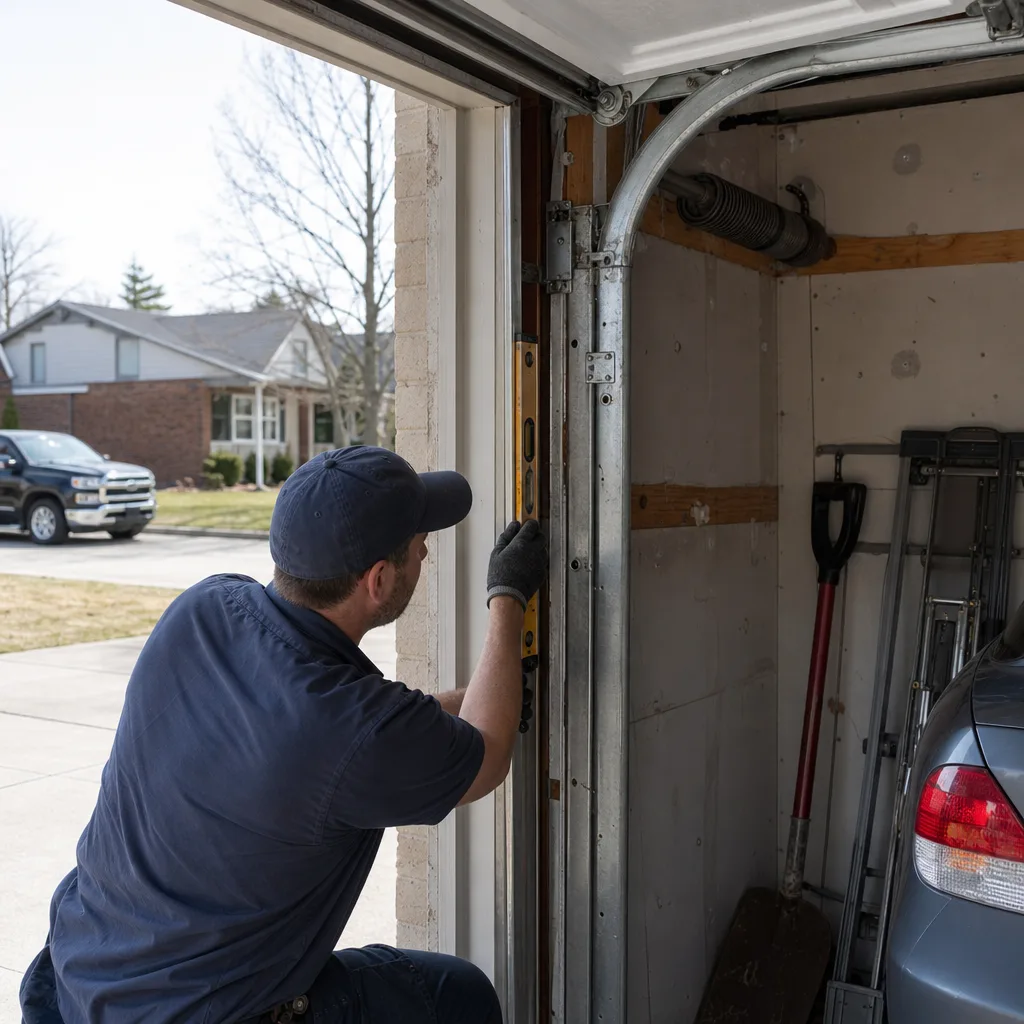
Last updated November 16, 2026
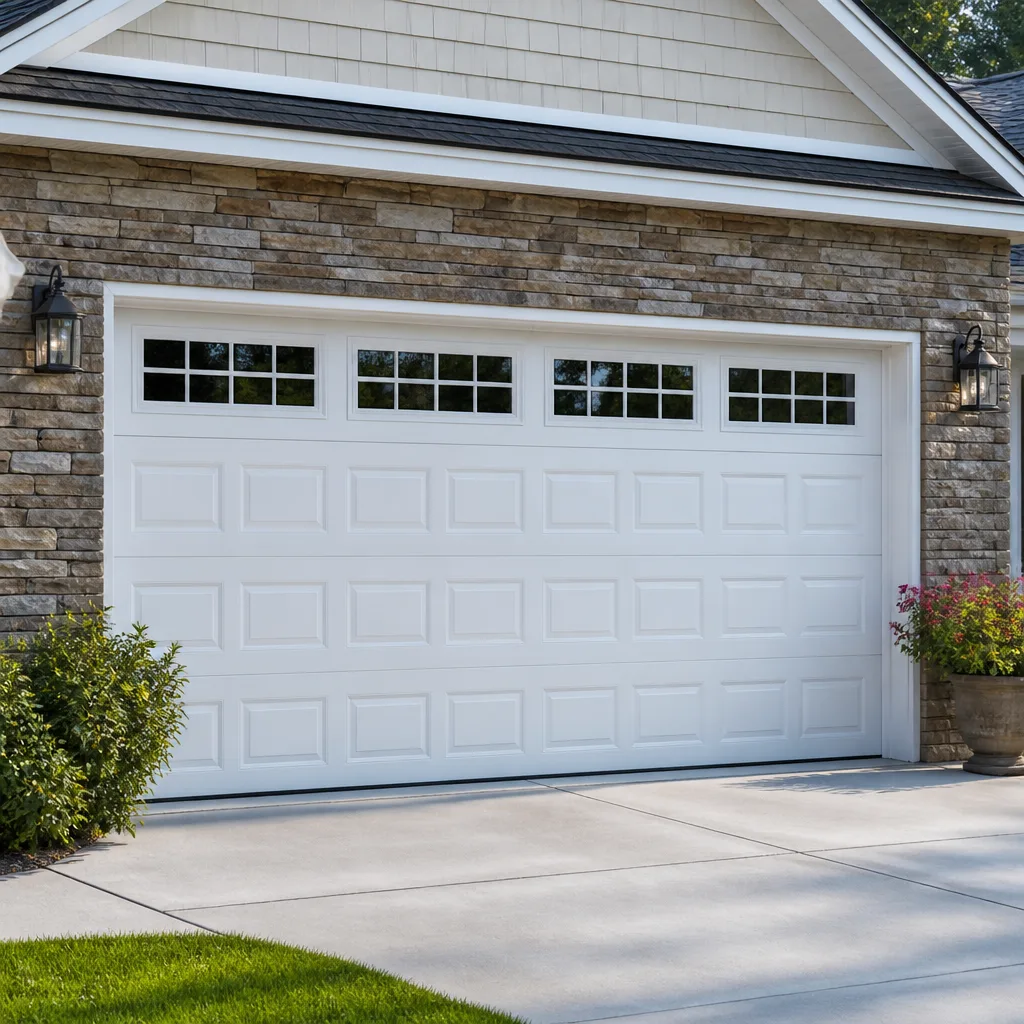 Raised-panel steel
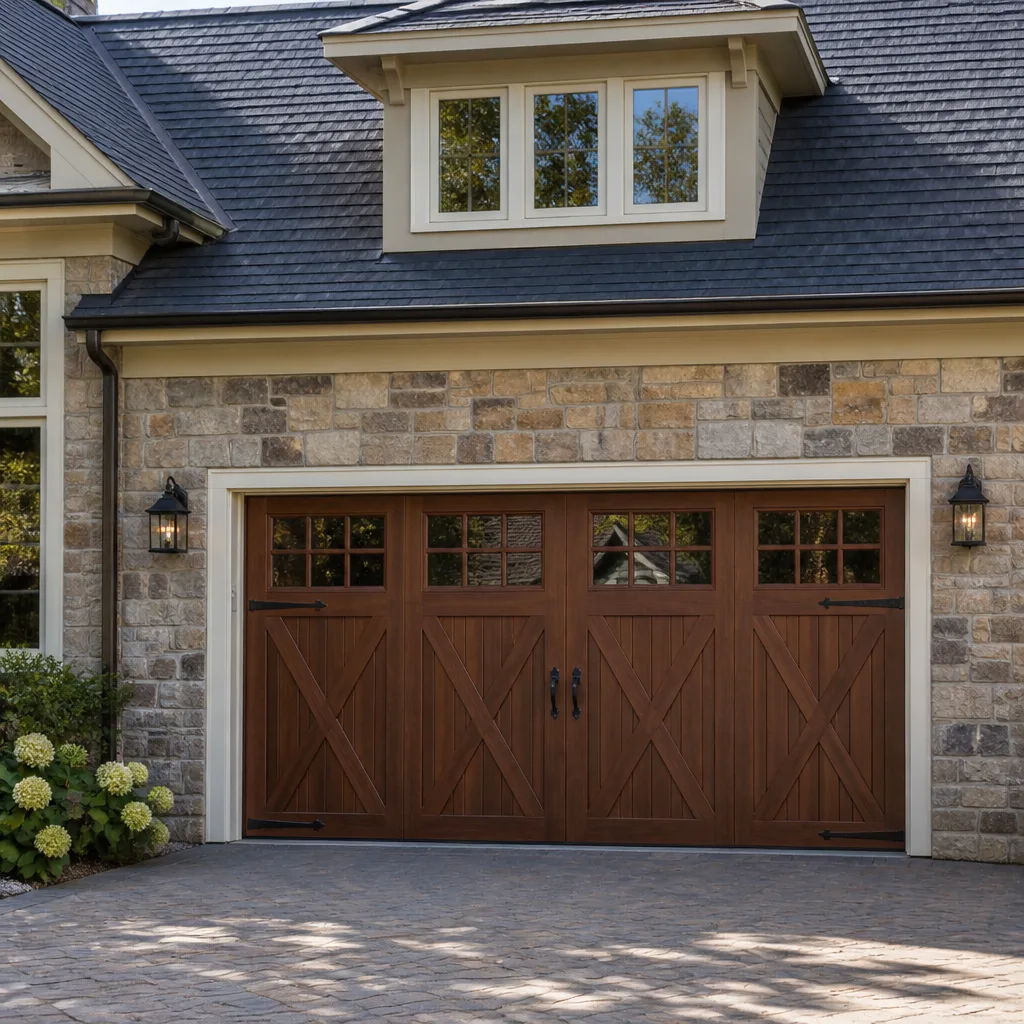 Carriage house
 Modern flush
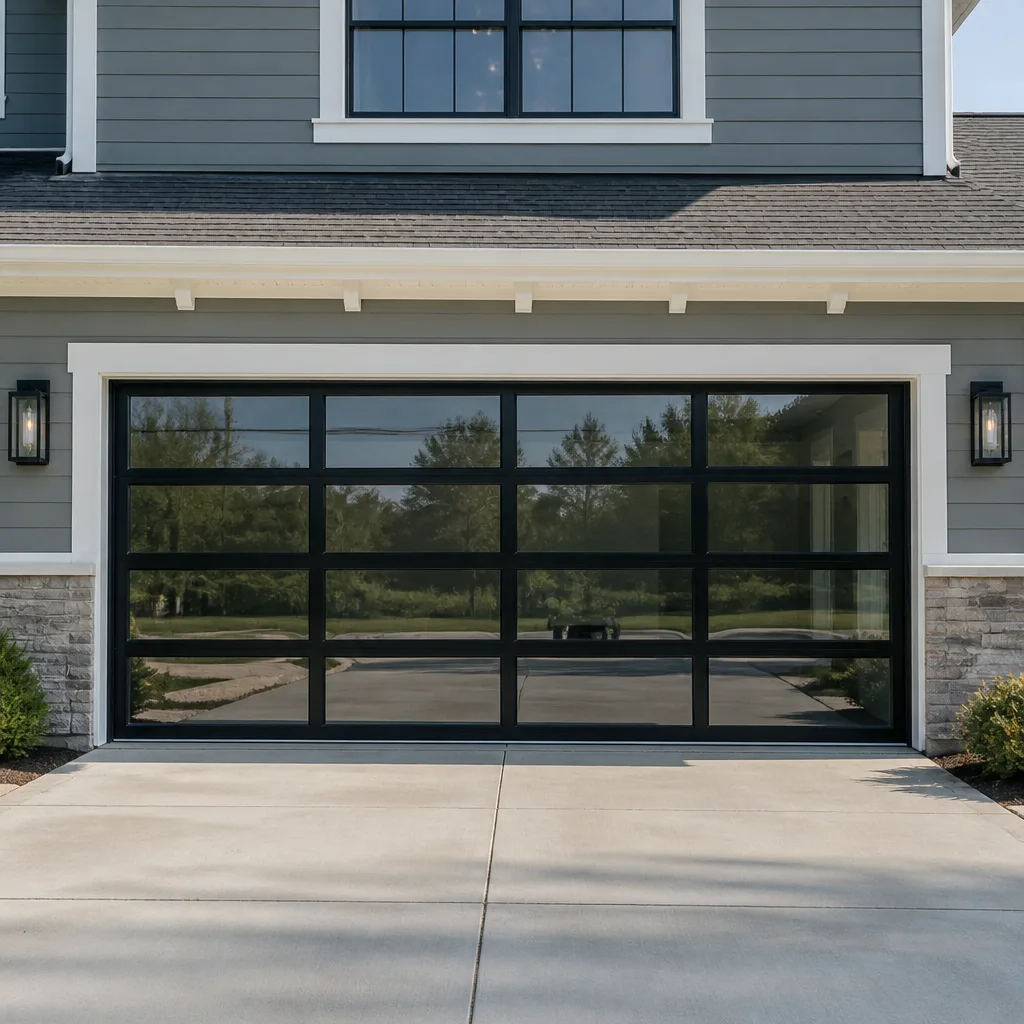 Full-view glass
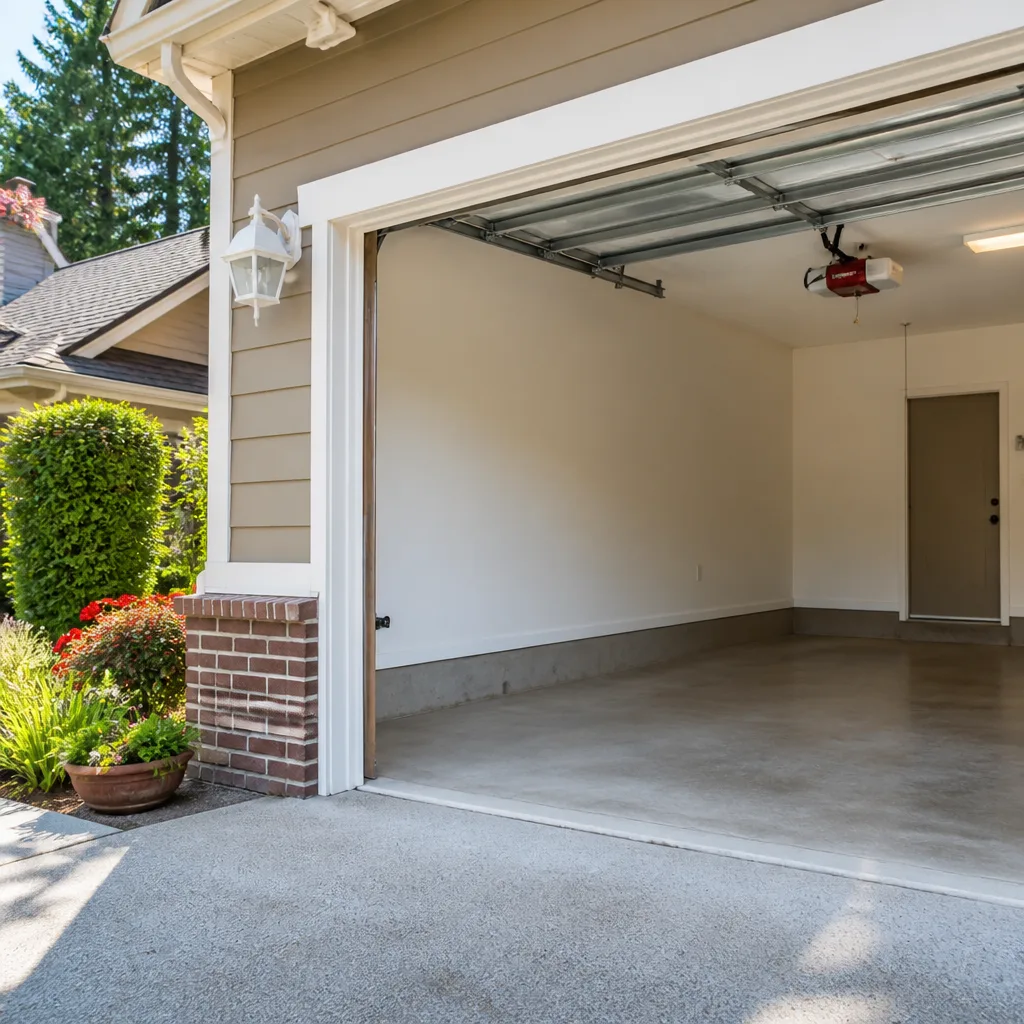 LiftMaster openers
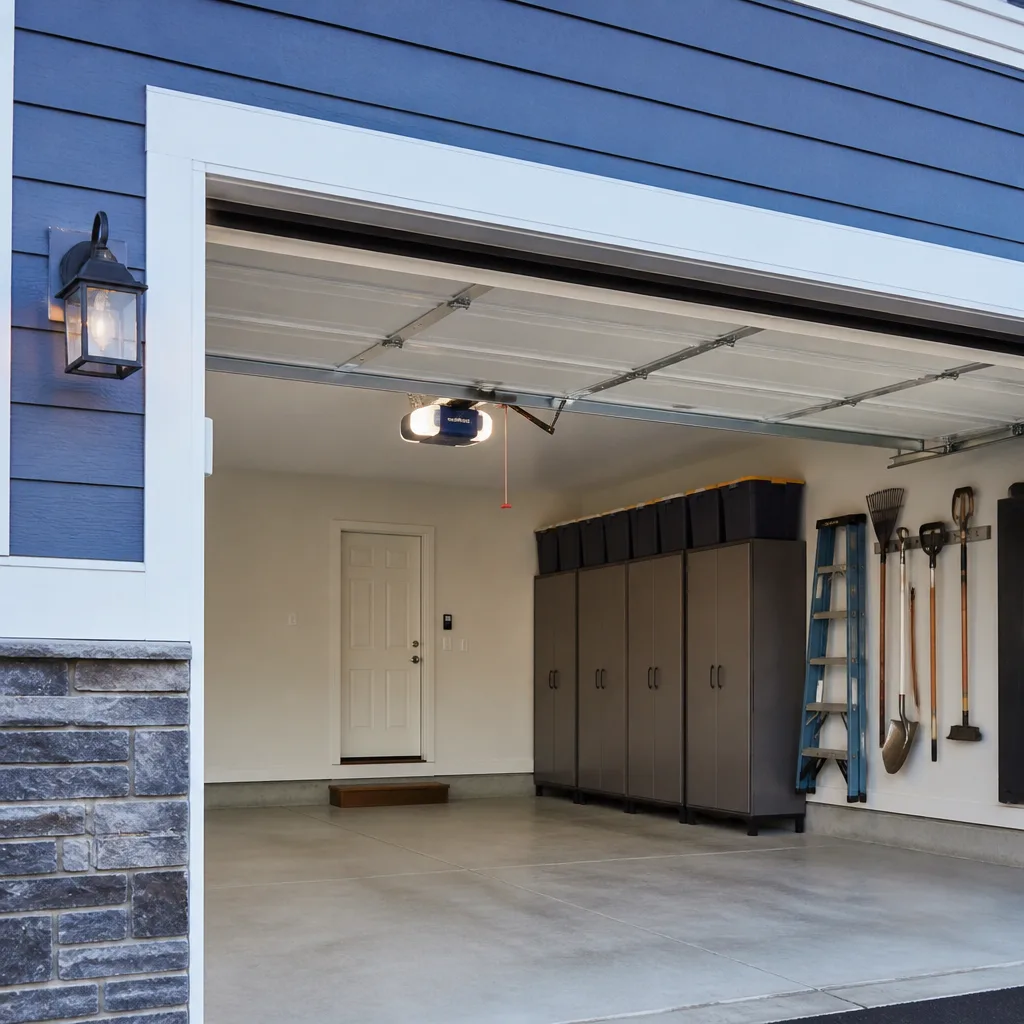 Chamberlain openers
Full 25-point door and opener safety check with every visit - springs, cables, rollers, tracks, and your LiftMaster or Chamberlain opener included
You get a price before we start. It does not change when the pro arrives.
Get your free estimateDIY vs Professional Garage Door: The Warren Homeowner’s Decision Guide
Replacing a garage door opener yourself is a reasonable weekend project. Adjusting torsion spring tension yourself is not, and the difference isn’t skill level. It’s stored energy. A fully wound torsion spring holds enough force to cause serious injury if it releases incorrectly, and no video tutorial changes that physics. That single fact should shape how you split your garage door to-do list into what you’ll handle and what you’ll hand off. This guide gives you a task-by-task breakdown for a typical Warren home: what’s genuinely safe to do yourself, what needs caution, what belongs to a trained technician, and how the real costs compare once you count tools, time, and the odds of a mistake. Warren Garage Door Service works on the door and opener you already own, so we’re writing this to help you decide, not to sell you something.
Quick Answer
DIY is a good fit for cleaning tracks, lubricating moving parts, replacing batteries and remotes, and resetting a misaligned safety sensor. Anything involving torsion springs, cables, or the door’s balance belongs to a trained technician, full stop. Most other repairs sit in the middle: possible for a careful homeowner with the right tools, but often cheaper and safer to hand to a professional once you count tool costs and the risk of damaging the door, the opener, or a car parked underneath.
Styles & brands we work with
- Raised-panel steel
- Carriage house
- Modern flush
- Full-view glass
- LiftMaster openers
- Chamberlain openers
Table of Contents
- The task-by-task matrix: what’s safe, what’s caution, what’s professional only
- What tools and baseline competency garage door work actually requires
- Why springs and cables sit in a category of their own
- Warranty and insurance implications of DIY work in Warren
- The real cost comparison: parts, labor, tools, and error rate
- The tasks where calling a professional pays for itself immediately
- How Warren’s seasons affect what breaks and when
- Frequently asked questions
The task-by-task matrix: what’s safe, what’s caution, what’s professional only
Garage door work isn’t one skill. It’s a dozen small jobs bundled under one name, and some of them are closer to changing a light bulb while others are closer to working on a loaded spring under tension. Here’s the honest split.
Safe for most homeowners:
- Wiping down and lubricating the tracks, rollers, and hinges with a garage-door-rated lubricant
- Replacing the battery in a remote or a wall-mounted keypad
- Clearing debris, leaves, or a stray toy from the door’s path
- Aligning or wiping clean the photo-eye safety sensors at the bottom of the tracks
- Tightening the bolts on the hinges and brackets that hold the door panels together, using hand tools only
- Reconnecting the emergency release cord if it’s been pulled and disengaged the door from the opener
Proceed with caution:
- Replacing a wall-mounted push-button or adding a second remote
- Adjusting the opener’s open and close travel limits, which is a programming task on most LiftMaster and Chamberlain units but easy to get wrong
- Replacing a bent roller or a worn hinge on the bottom section, which requires lifting and bracing the door
- Replacing the opener’s drive belt or chain on a unit you’re comfortable working on
- Replacing weatherstripping along the bottom of the door, which is straightforward on most panels but can hide rot underneath
Professional only:
- Replacing or adjusting torsion springs (the horizontal spring above the door) or extension springs (the ones running along the sides on older doors)
- Replacing or adjusting the lift cables
- Balancing a door that’s drifting, binding, or slamming shut
- Replacing a broken bottom bracket or the cable drum at the top of the track
- Realigning bent track sections after a car impact
- Any repair where the door is off its tracks and hanging by the opener
What separates the three columns is stored energy and the consequences of a failure. The safe tasks involve nothing under tension. The caution tasks involve some weight and some electrical components but no spring force. The professional-only tasks involve a loaded spring or cable that can release suddenly, and that’s the line we don’t recommend crossing.
The other factor is weight. A standard single-car garage door weighs well over a hundred pounds, and a double-car door weighs considerably more. When a homeowner lifts a door off its tracks to replace a roller and the door comes down unexpectedly, the injury is usually to a hand, a foot, or a back, and sometimes to the car underneath. If you’re going to work on anything that requires lifting the door, have a second person and a proper brace, or call us.
What tools and baseline competency garage door work actually requires
Most garage door maintenance doesn’t need specialized equipment. A socket set, a set of wrenches, a screwdriver, a level, and a can of garage-door-rated lubricant will handle the safe and caution tasks on the matrix. That’s it. You probably already own most of it.
The picture changes once you get into the professional-only column. A torsion spring replacement on a residential door typically needs:
- Two proper winding bars sized to the spring cone (not screwdrivers, not punches)
- A sturdy stepladder rated for the height you’re working at
- Vice grips or locking pliers to hold the shaft while you work
- A C-clamp or two to brace the door in the open position
- Safety glasses and heavy work gloves
- A replacement spring matched to the door’s weight and cycles (the two numbers on the old spring)
That’s a couple hundred dollars in tools before you’ve bought a single part, and the winding bars are useless for anything else afterward. Most homeowners buy them once, use them once, and never touch them again.
Baseline competency is a separate question from tools. You should be comfortable reading a manual and following steps in order, comfortable working off a ladder, and comfortable stopping when something feels wrong instead of pushing through. If you’re the kind of person who reads the instructions first, you can likely handle the safe and caution columns. If you’re the kind of person who dives in and figures it out, garage doors are the wrong place for that approach, because the failure mode isn’t a crooked picture frame. It’s a broken door or an injury.
One more honest note: older doors are a special case. Craftsman and Wayne Dalton systems from past decades are common throughout Warren, and generalist handymen often decline to work on them because the parts are different and the manuals are no longer current. That’s not a reason to attempt the work yourself; it’s a reason to call someone who specifically services those brands.
Technicians who do this work every day have handled thousands of doors, and our own technicians have up to 12 years of experience. In our experience, the repairs that go wrong at home are almost never the technical ones. They’re the ones where the homeowner was almost right about the diagnosis and adjusted the wrong thing.
Why springs and cables sit in a category of their own
Torsion springs sit on a steel shaft above the door, and they do the heavy lifting: they counterbalance most of the door’s weight so a person, or a small opener motor, can raise and lower it with one hand. When a spring is wound, it stores energy. When it releases, it releases all at once.
The physics don’t care about your experience. A torsion spring holds enough force that a careless wind or an incorrect unwind can drive a winding bar across a garage, snap a cable, or twist a shaft. Cables are under similar tension running from the drum at the top of the track down to the bottom bracket. Those are the two components where we recommend you don’t work on them yourself, ever, regardless of how many videos you’ve watched or how confident you feel.
What you can do is recognize the warning signs and get help before something fails.
- A loud bang from the garage with no other explanation usually means a torsion spring snapped
- A door that opens a foot and stops, or feels far heavier than it used to, means the spring has lost tension
- A gap in the coil of the torsion spring on the shaft is the visual sign of a broken spring
- A door that slams shut instead of settling gently is out of balance
- A cable that’s jumped off the drum, is frayed, or is hanging slack needs a technician
Springs don’t warn you before they fail. They break while the door is at rest or during a normal cycle, and the failure is sudden. If you hear that bang, don’t try to raise the door by hand to see what’s going on. Call us. We can diagnose it on-site and give you a written price before any work starts. Same for a snapped cable, a door hanging off its tracks, or a bottom bracket that’s torn loose from the panel.
Warranty and insurance implications of DIY work in Warren
This is the part most DIY guides skip, and it matters more than the price of a single part.
Every garage door and opener comes with a manufacturer’s warranty, and nearly every one of those warranties excludes damage from improper installation, improper adjustment, or work done by someone other than a qualified technician. If you replace a spring yourself and the door later fails at a hinge because the balance was never quite right, the manufacturer can decline the claim on the basis of the DIY repair. Same story if you install a new opener yourself, wire it in, and the control board fails a year later. The warranty usually covers defects in materials and workmanship. It does not cover what happens after a non-qualified install.
On the insurance side, most homeowners’ policies respond to sudden and accidental damage, and a door that comes off its tracks after a DIY repair still falls under that language in most cases. What changes is the claims conversation. When an adjuster asks who did the work and the answer is “I did,” the claim can be scrutinized more carefully, and in some cases the insurer will subrogate against the installer if the installer was a professional. When the work was DIY, there’s no one to subrogate against, and the claim can be held to a higher standard of proof about what actually happened.
We’re not telling you what your policy says. We’re telling you the question is worth asking your agent before you decide to do the work yourself. The three-minute phone call is cheaper than the surprise later.
There’s a local angle too. Warren has a lot of older housing stock where the garage was added or modified after the house was built, and the door and opener on it may not match the original installation. When you call for professional work, ask whether a permit is required for what you’re doing. Most cities require a permit for structural or electrical changes, and asking the city’s building department is always the right first step. DIY work that skipped the permit step can complicate things at resale or during an insurance review.
The real cost comparison: parts, labor, tools, and error rate
Comparing DIY to professional work on parts cost alone is misleading. The honest comparison includes tools, time, and the realistic chance of a mistake. Here’s how we think about it. Every price below is a typical estimated range for the Warren market, and the written estimate you get on-site sets the final price.
| Task | Typical DIY cost | Typical professional range | Verdict |
|---|---|---|---|
| Lubricate tracks and hinges | $10-$20 for lubricant | Usually not worth a service call | DIY |
| Replace a remote battery | $3-$8 | Not worth a service call | DIY |
| Align safety sensors | $0 | Covered in a maintenance visit | DIY |
| Replace a single torsion spring | $40-$90 in parts, plus $150-$200 in tools | $180-$340 for one spring | Professional |
| Replace a matched pair of torsion springs | $80-$180 in parts, plus tool cost | $360-$680 for the pair | Professional |
| Replace a lift cable | $20-$40 in parts | $150-$300 | Professional |
| Replace a bent roller | $5-$15 per roller | $100-$200 for a set | Caution |
| Realign a bent track section | Not realistic at home | $150-$350 | Professional |
| Replace the opener’s drive belt or chain | $30-$60 in parts | $150-$280 | Caution |
| Install a new opener | $150-$300 for the unit | $350-$750 installed | Professional |
Read that table with the error rate in mind. A torsion spring replacement is the classic example. The parts are not expensive. The tools are the hidden cost, and once you’ve bought the winding bars you’ve spent about as much as the professional labor would have cost, and you’re still doing the work yourself. The mistake rate on a first-time spring wind is not small. Get the spring length or wire gauge wrong for the door’s weight and the door will be out of balance, the opener will strain, and the springs will fail early.
Opener installation is the same story in a different key. The unit itself is a couple hundred dollars. Getting the head unit mounted true to the ceiling, the rail aligned, the travel limits programmed, and the safety sensors wired correctly is a four-hour job on a good day and a two-day job if you’ve never done one. If you install it wrong and burn out the control board on first power-up, you’re buying a second opener and the warranty may not cover the second one because the installation wasn’t qualified. That’s where the DIY math collapses.
The reasoning on cost is straightforward. A big share of what you save in labor you can lose in tools, time, and a part swap. If it’s a Friday and the door is stuck, the calculation changes because you may be buying parts at markup and paying for the second attempt too.
The tasks where calling a professional pays for itself immediately
Some professional visits are justified by safety alone. Others pay for themselves by avoiding a second, bigger repair. These are the ones where we’d call it every time:
- Any spring or cable replacement. The parts are cheap; the mistake is expensive. A mis-wound spring on a 250-pound door can destroy the door panels, the shaft, and the opener motor in one failure.
- A door that’s off its tracks. Forcing it back on damages the rollers, the track, and sometimes the panels. The professional repair is one visit. The DIY repair that fails is often two.
- A car has hit the door. Track alignment after an impact is a precision job, and a door that’s still running on bent track chews through rollers and eventually the opener.
- A door that’s slamming or drifting. Nearly always a balance problem, and the “adjust the opener force setting” shortcut that circulates online is a temporary fix that turns a $200 spring job into a $900 opener and spring job.
- An opener that’s more than a decade old and failing. Repair or replace is a real decision, and it depends on the drive type, the electronic components, and how the door itself is behaving. Our garage door opener repair work covers both the mechanical drive and the electronic and smart-home components on modern openers, so we can give you the honest answer instead of defaulting to replacement.
- A door with a broken hinge or panel on an older Wayne Dalton or Craftsman system. Older systems often have unobvious parts, and being corrected on the wrong part is cheaper than buying it twice.
The other scenario that comes up a lot in Warren: a homeowner has done a repair themselves, the door no longer behaves, and they can’t tell if the problem is the spring, the opener, or the track. Diagnosing that from scratch is exactly what a trained technician is trained to do.
If you want us to look at it, our garage door repair service is a free estimate first. We’ll tell you what’s wrong, what it costs, and what you can reasonably do yourself if you want to skip any part of the work. And we work on the door you have. LiftMaster, Chamberlain, Genie, Clopay, Amarr, Wayne Dalton, Craftsman, and Raynor systems are all within our scope, so a diagnosis doesn’t stall while someone figures out whether the door is supported.
One thing worth saying plainly: we don’t believe in a default-to-replacement sales model. If the door and opener have life left and a repair will do, we’ll tell you. Replacement first, replace only when necessary, is the honest order.
How Warren’s seasons affect what breaks and when
Garage door failures cluster around the seasons in Warren, and knowing the pattern helps you plan maintenance before the season where it matters.
Winter is the big one. The freeze-thaw cycle Michigan delivers every year puts stress on the door, the seals, and the moving parts at the exact moment the opener is working hardest to lift a cold, stiff door. Grease thickens in the cold, hinges tighten up, and the bottom weatherstripping cracks and pulls away from the panel. That combination is what pushes a marginal opener over its limit at 7am on the coldest morning of February. If your door has been noisy since October, deal with it before the first hard freeze rather than after.
Spring brings the thaw, and that’s when the ground under the driveway shifts slightly, which changes how level the door tracks sit. A door that’s been running fine since fall can start to bind on one side in April, and the culprit is often a track bolt loosened by the frost heave. That doesn’t need a service call unless it’s progressed; it’s worth walking around the door in the spring and checking that the track is still plumb and the bolts are still snug.
Summer heat expands the metal, which is why we hear more about doors that “suddenly” don’t close all the way during a July hot stretch. A door that closes against a warm, expanded weather seal sometimes triggers the opener’s safety reverse. That’s usually a limit adjustment, not a bad door.
Fall is the season to lubricate and to check the bottom seal before winter closes in. Ten minutes with a can of garage-door-rated lubricant on the hinges, rollers, and springs once a year is the single most useful maintenance step a homeowner can take in Warren. Performed before winter in a garage that will see temperatures in the teens, it makes a measurable difference to how the door runs in January.
A door that fails in the cold is the local specialty in Warren, and it’s also the easiest failure to prevent. If you’re doing any proactive work, do it in the fall.
Common Mistakes to Avoid
- Using the opener to lift a door with a broken spring. The opener isn’t designed to lift a door without spring assist, and forcing it will burn the motor or strip the drive gear within a few cycles. That takes a broken spring and adds a broken opener on top of it.
- Winding a torsion spring with tools that aren’t winding bars. Screwdrivers, punches, and small rods slip out of the winding cone under load, and that’s how people get hurt. There is no shortcut around the right tool.
- Adjusting the opener’s force setting to “fix” a heavy door. Cranking up the close force hides a balance problem and defeats one of the opener’s safety features. The door will come down harder and the safety reverse may not react when it should. This is a common shortcut across Warren, and it turns a repair into a replacement more often than it saves anything.
- Skipping the annual lubricant. It’s a $15 can of garage-door-rated spray, and it’s the reason some doors last years longer than the ones next door. Ten minutes a year in the fall is the best maintenance habit you can build.
- Buying a replacement spring by the color code alone. Spring color codes give you a starting point, but the correct replacement depends on the door’s weight and the cycles it will see. Guessing wrong is why some doors run fine for a week and then start sagging.
- Touching the track bolts with power tools. Track sections are aligned by tensioned bolts and small clearances. Impact drivers strip them and deform the track, and a bent track section is a professional repair, not a hardware store fix.
- Not disconnecting the opener before working on the door. For any work on the door itself, pull the emergency release to take the opener out of the equation, and kill the power at the breaker for anything involving the opener motor. Skip this and the door can start moving while you’re working on it.
See the difference
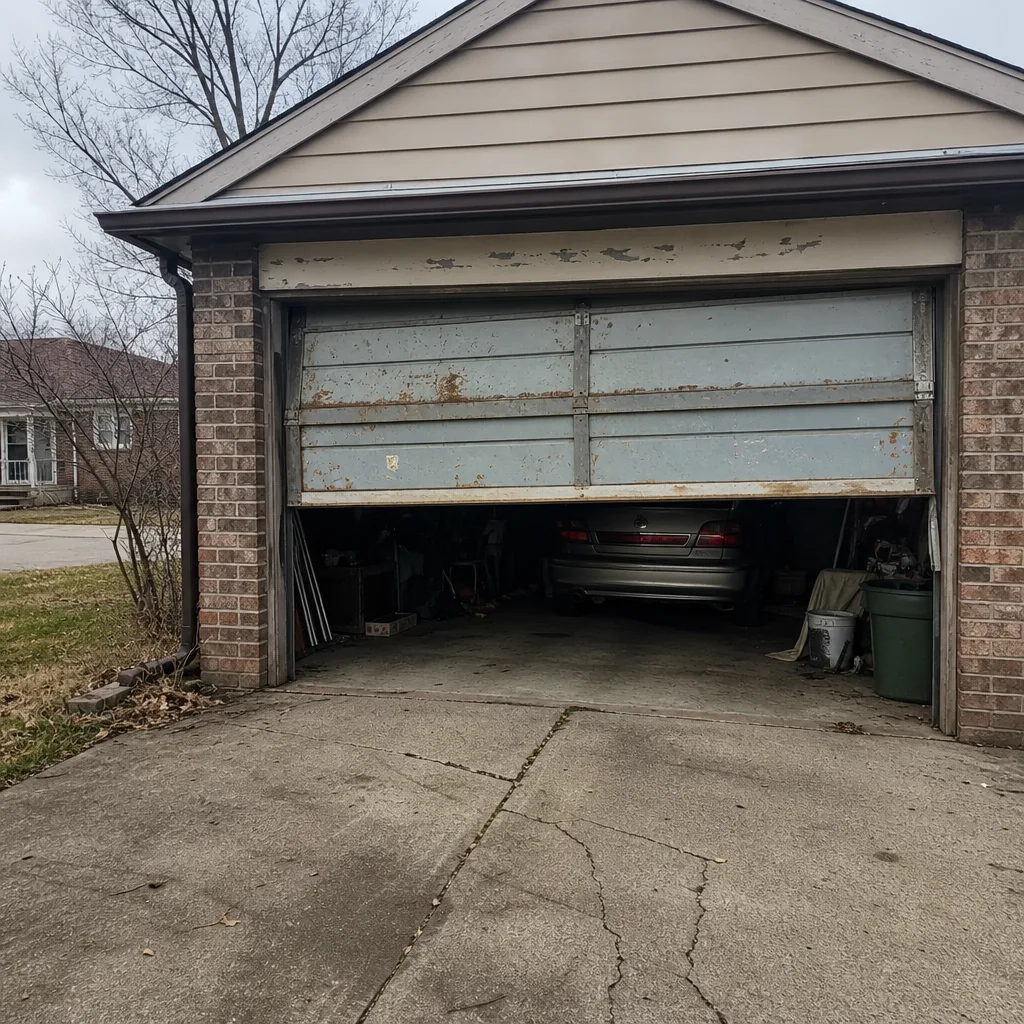 Before
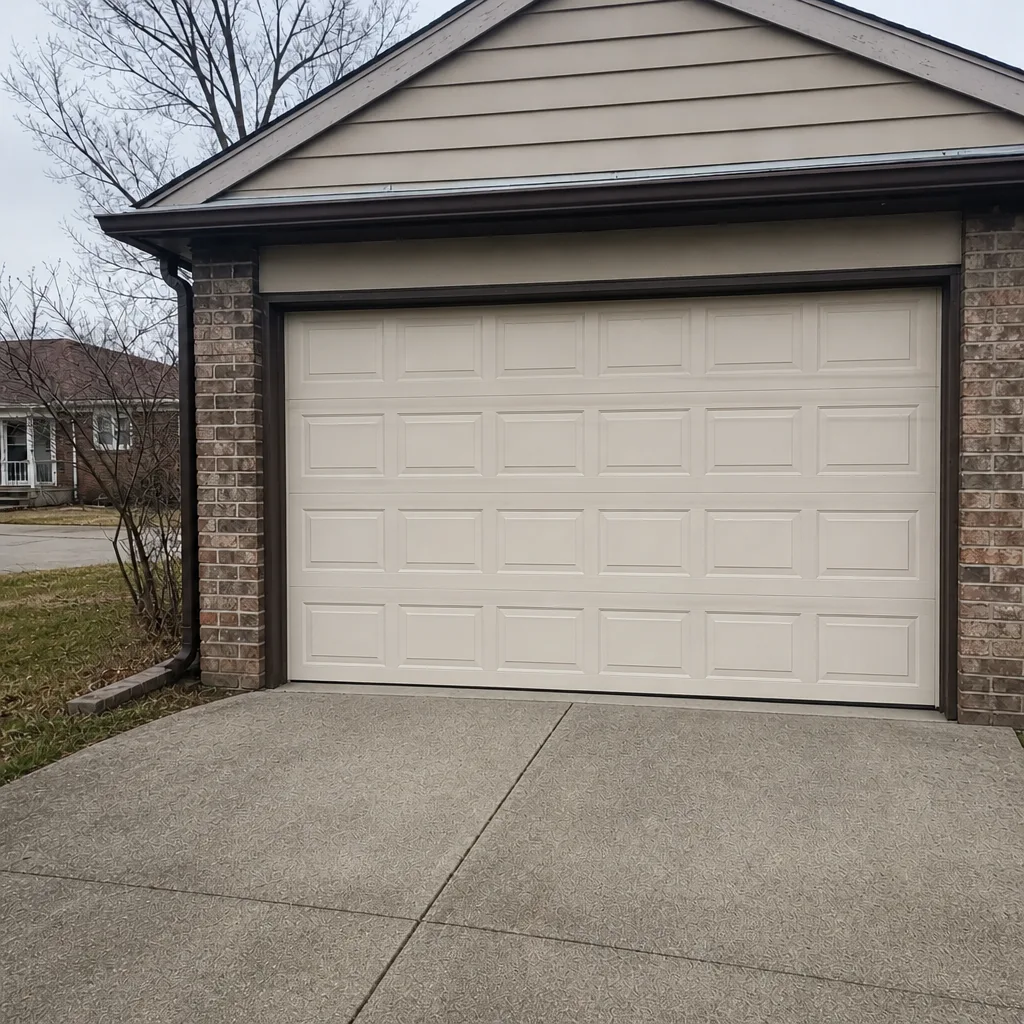 After
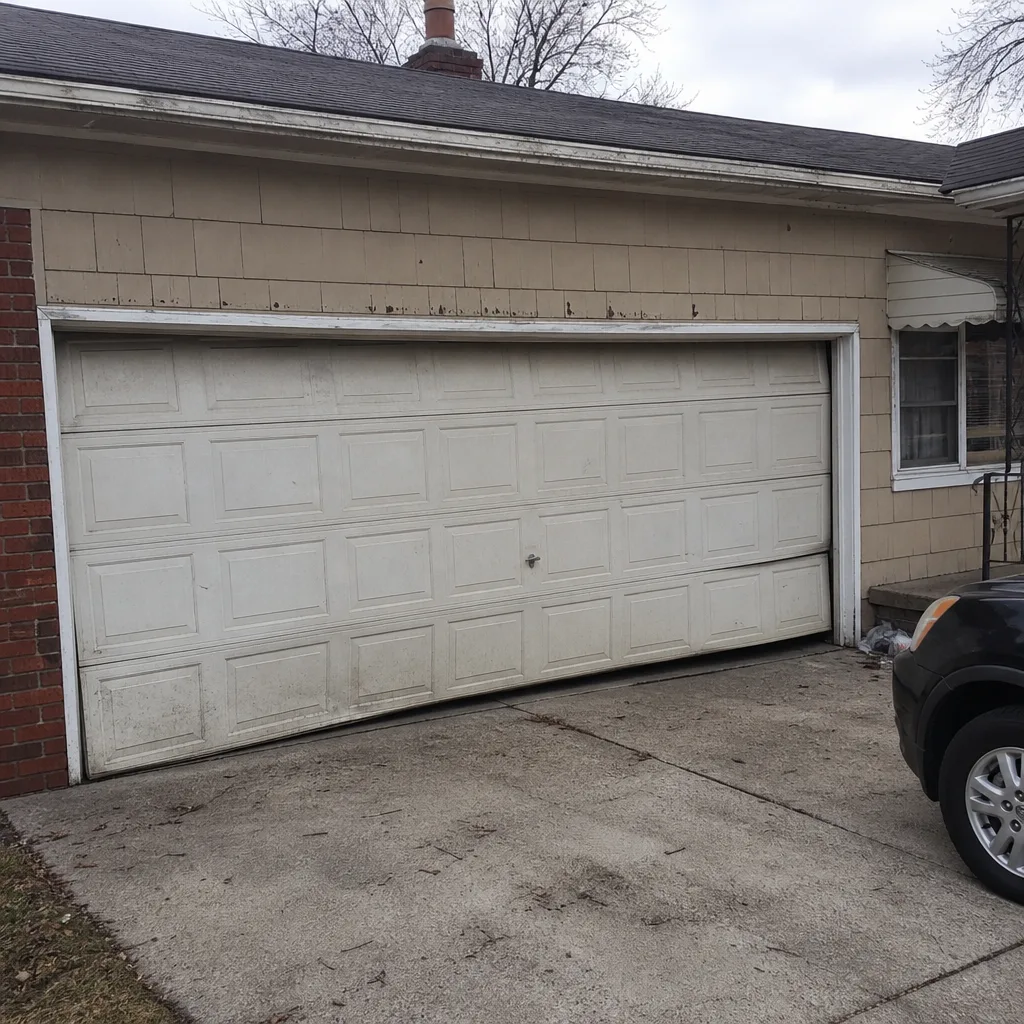 Before
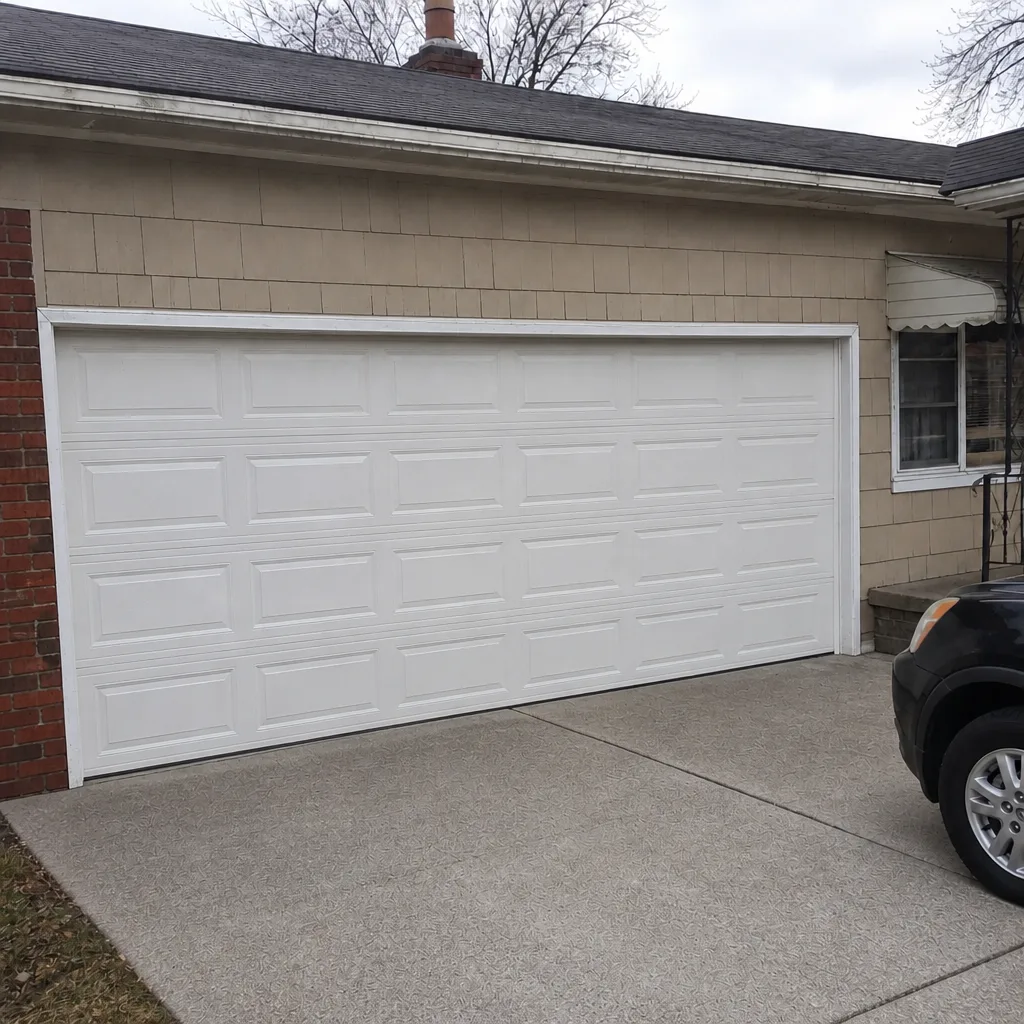 After
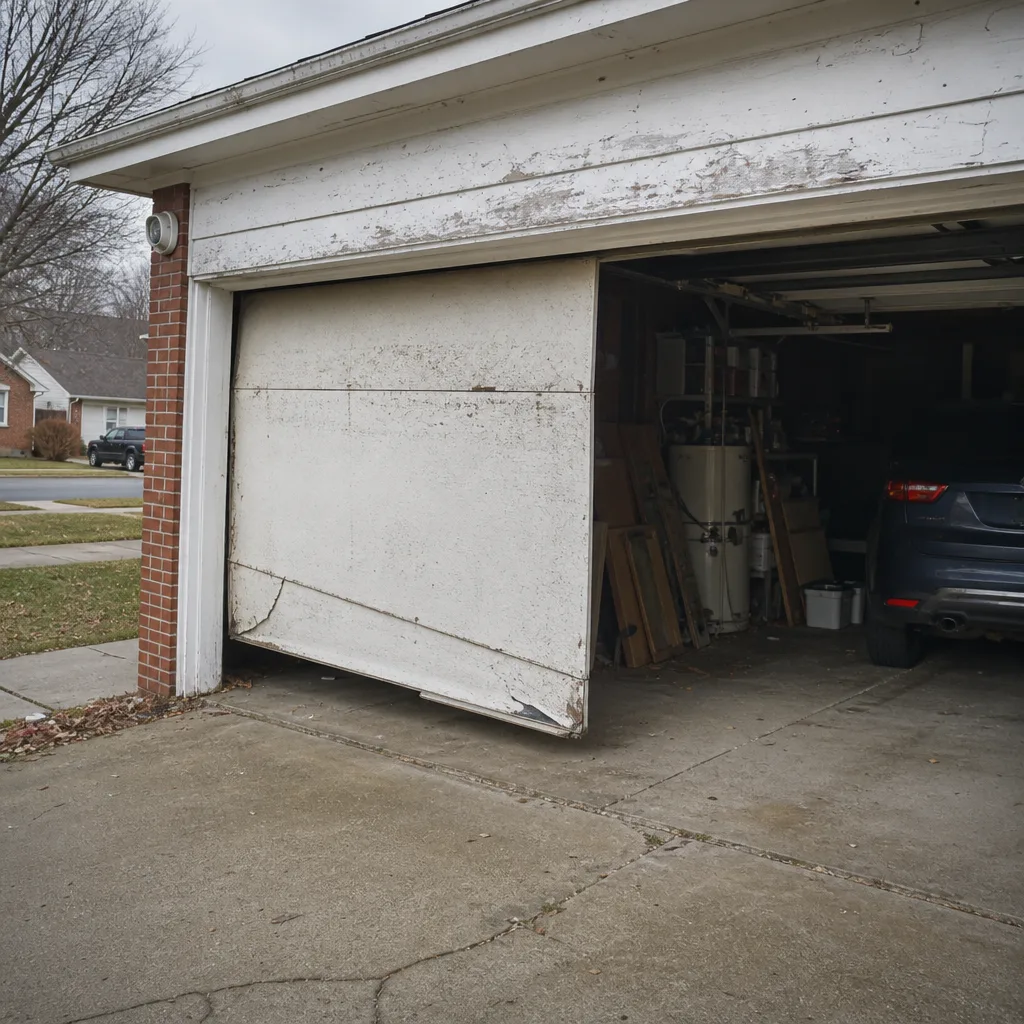 Before
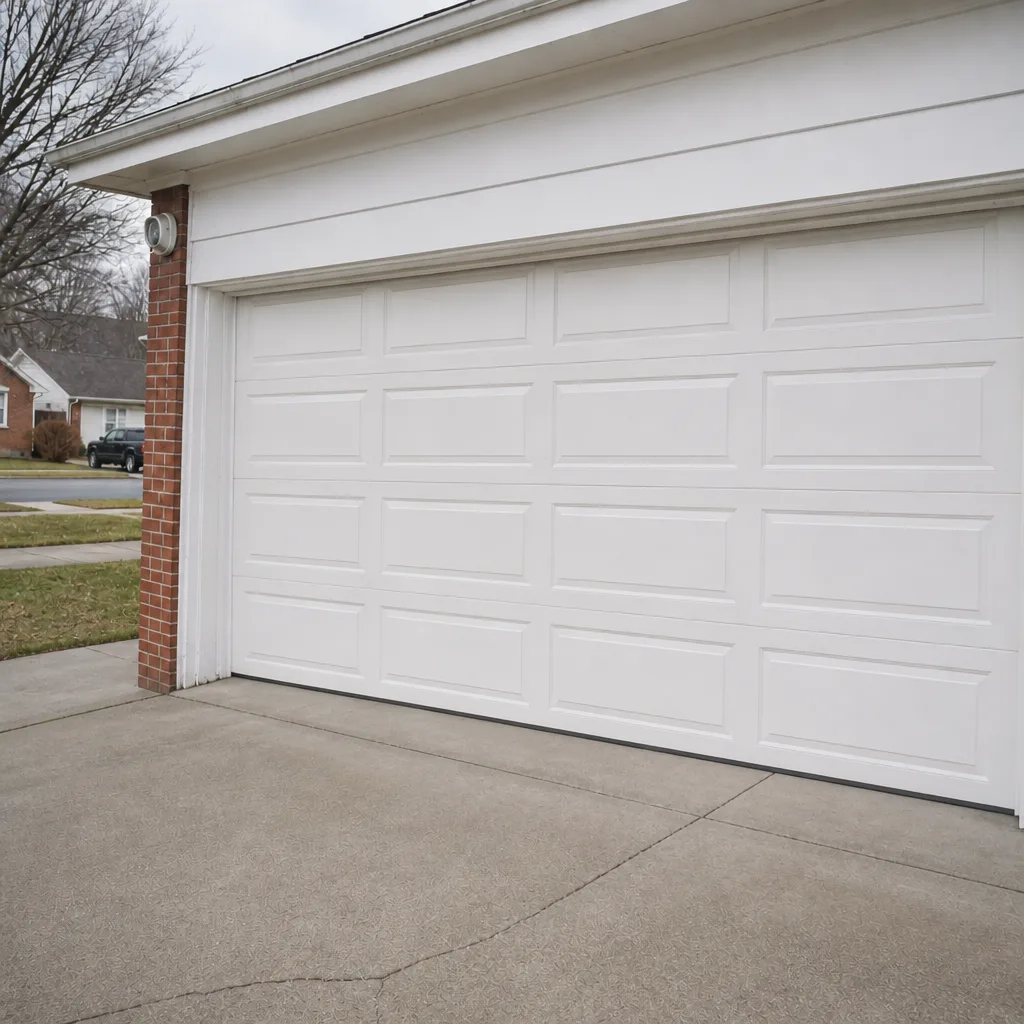 After
When to Call a Professional
Call a professional the moment any of these applies: a broken or weakened spring, a snapped or frayed cable, a door off its tracks, a door that binds or slams, a car impact to the door or a track, or an opener that runs but won’t move the door correctly. Call if you’ve done a repair yourself and the door still isn’t behaving, and call if you’re unsure whether the problem is the door or the opener. Those calls are always worth making before you spend more on parts.
Warren Garage Door Service offers free estimates in Warren, and we’ll give you a written price before any work begins. Call (866) 942-9754. We answer 24/7. Fast dispatch from 7am to 7pm, Sunday through Friday. We’re closed Saturday, and a call outside dispatch hours is booked into the next opening. Every technician is state-licensed and insured, our technicians have up to 12 years of experience, and we work on the door you already have. Full-scope work is under one name: repair, opener repair, and installation, so you’re not juggling contractors. If your neighborhood is anywhere from the north end of Warren to the south, we can get to you.
If you’re weighing whether to repair or replace, our Warren Garage Door Service team can walk the door with you and give you the honest read. And if you’re considering a new door rather than a repair, we install Clopay and Amarr doors, two of the most trusted names in residential manufacturing, and a free measure plus a written price is how any installation conversation starts.
Frequently Asked Questions
No. A torsion spring is under enough tension to cause serious injury if released incorrectly, and a mis-wound spring can also damage the door, the shaft, and the opener. Spring replacement belongs to a trained technician. Call (866) 942-9754 for a free estimate and a written price before any work starts.
Usually cheaper to hire, once you count the tools and the realistic chance of a mistake. The opener unit costs a couple hundred dollars either way, but installing it requires mounting the head unit true, aligning the rail, programming the travel limits, and wiring the safety sensors correctly. New-opener installation in Warren typically runs $350-$750 installed, and the written estimate sets the final price. A mistake on first power-up can cost a second opener and isn’t covered by the manufacturer’s warranty.
No, the price you agree to before work begins is the price you pay. We give a written estimate on-site, and if we find something else during the repair we stop and talk to you before doing additional work. Any change gets your approval first. Call (866) 942-9754 to book a free estimate.
Cleaning and lubricating the tracks and hinges, replacing a remote battery, aligning safety sensors, tightening bolts with hand tools, and reconnecting the emergency release cord. If it involves a spring, a cable, or lifting the door off its tracks, it’s a professional task. We’re glad to point out what you can handle when we’re out for an estimate.
Usually not. Most garage door and opener warranties exclude damage from improper installation or adjustment, and work done by a non-qualified installer generally voids the coverage on that component. If you’re weighing DIY against professional work on a component that’s still under warranty, check the warranty terms first; that’s the piece most homeowners miss.
Most likely, yes. We’re trained and equipped to service eight of the most widely-owned brands: LiftMaster, Chamberlain, Genie, Clopay, Amarr, Wayne Dalton, Craftsman, and Raynor. That covers the vast majority of doors and openers already installed in Warren homes, including the older Craftsman and Wayne Dalton systems that generalist contractors sometimes decline. Call (866) 942-9754 and we’ll confirm on the call.
The Bottom Line
DIY has a real place in garage door care, and it’s a specific one: the routine, low-tension tasks like lubricating, tightening, and sensor alignment. Everything involving springs or cables belongs to a trained technician, not because homeowners can’t learn, but because stored energy doesn’t negotiate. Everything in between comes down to your tools, your time, and how much a mistake would cost you. The honest math is that most professional repairs in Warren come out competitive with the DIY version once you count tools, time, the realistic error rate, and the warranty implications of a repair that goes wrong. Call (866) 942-9754 for a free estimate, and we’ll tell you what you can reasonably do yourself. Warren Garage Door Service works on the door you already own. If it’s a Warren door, we can help.
Written by the team at Warren Garage Door Service.