
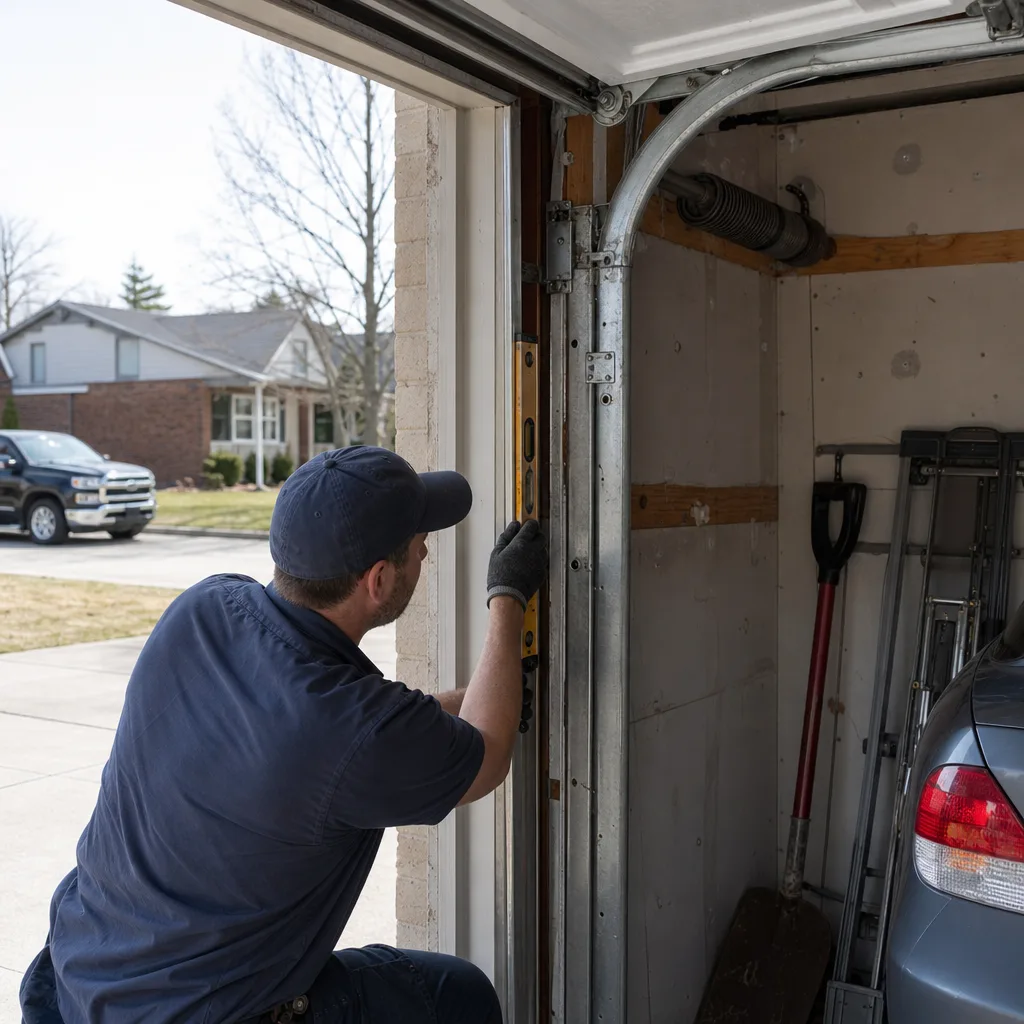
Last updated November 16, 2026
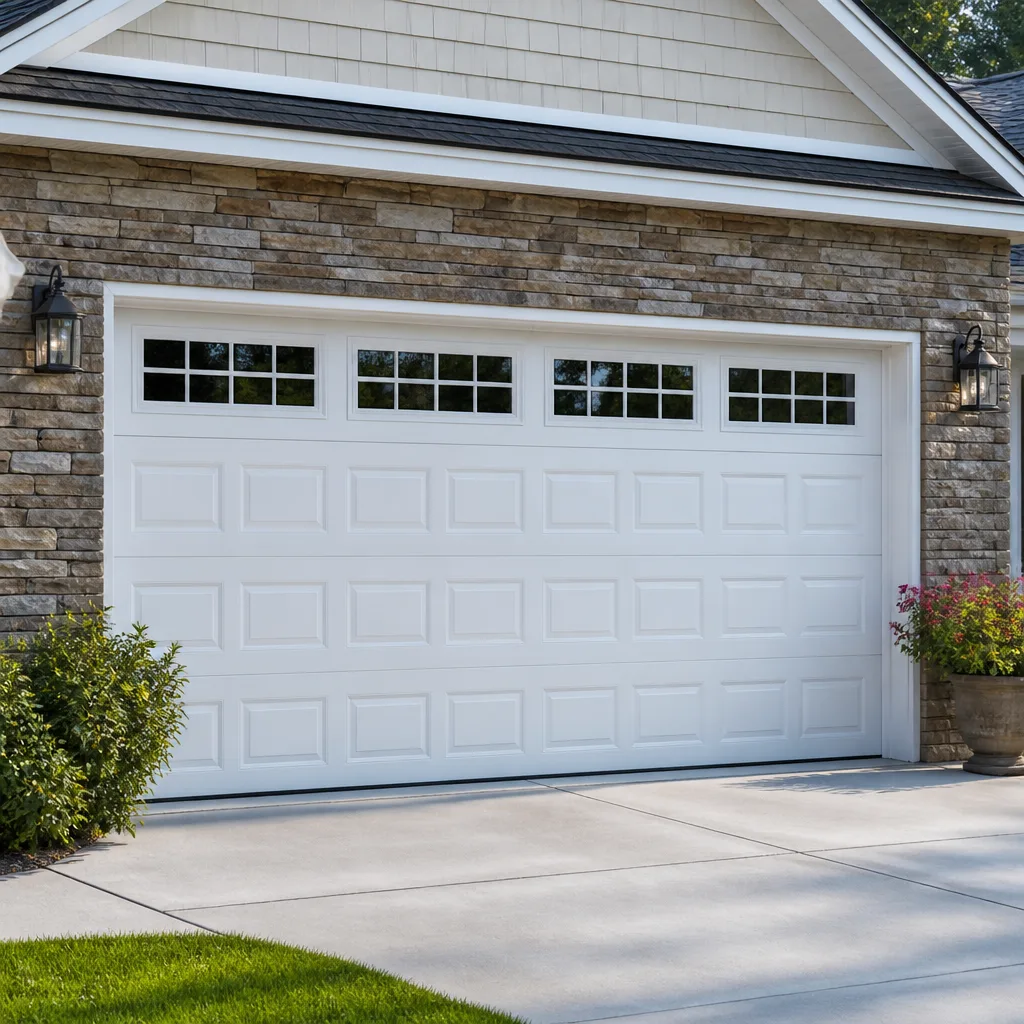 Raised-panel steel
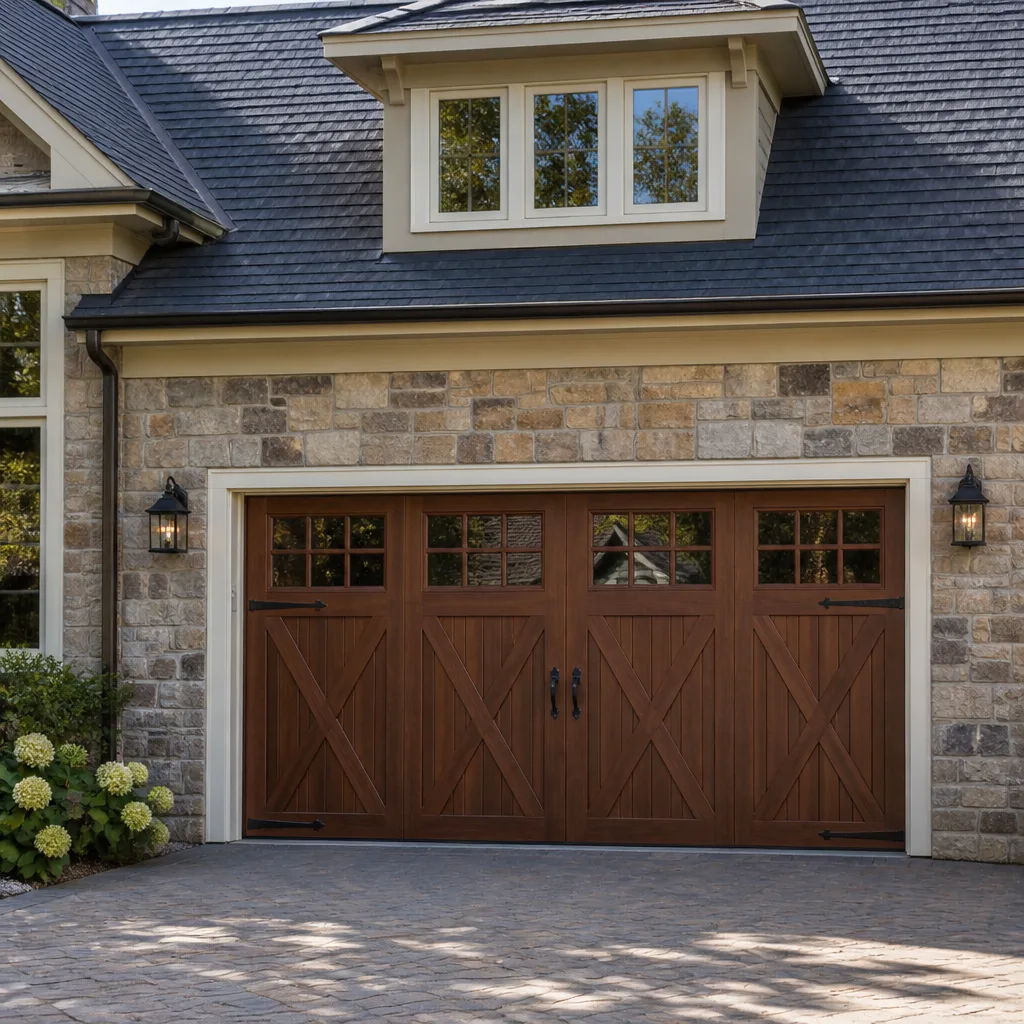 Carriage house
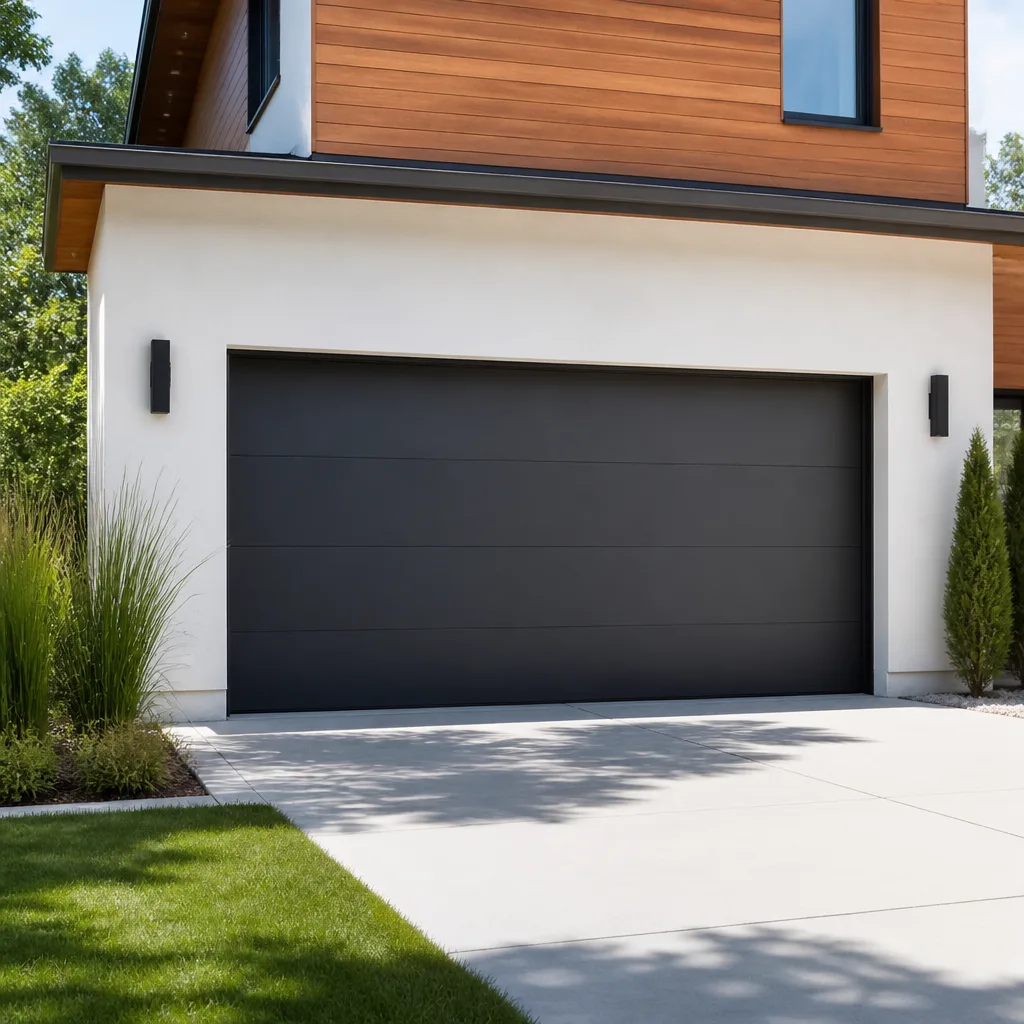 Modern flush
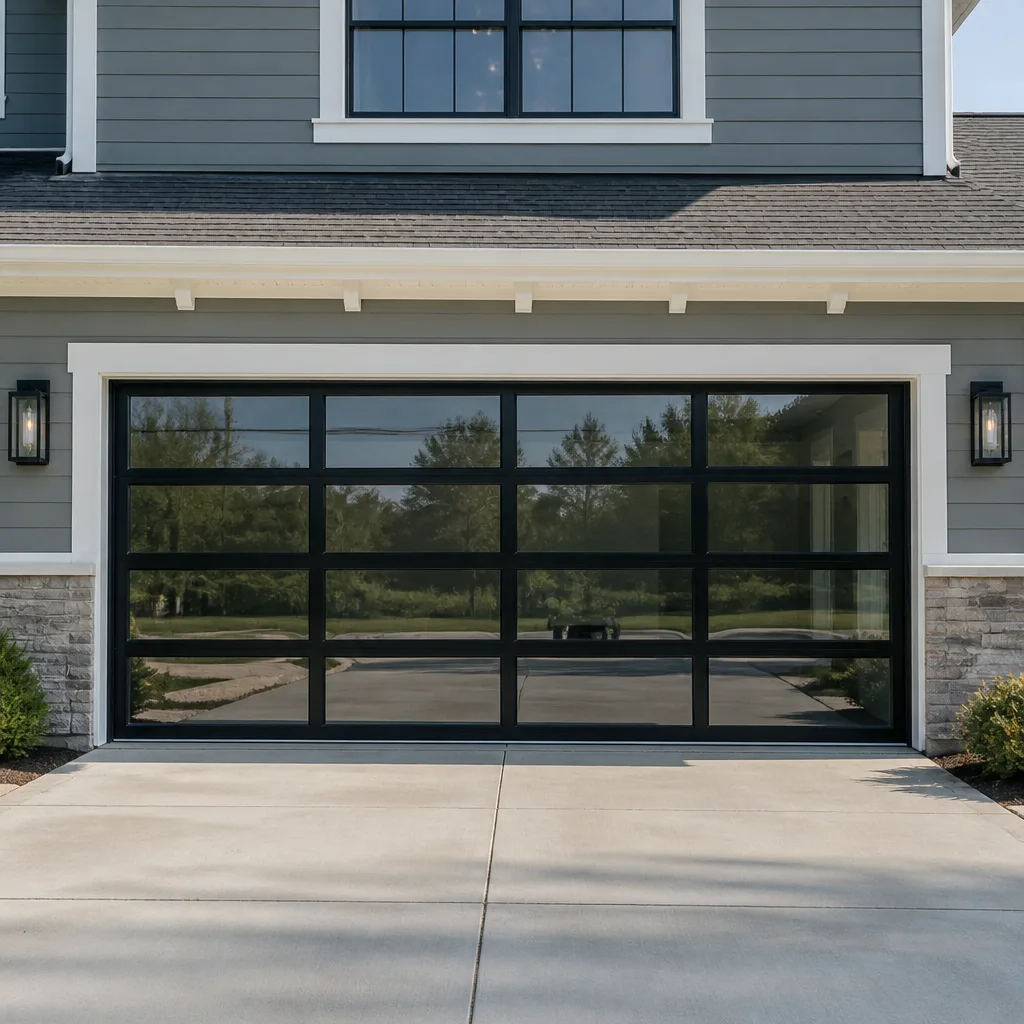 Full-view glass
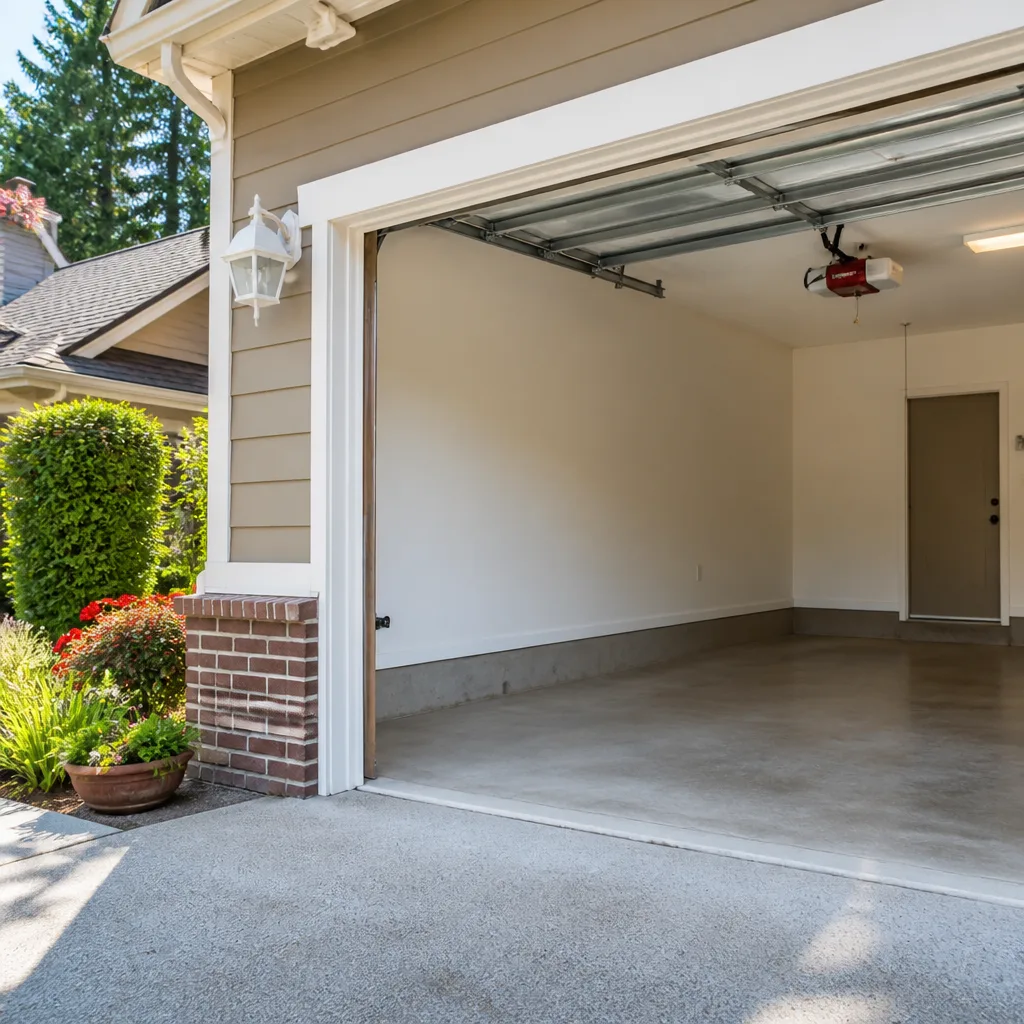 LiftMaster openers
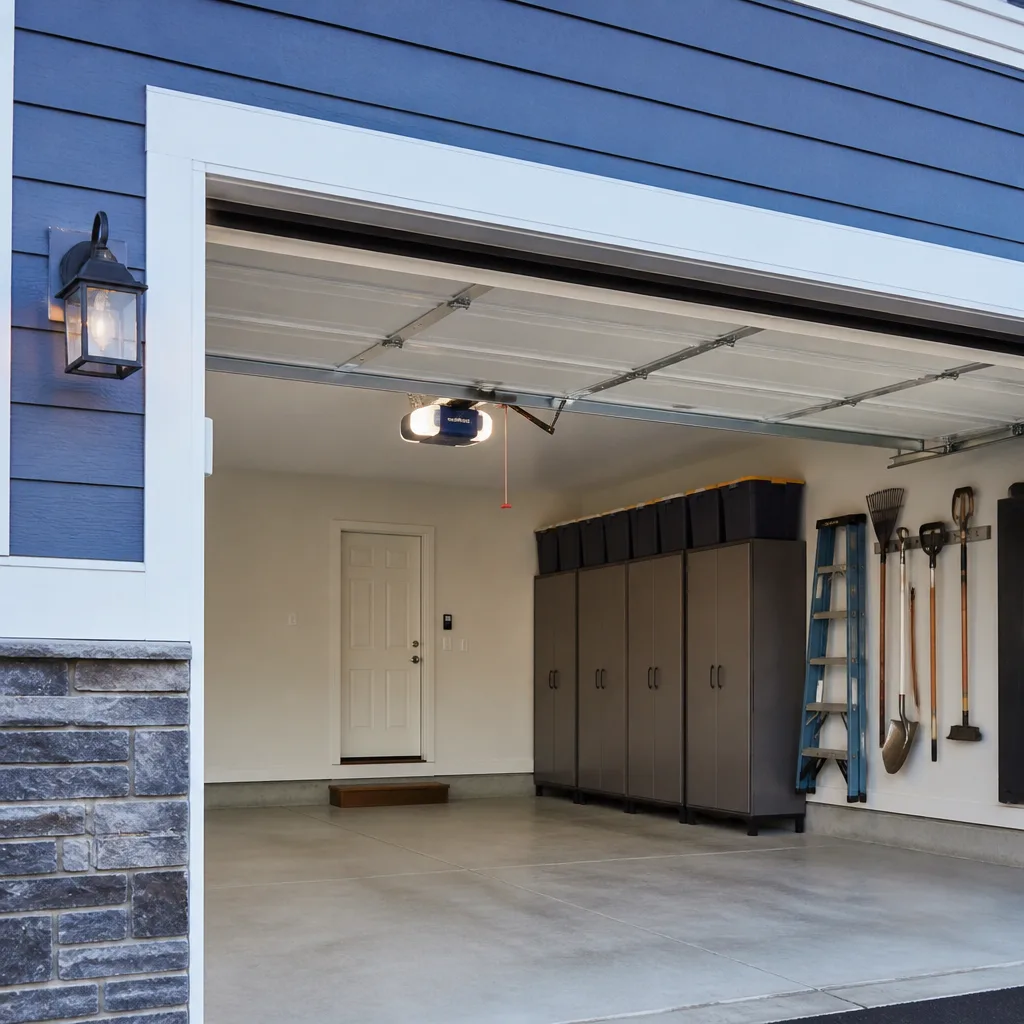 Chamberlain openers
Full 25-point door and opener safety check with every visit - springs, cables, rollers, tracks, and your LiftMaster or Chamberlain opener included
You get a price before we start. It does not change when the pro arrives.
Get your free estimateThe Complete Guide to Garage Doors in Warren
Most Warren homes were built between the 1950s and 1980s, which means the rough opening dimensions, header clearance, and framing your garage door sits in were standardized for a different era of door technology. That single fact affects nearly every buying and repair decision you’ll make today, and it’s the part national garage door guides skip entirely. A door that performs beautifully in a dry Arizona subdivision can fight you every February in southeast Michigan. In this guide, we’ll walk through how Warren’s freeze-thaw cycle stresses hardware, what older tract-home garages actually give you to work with, which door types hold up here, what the city expects on permits, and how to read a contractor quote against the real Warren market instead of a national average.
Quick Answer
A garage door in Warren needs to survive repeated freeze-thaw cycles, so spring life, bottom seal condition, and opener torque matter more here than in milder climates. Older Warren tract homes often have tighter header clearance than modern doors assume, which limits some opener and spring configurations. Repair is usually the smarter call unless the door structure itself is failing, and replacement work in Warren generally requires a permit from the city while straight repairs typically don’t.
Styles & brands we work with
- Raised-panel steel
- Carriage house
- Modern flush
- Full-view glass
- LiftMaster openers
- Chamberlain openers
Table of Contents
- How Warren’s Freeze-Thaw Cycle Affects Your Garage Door
- What Older Warren Tract Homes Mean for Header Clearance and Springs
- Door Types That Actually Perform in Southeast Michigan
- Choosing and Repairing an Opener for a Warren Garage
- Permits for Replacement vs. Repair in Warren
- How to Read a Garage Door Quote Against the Warren Market
- A Seasonal Maintenance Routine for Warren Homes
- Buying a New Door: A Step-by-Step Process
How Warren’s Freeze-Thaw Cycle Affects Your Garage Door
Warren sits in a climate that swings above and below freezing repeatedly through winter and early spring. That cycle is harder on a garage door than a steadily cold climate, because the freeze-thaw pattern works moisture into places a deep freeze never reaches. Water collects in the bottom seal, in the track channels, and along the threshold, freezes overnight, expands, then melts and refreezes the next night. Over a season, that expansion and contraction loosens fasteners, warps bottom sections, and stiffens the lubricant in rollers and hinges.
What that means practically for a Warren garage:
- Bottom seals wear faster. A seal that cracks lets meltwater under the door, where it refreezes and can bond the door to the floor. If your door thumps or hesitates on the first cold morning, the seal is the usual suspect.
- Steel sections can rust at the seams. Road salt tracked in on vehicles plus freeze-thaw moisture is tough on painted steel edges. The bottom section takes the worst of it.
- Springs fatigue unevenly. A torsion spring cycled in cold weather works harder than the same spring in summer. Springs don’t fail on a schedule, but cold-season cycling is where a worn spring usually gives out.
- Track alignment drifts. Frozen ground heaves slightly, and a door that was perfectly aligned in October can bind in January because the slab and framing have shifted a fraction.
In our experience, the homes that avoid most of this trouble are the ones where someone walks around the door once in late fall, checks the seal and rollers, and clears debris from the tracks. It’s a fifteen-minute habit that saves hardware. If your door has already started binding or thumping, that’s the point to look at garage door repair rather than wait for a spring to snap.
What Older Warren Tract Homes Mean for Header Clearance and Springs
The garages built into Warren’s mid-century and late-century tract homes were framed for the doors of their era. That era favored lighter single-car and small double doors with low headroom and simple extension springs. Today’s insulated double doors are heavier, and some need more headroom for the opener and torsion hardware than the original framing allows. This is the single biggest reason a straightforward “just put in a new door” conversation turns into a measuring appointment.
Here’s what we typically find in Warren homes from that building period:
- Low headroom above the door. Older garages often have minimal clearance between the top of the door and the ceiling joists. Low-headroom hardware exists for exactly this situation, but it has to be matched to the door, not guessed at.
- Extension springs instead of torsion. Many of these homes were built with extension springs running along the horizontal tracks. They still work, but the safety cable and mounting points deserve a careful look, and conversion to torsion is a common upgrade.
- Narrower rough openings. A door sized for a 1950s compact car may not fit a modern SUV with mirrors, so measure the opening and the vehicle before assuming a like-for-like swap.
- Framing that has settled. Decades of freeze-thaw can move a header slightly out of square. A door installed to an out-of-square opening will bind regardless of how good the door is.
None of this makes an older Warren garage a problem. It makes it a garage that needs to be measured before anything is ordered. A free measure and a written price beat a phone estimate every time on this kind of house.
Door Types That Actually Perform in Southeast Michigan
The door types that hold up in southeast Michigan share a few traits: they shed water, they resist freeze-thaw movement at the bottom, and their finish survives road salt and grit. Here’s how the main options compare for a Warren home.
- Insulated steel sectional doors. The workhorse choice for this climate. Steel with a factory finish and foam insulation handles freeze-thaw well, and the insulation matters because an attached garage shares a wall with the house. We install Clopay and Amarr doors, both of which build sectional steel in configurations suited to older openings.
- Non-insulated steel doors. Lower cost, and fine for a detached or unheated garage where you only care about security and weather sealing. Expect more condensation on the inside in cold weather.
- Wood and wood-composite doors. Attractive, but wood needs refinishing in this climate or it will absorb moisture at the bottom rail and swell. If you love the look, budget for maintenance and inspect the bottom edge every spring.
- Aluminum and glass doors. A modern look, but the aluminum frames and glass need good seals to manage condensation through a Michigan winter. Ask how the bottom seal is detailed before you commit.
What we’d steer a Warren homeowner away from is any door whose bottom section can’t take a proper replaceable seal. A sealed bottom edge is what keeps meltwater out, and on a door without one, the freeze-thaw cycle finds its way in within a couple of seasons. When you’re ready to talk through options, Warren Garage Door Service can measure your opening and walk you through what fits.
Choosing and Repairing an Opener for a Warren Garage
An opener has to move a heavier, stiffer door in winter than in summer, and that load is where marginal openers fail. Two things matter most in a Warren garage: enough lifting force for the door you actually have, and electronics that don’t misbehave in cold, damp air. Modern openers also carry safety sensors and smart-home features, and those are the parts that tend to need attention when something stops working.
Before replacing an opener, it’s worth knowing that many “opener problems” aren’t the opener at all. A door that reverses halfway up, labors, or stops may have a binding track, a tired spring, or a misaligned sensor. The opener is doing its job by refusing to force a door that’s fighting it.
When it is the opener, we work on the brands most Warren garages already have. LiftMaster and Chamberlain units are everywhere in this area, and the smart-home components on those models are a routine repair for us. Craftsman openers from older installations are common too, and they’re a system many generalist contractors decline to touch. If you have a Wayne Dalton or Raynor door paired with its original opener, the pair may be due for a coordinated look rather than a piecemeal fix.
Here’s the order we’d suggest for diagnosing an opener that’s acting up:
- Watch the door travel with the opener disconnected using the manual release handle. If the door is hard to move by hand, the problem is the door, not the motor.
- Check the safety sensors at the floor. A sensor knocked out of alignment or fogged up will stop the door every time.
- Look at the wall control and any remote. A dead remote with a working wall button points at the remote or its battery.
- Listen for the motor running without the door moving. That points at the drive gear, belt, or chain rather than the electronics.
If those checks don’t settle it, that’s the moment for garage door opener repair. The springs, cables, and torsion assembly are under high tension and are genuinely dangerous to work on without training and the right tools; leave that to a technician. Call (866) 942-9754. We answer 24/7, with fast dispatch from 7am to 7pm, Sunday through Friday.
Permits for Replacement vs. Repair in Warren
Replacing a garage door in Warren generally requires a permit from the city; routine repairs to an existing door usually don’t. The distinction matters because it affects your timeline and your budget. A replacement permit adds a step to the process, and a contractor who doesn’t mention it is either planning to skip it or hasn’t looked into it.
How we’d think about the two categories:
- Repair. Replacing springs, cables, rollers, hinges, a bottom seal, a panel, or an opener is maintenance work on an existing structure. Most of these don’t need a permit.
- Replacement. Swapping the door itself for a new one, or changing the opening’s structure, is the category where the city wants to see the work. That’s the point to confirm the requirement with Warren’s building department, because rules can change and your specific project may have details that affect the answer.
We won’t hand you a code section and call it settled. Ask the city’s building department directly when you’re planning a replacement, and ask your contractor to confirm they’ll handle the paperwork. A permit on a garage door replacement is usually straightforward, and having it in hand protects you if you ever sell the house.
How to Read a Garage Door Quote Against the Warren Market
A quote that matches the national average may not match Warren, and the way to tell is to look at what’s actually on the line items. Labor, disposal of the old door, haul-away, and site-specific hardware for an older opening all vary. So instead of comparing a single number to what you read online, compare the structure of the quote.
What a fair quote typically includes:
- A line for the door or the parts, with brand and model named.
- A line for labor, separate from materials.
- A line for removing and disposing of the old door, if it’s a replacement.
- Any hardware needed for your specific opening, like low-headroom parts or track modifications.
- Permit handling, if replacement work requires one.
What a quote shouldn’t include is a fee for coming out to look at the door. The estimate should be free, and the price should be set by that written estimate before any work starts. If a quote bundles everything into one number with no breakdown, ask for the breakdown. If it quotes a national figure without measuring your opening first, that number is a guess.
Ask two more questions of any contractor. First, “Will you service the brand I already have?” Second, “What happens if you find something else once you’re in there?” On older Warren homes, a spring replacement often reveals a worn cable or a cracked bottom section. A straight answer to both tells you whether you’re dealing with someone who diagnoses the door in front of them or someone working from a script.
A Seasonal Maintenance Routine for Warren Homes
A little seasonal attention goes further in this climate than in most, because the freeze-thaw cycle rewards the homeowner who catches small problems before winter locks them in. Here’s a routine that fits a Warren garage.
- In late fall, check the bottom seal. Run your hand along it for cracks or a loose fit. Replace it before the first hard freeze so meltwater can’t get under the door.
- Lubricate rollers, hinges, and the torsion bar with a garage-door lubricant. Cold stiffens old grease, so fresh lubricant helps the door move smoothly through winter.
- Clear the tracks. Grit and salt tracked in on vehicles collect in the channels and cause binding. Wipe them out with a damp cloth.
- Test the balance by hand. With the opener disconnected, lift the door halfway. It should stay put. If it drops or rises on its own, the springs need attention.
- Test the safety reverse. Put an object in the door’s path and confirm the door reverses. Do this monthly, all year.
- In spring, inspect for rust and water damage. Look at the bottom section edges and the seams between sections, where freeze-thaw moisture does its worst work.
Skip the springs and cables when you’re doing this. They’re under high tension, and adjusting them by hand is how people get seriously hurt. Visual checks only on those, and call a technician if anything looks off.
Buying a New Door: A Step-by-Step Process
Buying a new door in Warren is a measured process, not a same-day one, and knowing the order of steps keeps it from feeling like a runaround. Here’s how it goes.
- Measure the opening and the headroom. Width, height, and the space above the door determine which doors and openers can fit. This is where older tract homes get their say.
- Check the framing and tracks. The installer will want to confirm the opening is square and the tracks are sound before ordering. If the framing has settled, that may need addressing first.
- Choose the door for the climate. Insulated steel is the safe bet here. Pick a finish that resists road salt and grit, and make sure the bottom section takes a replaceable seal.
- Confirm the permit requirement. Check with Warren’s building department on whether your replacement needs a permit, and confirm who handles it.
- Get a written price. The estimate should be free, itemized, and firm before anything is ordered. The written estimate sets the final price.
- Schedule the install. Replacement is scheduled, not same-day, so plan around the lead time for the door and the install date. Fast dispatch from 7am to 7pm, Sunday through Friday, applies to repair and service calls.
When you’re ready to start, visit Warren for the local service details, then call for a free measure so the number you get is based on your actual garage.
Common Mistakes to Avoid
- Ordering a door before measuring headroom. In a Warren tract home, the ceiling clearance above the door can rule out certain doors and openers. Measure first, buy second.
- Replacing the whole door when a repair would do. A binding door is often a track or spring issue, not a reason for a full replacement. Ask for a diagnosis before you agree to anything bigger.
- Assuming a national price applies here. A quote that wasn’t measured on your opening isn’t a price, it’s a placeholder.
- Skipping the permit on a replacement. Confirm the requirement with the city’s building department and make sure it’s handled.
- Ignoring the bottom seal through winter. Meltwater under the door freezes and bonds, and that’s how a seal problem turns into a door problem.
- Adjusting springs or cables yourself. They’re under high tension. This is the one part of the door that isn’t a homeowner job.
- Assuming your brand is unsupported. LiftMaster, Chamberlain, Genie, Clopay, Amarr, Wayne Dalton, Craftsman, and Raynor are all in our wheelhouse, including brands older homes tend to have.
See the difference
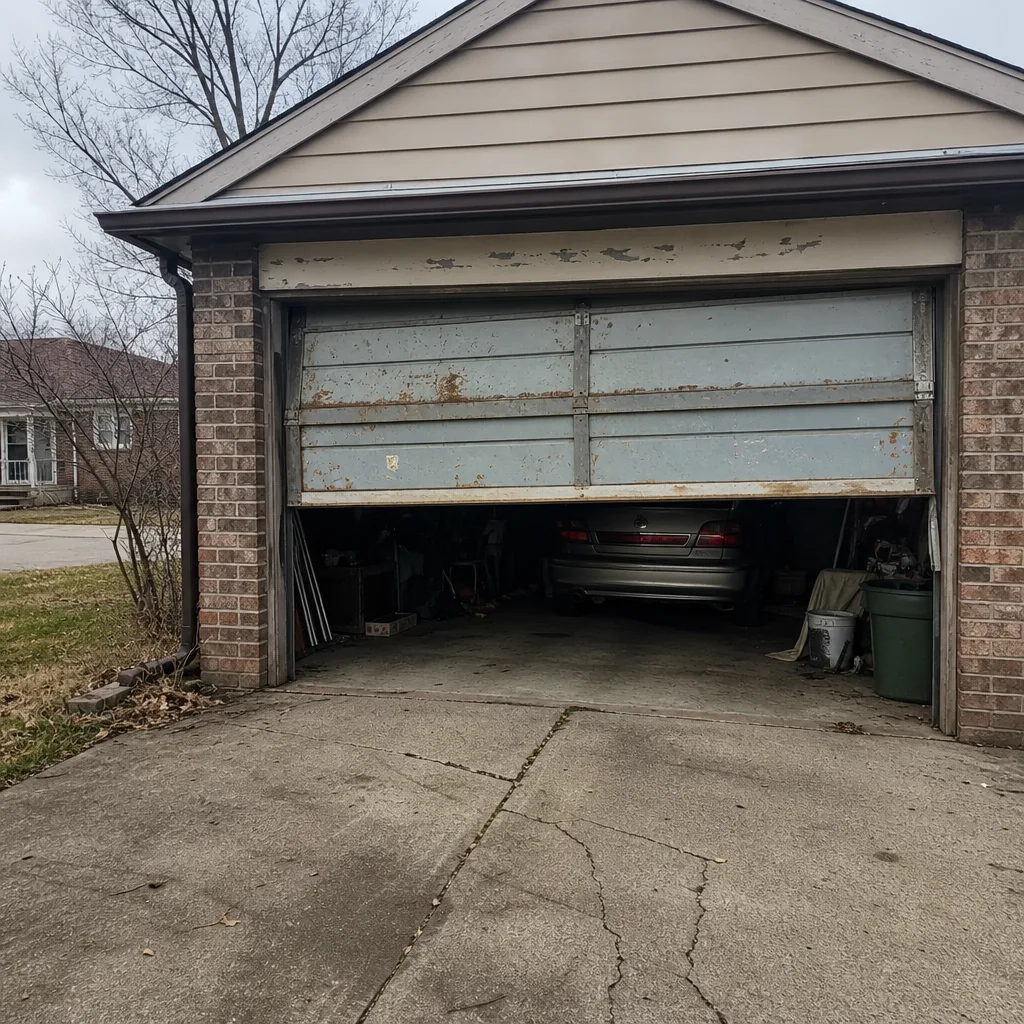 Before
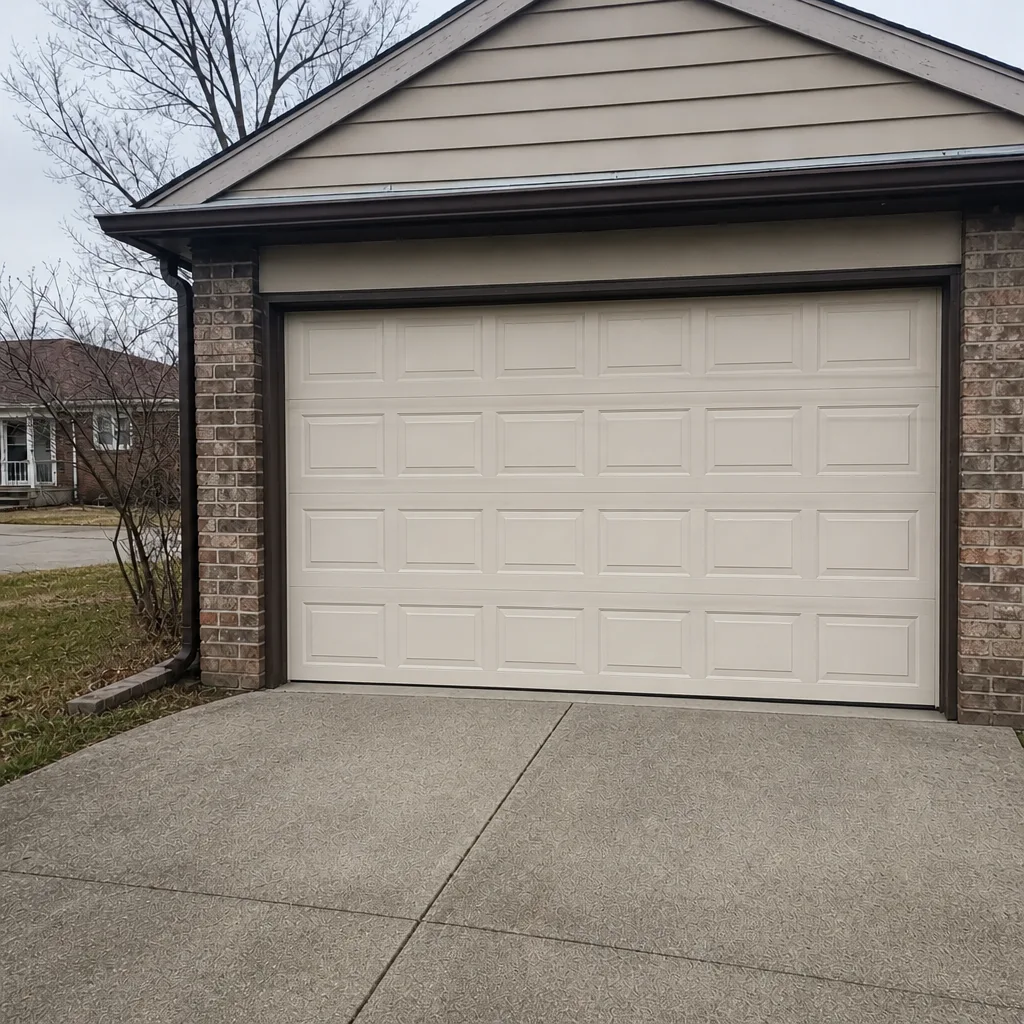 After
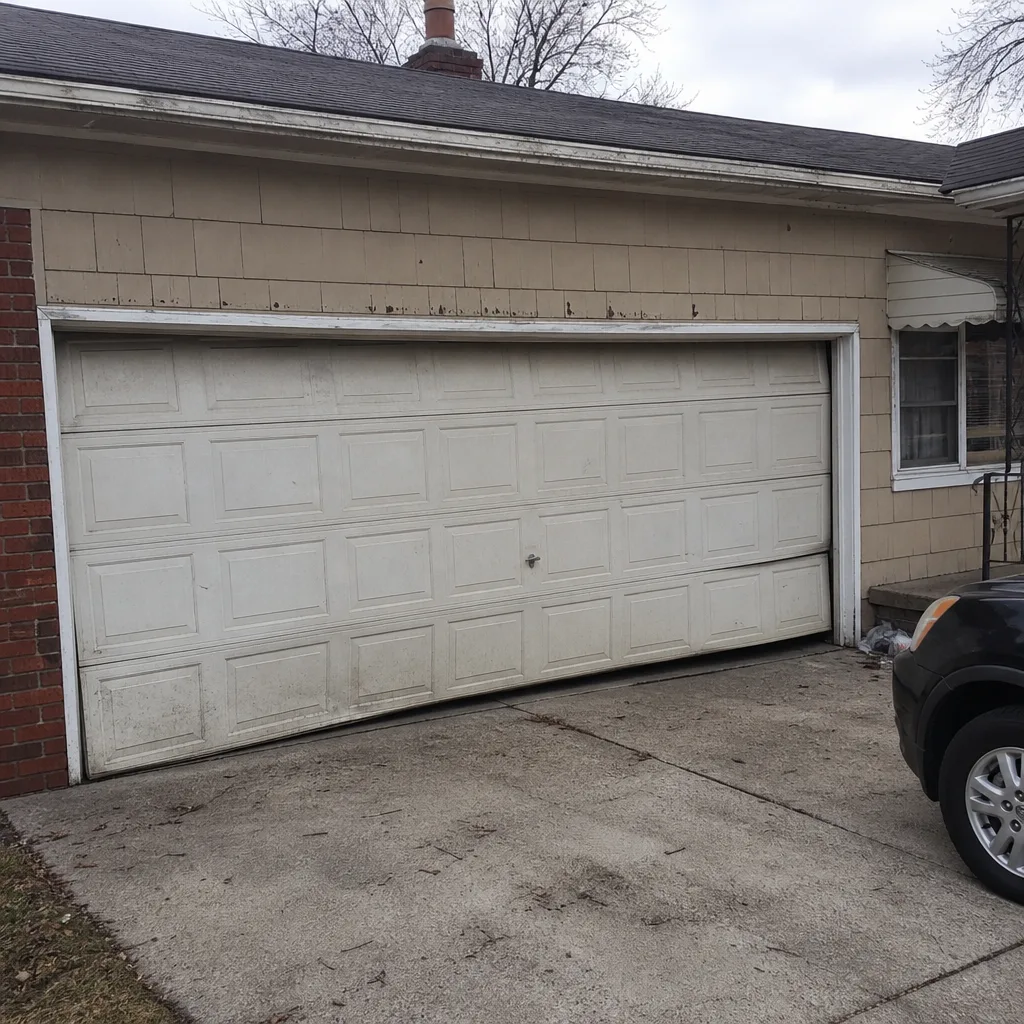 Before
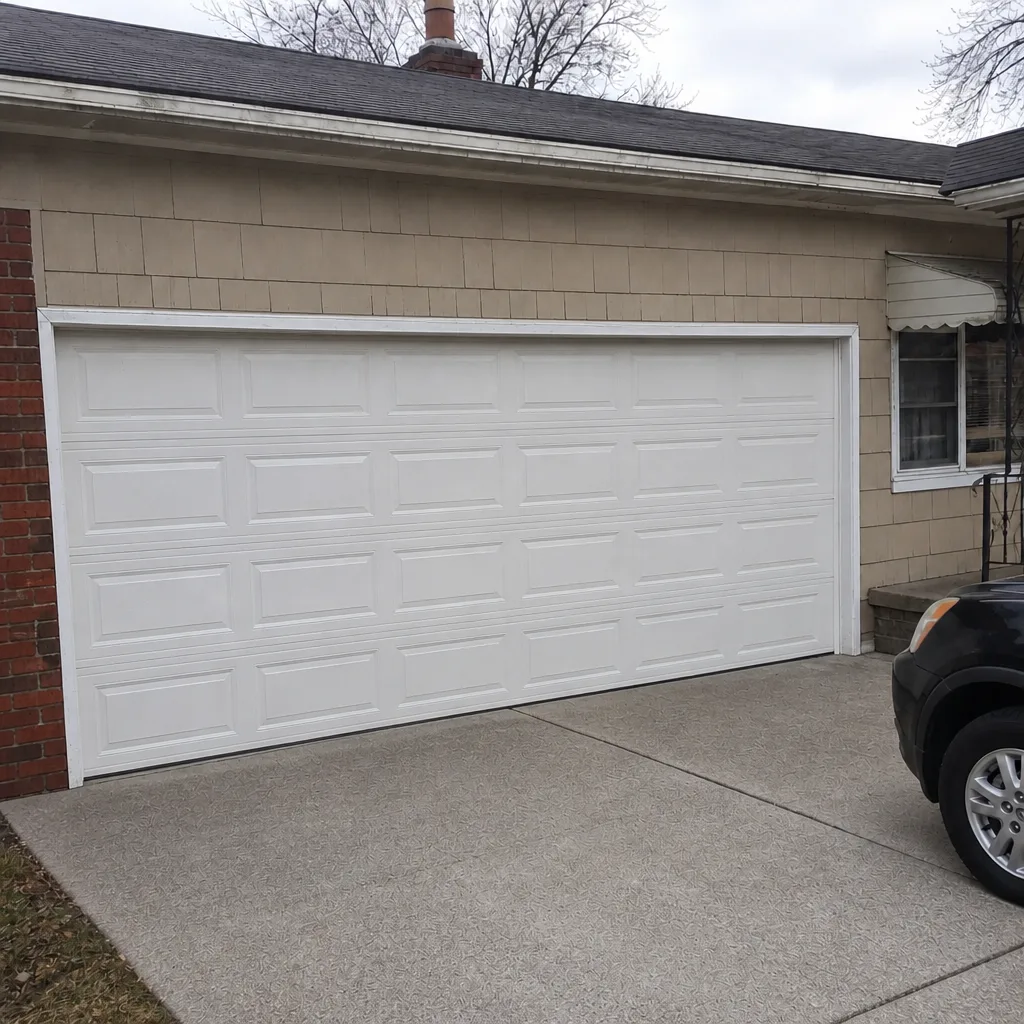 After
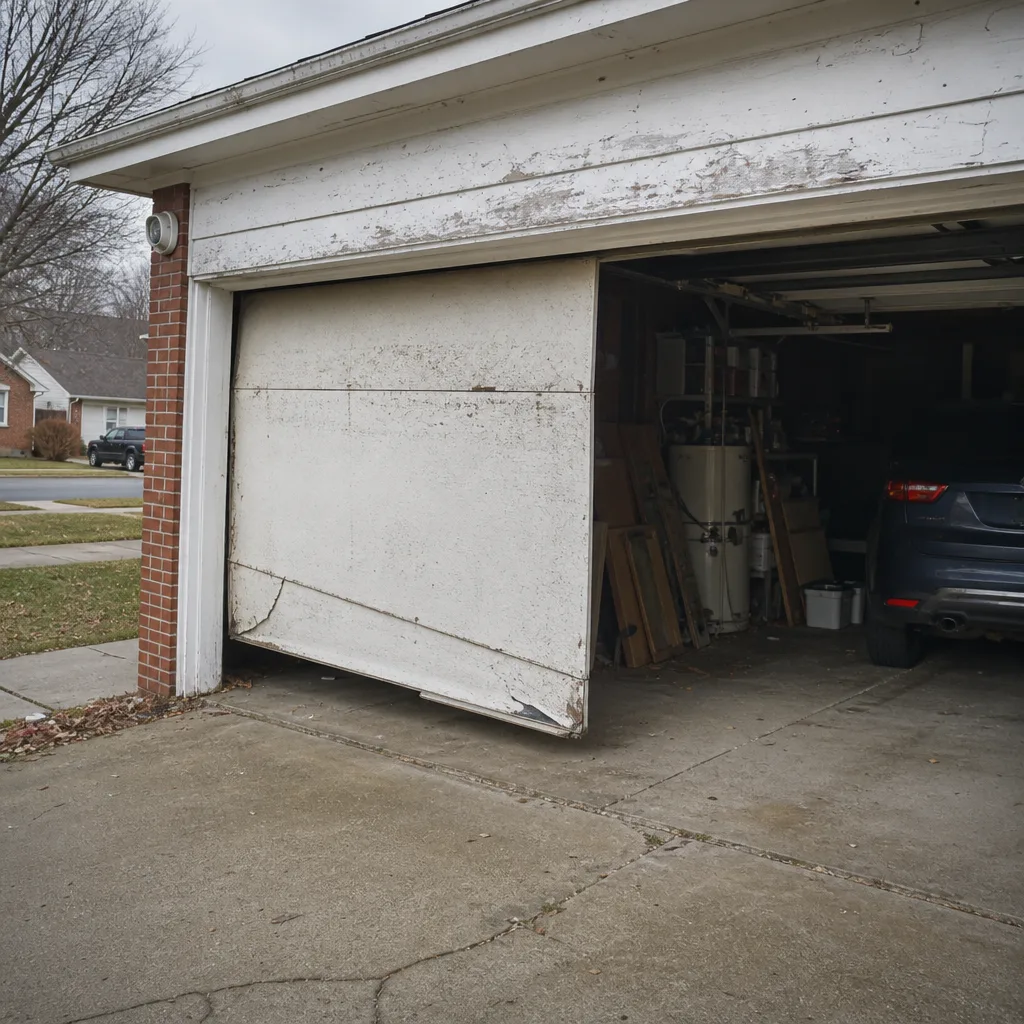 Before
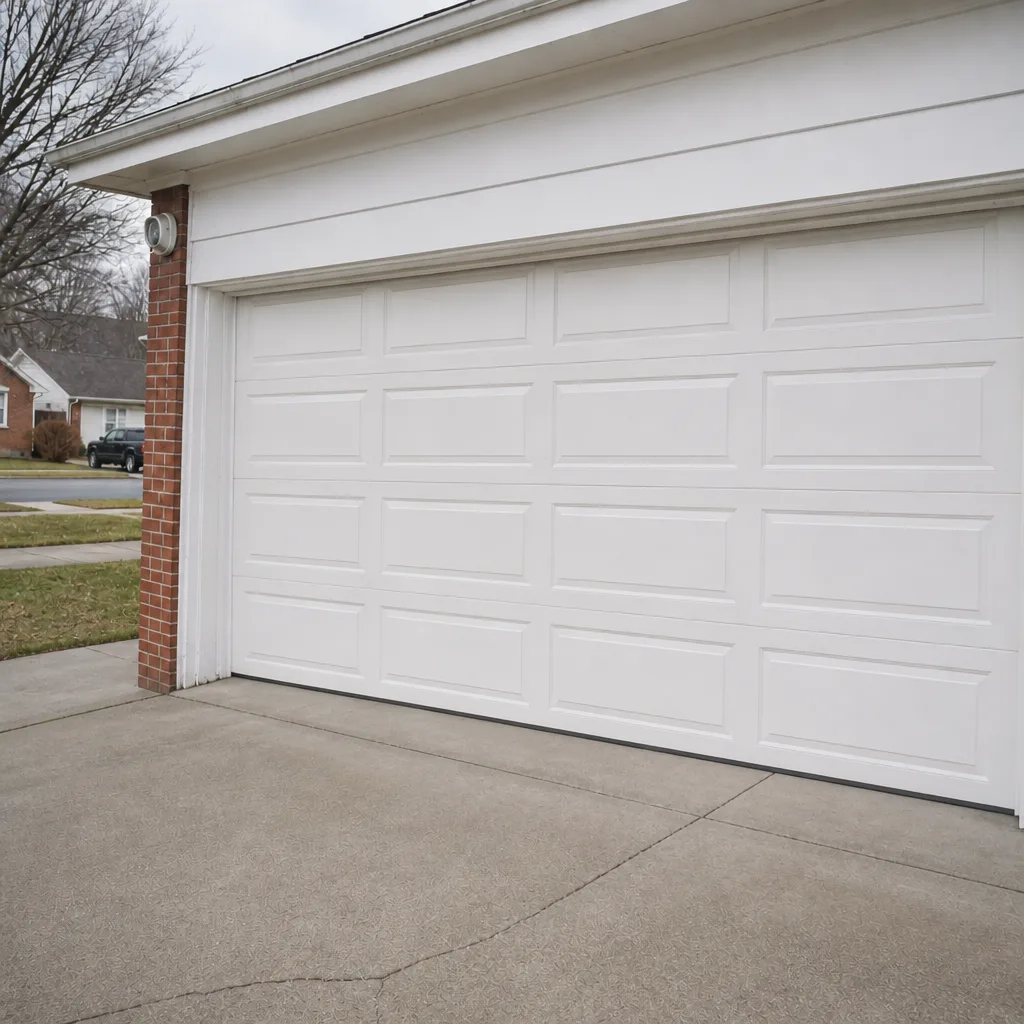 After
When to Call a Professional
Call a technician when the door won’t move smoothly by hand, when a spring or cable shows wear or breaks, when the door comes off its track, or when the opener refuses to run. Also call if the door is out of balance after you disconnect it, or if you’re planning a replacement and want an accurate measure. Springs, cables, and torsion hardware are the parts that warrant a trained professional, and we’d rather you call than risk it. Warren Garage Door Service offers free estimates in Warren. Call (866) 942-9754 for a free estimate. The written price is set before any work starts, so there are no surprises on the invoice.
Frequently Asked Questions
Repair pricing depends on the part and the condition of the door, so the written estimate is the number that counts, not a national average. A binding door, a worn bottom seal, and an opener issue are three very different jobs. Call (866) 942-9754 for an exact quote, and the estimate is free.
Replacement work generally requires a permit from the city, while routine repairs usually don’t. The specific answer depends on your project, so confirm it with Warren’s building department before work starts. Call (866) 942-9754 and we’ll walk through what your job needs.
Many repairs can be handled the same day. We answer 24/7, with fast dispatch from 7am to 7pm, Sunday through Friday. Call (866) 942-9754 and we’ll get you on the schedule.
Yes. Wayne Dalton, Craftsman, LiftMaster, Chamberlain, Genie, Clopay, Amarr, and Raynor are all brands we work on, and older-brand systems are a routine part of the job. Call (866) 942-9754 and we’ll set up a free estimate.
No, the price is set by the written estimate before any work starts. If a technician finds something else once the door is open, that gets quoted and agreed before anything proceeds. Call (866) 942-9754 for a free estimate.
Don’t force it. A door that’s fighting you may have a frozen bottom seal, a binding track, or a tired spring, and forcing it can damage the opener or the panels. Call (866) 942-9754. We answer 24/7, and a call outside dispatch hours is booked into the next opening, Sunday through Friday, 7am to 7pm.
The Bottom Line
Warren’s climate and its mid-century housing stock are what make garage door work here different from the national guides. Freeze-thaw cycles wear seals, springs, and tracks in ways drier climates don’t. Older tract homes have header clearance and framing that limit what fits, so measurement comes before purchase. Replacement usually needs a permit from the city; repair usually doesn’t. A fair quote is itemized, free to get, and based on your actual opening, not a national average. And whatever the job, repair-first thinking saves money when the door structure is sound. Whatever brand is on your door, we work on the one you have.
Call (866) 942-9754 for a free estimate. We answer 24/7. Fast dispatch from 7am to 7pm, Sunday through Friday, and the price is quoted and agreed before any work starts.
Written by the team at Warren Garage Door Service.